
What Is Wig Density?
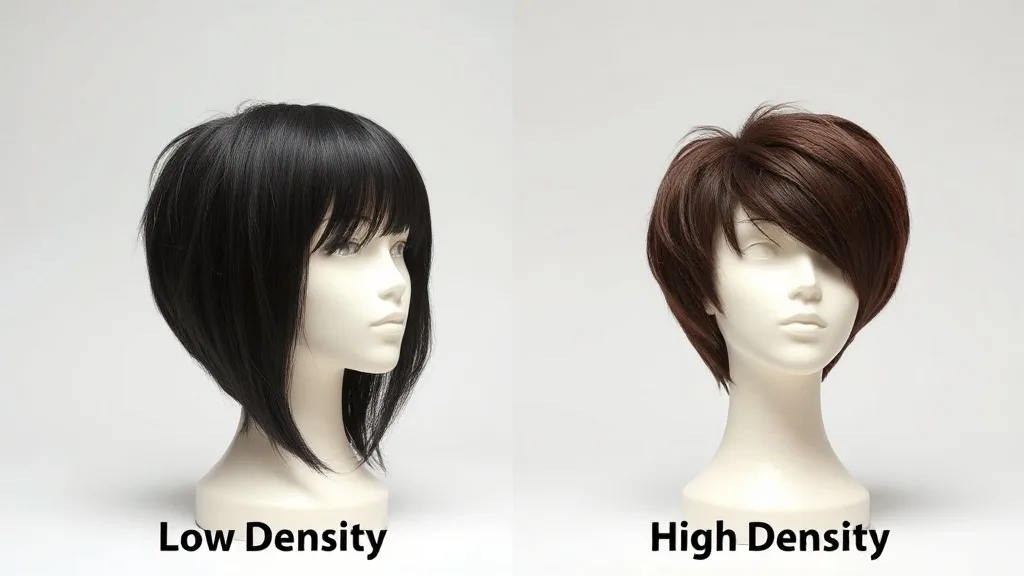
Wig density refers to the amount of hair on the wig cap. It’s usually expressed as a percentage, with 100% being a natural average density. Densities range from as low as 50% (very light, see-through) to as high as 200% or more (very thick, voluminous). The density you choose dramatically affects the wig’s look, feel, weight, and—you guessed it—price.
How Density Is Measured
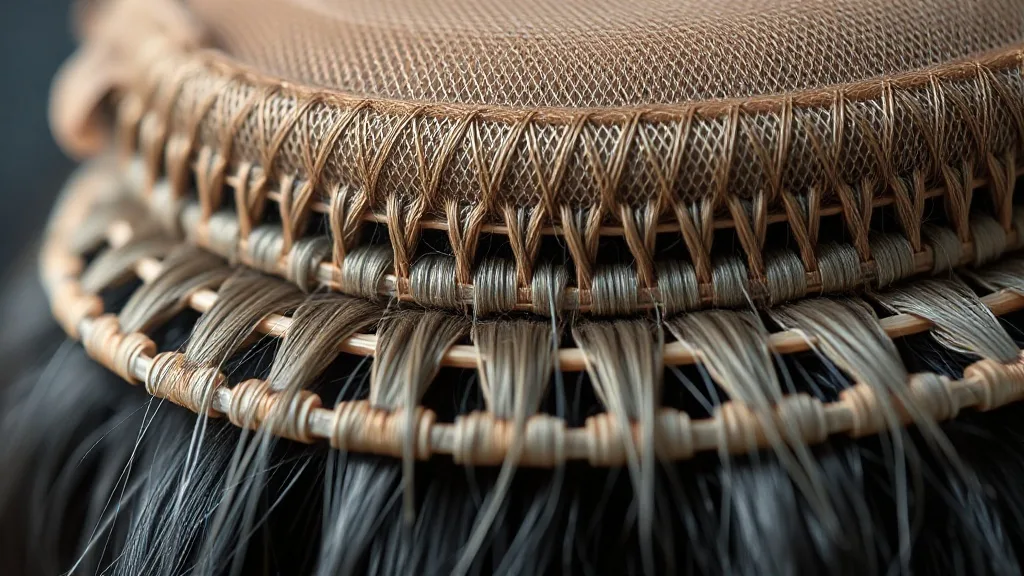
Manufacturers determine density by the number of hair strands per square inch of cap. Common densities include:
- 50% – Very light, often used for medical wigs or hot climates.
- 100% – Natural average, mimics typical human hair fullness.
- 130% – Slightly fuller, gives a bit more volume.
- 150% – Full and lush, popular for glamorous styles.
- 180% – Very thick, often needs thinning for a natural look.
- 200% – Ultra-thick, heavy and dramatic.
Why Higher Density Costs More
Higher density wigs require significantly more hair. For human hair wigs, the raw material cost is a major factor. More hair means higher procurement cost. For synthetic wigs, more fibers increase manufacturing expense. Additionally, higher density wigs take longer to hand-tie or machine-weft, increasing labor costs. The heavier weight also demands stronger cap construction, adding to production costs. All these factors drive up the retail price.
Is More Density Always Better?
Not necessarily. A very high-density wig can look unnatural if the hair is too thick, especially around the hairline. It can also be heavy and hot to wear. For daily wear, 100–130% density offers the most natural look and comfort. Higher densities (150%+) are often used for styling (e.g., braids, updos) or for those who desire extra volume. The best density depends on your face shape, lifestyle, and personal style.
Density vs. Other Pricing Factors
While density matters, it’s not the only cost driver. Hair quality (Remy vs. non-Remy), cap construction (lace front vs. full lace vs. wefted), hair origin, and brand all influence price. A 150% density wig with non-Remy hair and basic wefted cap may cost less than a 100% density wig with premium Remy hair and a lace front. Always consider the overall package.
Finding the Right Density for Your Budget
Start by assessing your needs. If you want a natural everyday look, 100–120% is ideal and often mid-priced. For special occasions or dramatic styles, 150% offers a good balance between volume and cost. If budget is tight, consider a lower density (80–100%)—it can be styled with volumizing products or layered to add fullness. Remember, you can always add hair extensions to increase volume, but it’s harder to reduce density without altering the wig.
Care Tips for Different Densities
Higher density wigs need more conditioning and detangling because the hair is denser and prone to tangling. Use a wide-tooth comb and start from the ends. Lower density wigs are lighter and easier to manage but may show the cap more easily if tied back. Regardless, gentle handling extends your wig’s life.
Final Thoughts
Understanding wig density empowers you to make smarter purchasing decisions. Don’t just buy the highest density assuming it’s better. Consider your comfort, budget, and the look you want. A well-chosen density will save you money and ensure you love your wig every time you wear it. As always, if you’re unsure, ask a specialist—we’re here to help you find your perfect match.