
The Anatomy of Wig Hair Texture
When I first started fitting wigs for Hollywood's elite, I quickly learned that the texture of the hair is everything. It's not just about length or density—the texture determines how the wig will move, style, and last. And yes, it directly impacts the price tag. In this guide, I'll break down exactly why texture matters and what you can expect to pay for different types.
Why Texture Dictates Cost
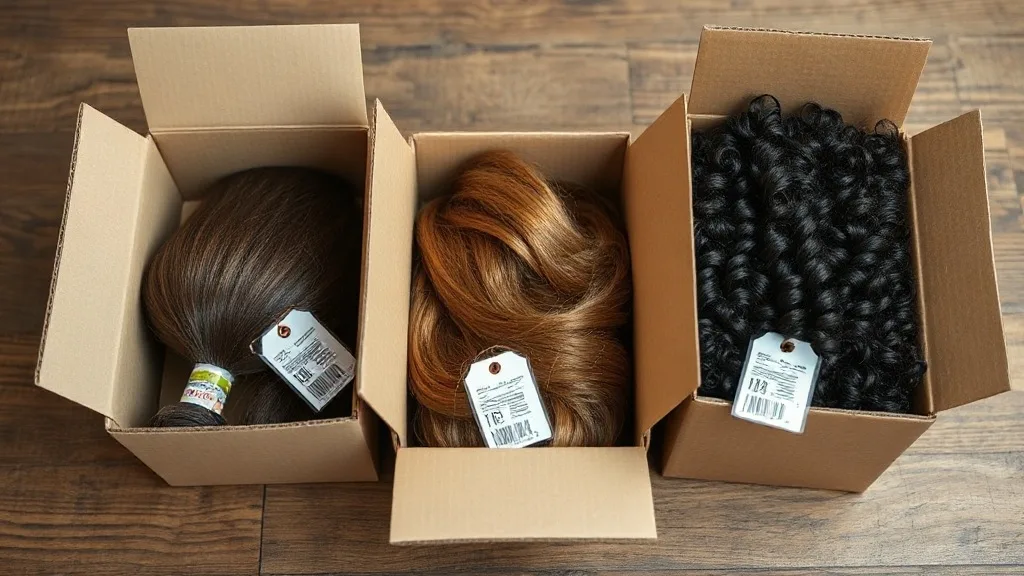
The hair texture affects the processing required, the yield from raw hair, and the overall manageability. Straight hair, for example, is often more expensive because it's rarer in virgin virgin hair and requires less processing. Curly and wavy textures may cost less initially because they're more common, but they need careful handling to maintain curl pattern.
Comparing Common Hair Textures
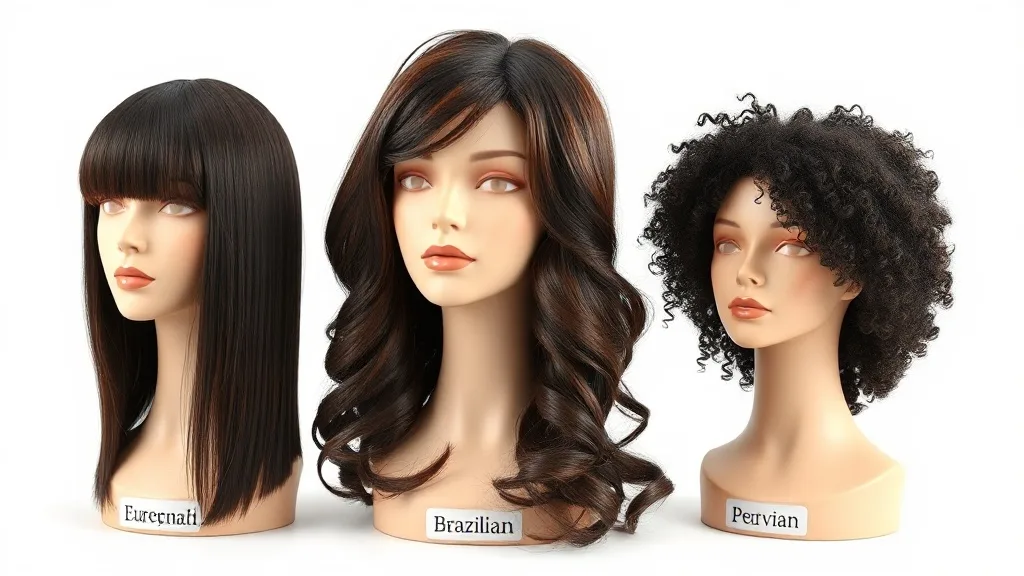
- Brazilian hair: thick, slightly wavy, affordable. Great for volume and durability.
- Peruvian hair: medium texture, naturally straight to wavy. Holds styles well, moderate price.
- Indian hair: fine, silky, straight. Very lightweight and blends with many ethnicities. Mid-range.
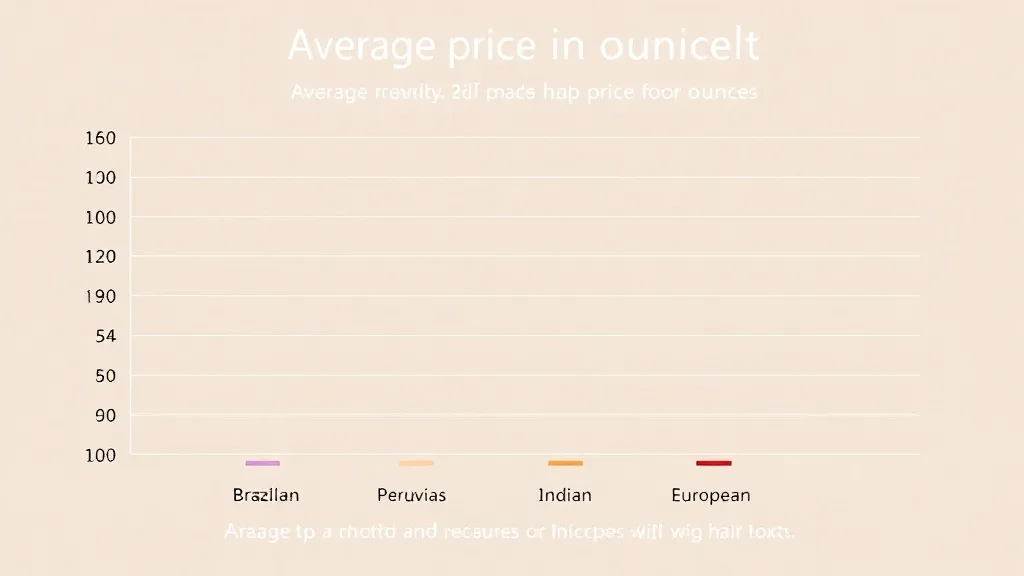
- European hair: ultra-fine, straight, rare. Highest price due to limited supply and softness.
How Curvature and Diameter Affect Price
Hair texture is classified by curl pattern (1-4) and strand diameter. Type 1 straight hair is the most expensive, especially from European donors, because it's hardest to find. Type 2 wavy and Type 3 curly are more abundant, but if the curls are uniform and well-formed, the price jumps. Type 4 kinky hair is typically cheaper because it's more common, but high-quality kinky hair (well-defined coils, no heat damage) can still fetch a premium.
Synthetic vs. Human Hair Textures
Synthetic wigs mimic human textures but at a fraction of the cost. However, they lack the natural movement and longevity. If you're on a tight budget, a high-grade synthetic can work, but for investment pieces, always go with virgin human hair in your desired texture. Remember: cheaper textures often lack the cuticle alignment required for tangle-free wear.
Final Thoughts from a Perfectionist
I've seen clients buy a budget wig only to return later frustrated. Don't let texture be an afterthought. Know your hair type, research the donor origin, and feel the hair before buying. The right texture will make your wig look natural and last longer—worth every penny.