
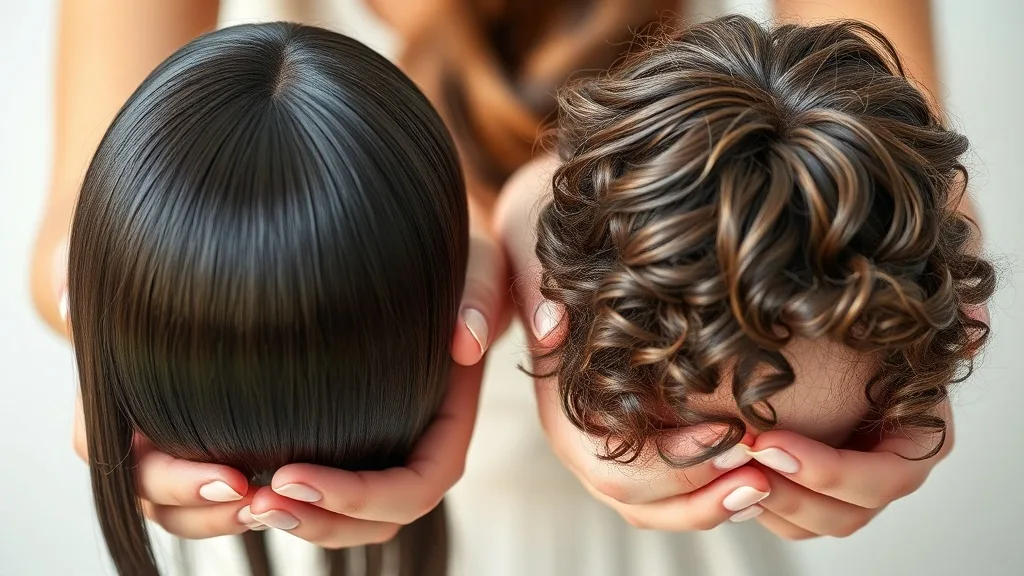

I’ll be honest: when I first got into wigs, I thought I was buying a lifelong bestie. You know, the kind that stays silky and perfect forever. But then, a few months in, my favorite human hair wig started feeling like a scarecrow’s leftovers. The texture changed. The shine dimmed. And my wallet started crying. What gives? If you’ve been there (and if you’re reading this, you probably have), you know the pain. But here’s the thing: wig texture change isn’t just random bad luck. It’s a whole economy of factors—sourcing, processing, maintenance, and yes, time. And understanding why it happens can save you money and heartache. So grab a cup of coffee (or wine, no judgment), and let’s dive into the messy, beautiful world of wig textures.
The Texture Timeline: Why Hair Changes
First things first: all hair changes over time. Your own hair does it—remember that perfect hair day in high school? Yeah, mine’s a distant memory too. But wigs, especially human hair ones, are even more vulnerable because they’re no longer attached to a living scalp. They don’t get natural oils, blood flow, or that mysterious voodoo that keeps our bio hair somewhat intact. So what happens? The cuticle, which is the outer layer of the hair shaft, starts to lift and get damaged. This is accelerated by washing, styling, heat, and even humidity. Over time, the hair loses its natural alignment, leading to frizz, dryness, and a rougher feel. And here’s the kicker: the initial texture you paid for might not last as long as you hoped. But why does that affect cost? Because higher quality hair (like Remy or virgin hair) has a more intact cuticle layer that resists change longer. Cheap hair? It’s like a paper towel in a rainstorm.
The Cost of Quality: How Sourcing Affects Texture
Let’s talk money. You can buy a wig for $50 or $500. But here’s the truth: the price often reflects the journey the hair took to get to you. Virgin hair, which is never chemically processed, is the gold standard. It comes from a single donor, cuticles aligned, and it can last for years with proper care. Non-virgin hair? It might be chemically stripped, dyed, or even blended with synthetic fibers. That processing damages the hair from the start, so it’s more prone to texture change. And then there’s the question of sourcing: ethical sourcing costs more but gives you hair that hasn’t been abused in factories. So when you spend big, you’re paying for a longer, beautiful lifespan. But even the best hair changes. It’s like a luxury car—still needs oil changes.
The Maintenance Marathon: Products and Practices
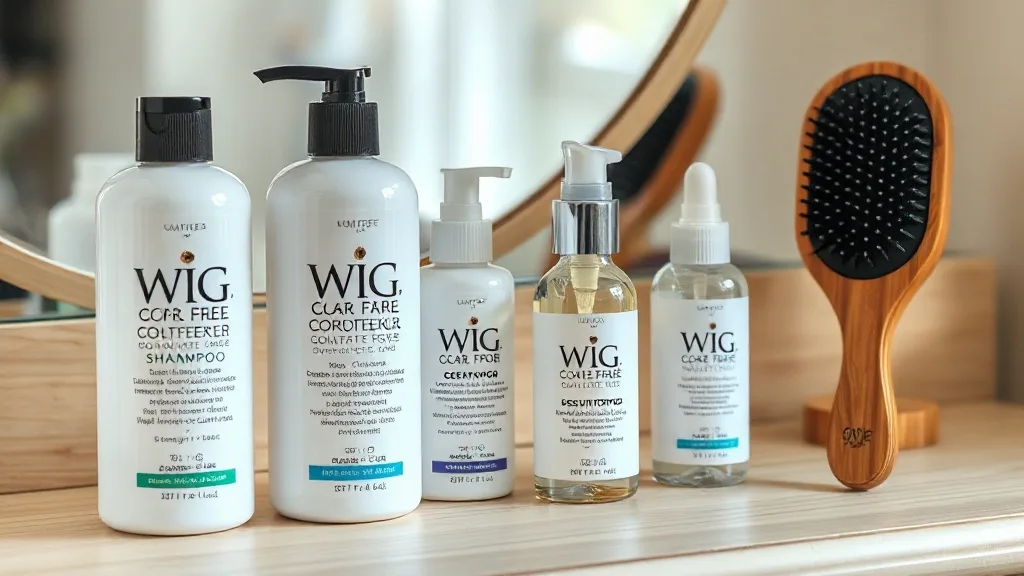
Alright, let’s get real about maintenance. I used to think a splash of shampoo and a quick blow-dry was enough. Wrong. Wigs need specialized care: sulfate-free shampoos, deep conditioners, leave-in treatments, and the right brushes. Heat styling? Oh boy, that’s a texture killer if you don’t use heat protectant. And over-washing is a thing—washing every day strips the hair of what little moisture it has. But here’s the irony: the products that keep your wig looking good cost money. A good wig care regimen can run you $50–100 per month. And if you skimp? Your wig texture turns into a Brillo pad faster than you can say “bad hair day.” So the cost of texture change isn’t just in the wig itself—it’s in the ongoing battle to keep it silky.
When to Replace vs. Restore
So your wig texture has changed. Now what? You can either restore it or replace it. Restoration involves deep conditioning, protein treatments, and maybe even a trip to a professional stylist. It can bring back some life, but it’s not magic. The cost of restoration is usually 20–40% of the wig’s original price. Replacement, on the other hand, is a whole new investment. But here’s my rule of thumb: if you’ve had the wig for less than a year and it’s high quality, try restoration. If it’s cheap or over two years old, it’s time to say goodbye. And yes, this hits the wallet. But think of it this way: would you rather spend $100 on restoration or $300 on a new wig? It’s a math game.
Budget-Friendly Texture Preservation Tips
You don’t have to be rich to keep your wig looking good. Here are some cheap (or free) tricks I’ve learned the hard way:
- Wash less: once every 7–10 wears is plenty.
- Use cold water: hot water is the enemy of cuticles.
- Air dry when possible: heat is a texture assassin.
- Sleep with a silk or satin bonnet: reduces friction.
- Store on a wig stand: prevents tangling and matting.
- Rotate between two wigs: gives each one a break.
These simple habits can extend your wig’s life by months. And that means fewer texture changes and more cash in your pocket.
So there you have it. Wig texture changes cost over time because of the natural lifecycle of hair, the quality you paid for, and the maintenance you (don’t) do. It’s a reality that every wig lover faces. But with the right knowledge—and a little humor—you can keep your wig looking fly without breaking the bank. Now go give your wig a hug (and maybe a deep conditioning treatment).