
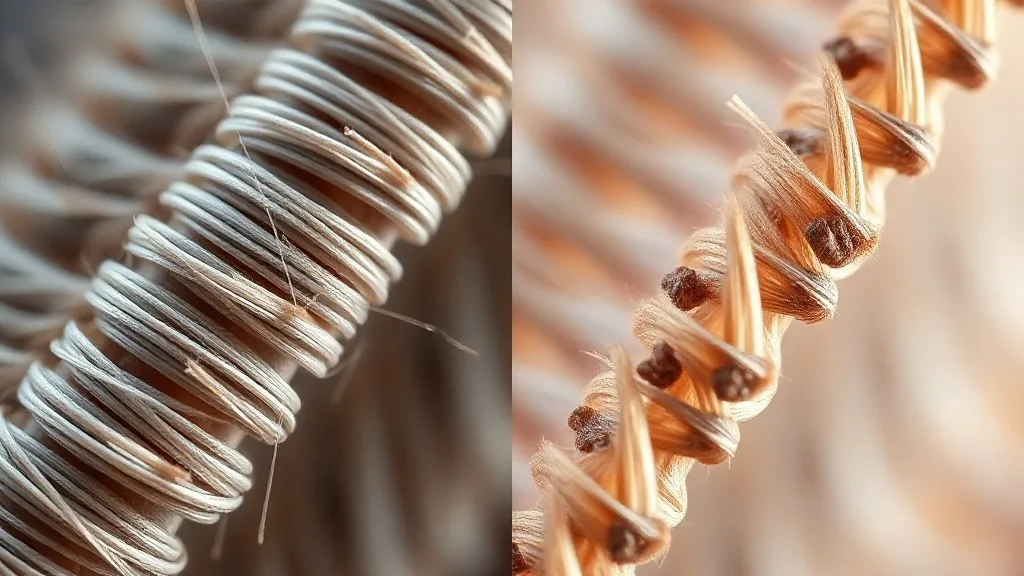


The Foundation of Wig Pricing
When you shop for a wig, price differences can be staggering. A basic synthetic wig might cost $30, while a high-end human hair piece can run into thousands. The single most important factor? The hair material itself. As someone who has restored vintage wigs for years, I’ve seen firsthand how material dictates not only cost but also longevity, styling versatility, and natural appearance.
Synthetic Hair: Affordable and Reliable
Synthetic wigs are made from fibers like acrylic, polyester, or PVC. They hold their style come rain or shine, making them low-maintenance and perfect for beginners. Prices typically range from $20 to $200. However, they can’t withstand heat styling unless labeled as “heat-friendly,” and they have a shorter lifespan—usually 4 to 6 months with daily wear.
Human Hair: The Gold Standard
Human hair wigs offer unparalleled realism and versatility. They can be washed, curled, straightened, and dyed just like your own hair. The price varies widely based on origin, cuticle alignment, and processing. Expect to pay anywhere from $200 to over $3,000. But what exactly are you paying for? It comes down to three key factors: cuticle integrity, hair origin, and processing methods.
Remy vs. Non-Remy: What’s the Difference?
Remy hair means all cuticles are kept intact and aligned in one direction, which prevents tangling and maintains a natural luster. Non-Remy hair has cuticles partially removed or misaligned, leading to matting and a shorter lifespan. Remy hair can cost 2–3 times more, but for a long-lasting natural look, it’s worth every penny.
Virgin vs. Processed Human Hair
Virgin hair has never been chemically processed—no dyes, perms, or bleaches. It retains its original strength and cuticle integrity. Processed hair has been altered to achieve certain colors or textures, which can weaken the strands. Virgin hair is the most expensive, often used for high-end wigs, while processed hair offers a more budget-friendly option with a slightly shorter life.
Blends: The Middle Ground
A blend of human and synthetic hair can offer a balance of cost and performance. These wigs combine the natural look of human hair with the memory and affordability of synthetics. They typically cost between $100 and $500. However, the blend ratio matters—more human hair means higher cost but better styling freedom.
How to Choose the Right Material for Your Budget
- If you’re on a tight budget or want a low-maintenance option, go for a high-quality synthetic wig.
- If you need a wig for everyday wear and plan to style it often, invest in a Remy human hair wig.
- For a special occasion or occasional use, a human-synthetic blend gives you flexibility without breaking the bank.
- Always check the label: look for “100% human hair,” “Remy,” or “virgin” if authenticity matters.
Remember, the cheapest wig isn’t always the best value. A well-made human hair wig can last years with proper care, while a cheap synthetic may need replacing every few months. In my restoration work, I’ve turned many “tired” wigs into treasures simply by understanding their material—and you can too.