
The Art of the Blend
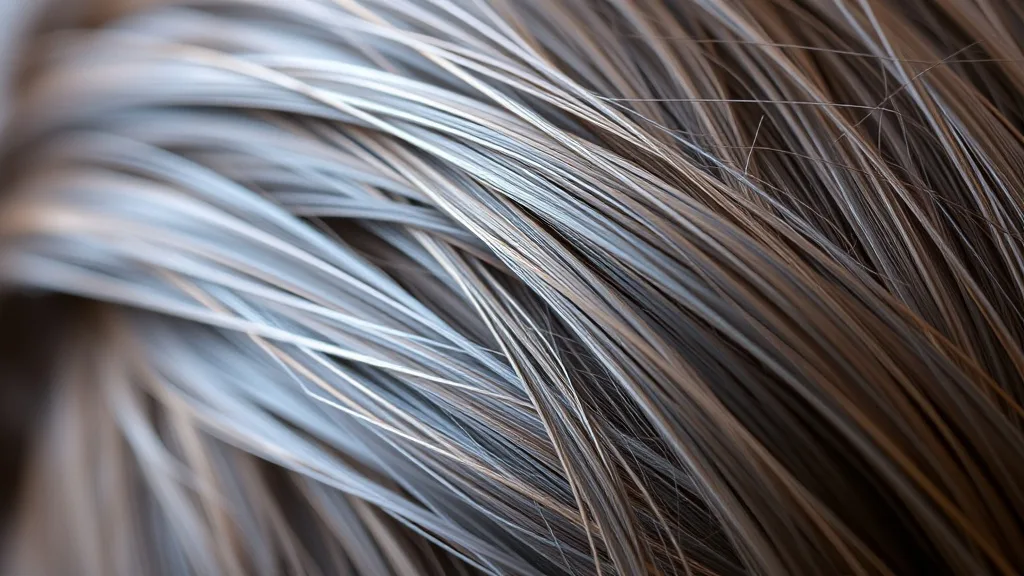
As a wig maker, I’ve seen countless clients puzzled by the wide range of wig prices. Two wigs can look nearly identical on the shelf, yet one costs three times as much. The secret often lies in the hair blend—the proportion of human hair to synthetic fibers. This mix isn’t just a matter of cost; it dictates how you wash, style, and even store your wig.
100% Human Hair: The Gold Standard
Wigs made entirely from human hair offer the most natural look and feel. They can be heat-styled, dyed, and cut just like your own hair. This versatility comes at a price—both in dollars and care. Human hair wigs require gentle, sulfate-free shampoos, regular conditioning, and patience. They’re an investment for those who want maximum realism and styling freedom.
Synthetic Wigs: Budget-Friendly and Low-Maintenance
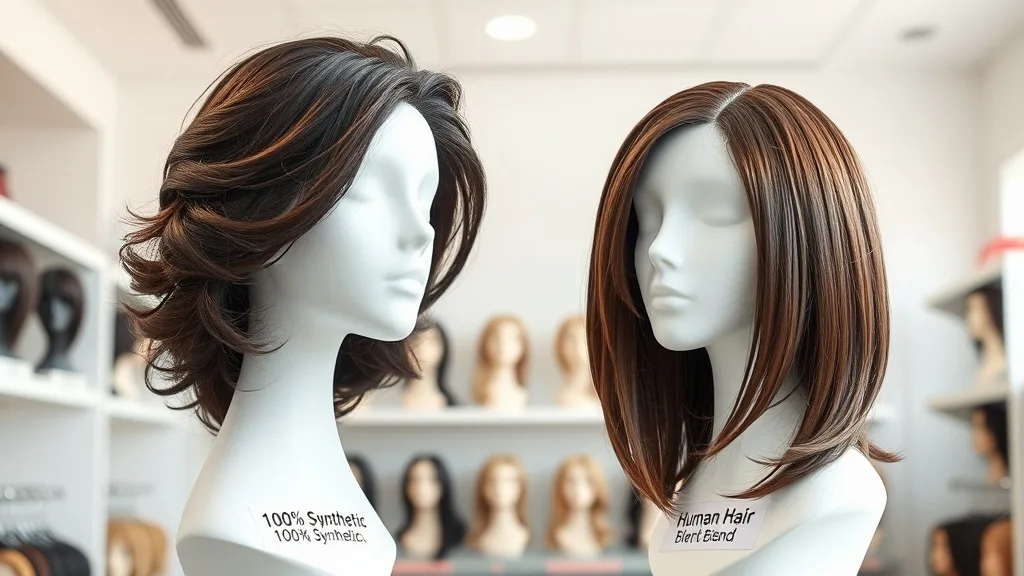
Synthetic fibers have come a long way. Modern synthetics mimic the luster and movement of natural hair, and they hold their style even after washing. That’s a huge time-saver: you can skip the curling iron and simply shake-and-go. However, synthetics can’t tolerate high heat, and they may develop a telltale shine under bright light. They’re perfect for someone who wants a reliable, low-effort look.
Blends: The Best of Both Worlds?
A blend—typically 70% human hair and 30% synthetic—aims to balance cost, durability, and styling ease. The human hair provides natural movement and versatility, while the synthetic fibers add memory (the ability to snap back to its original style after washing). Blends are often more affordable than full human hair but pricier than synthetics. Care becomes a middle ground: use lukewarm water and mild products, but avoid excessive heat.
Why Price Varies by Blend
Raw materials drive cost. Human hair is sourced from donors, then sorted by quality (Remy vs. non-Remy), color, and length. Synthetic fibers are manufactured, which keeps costs lower. The percentage of human hair in a blend directly correlates with the price tag. Additionally, wigs with a higher human hair content require more skilled hand-tying, which adds labor cost.
- 100% human hair: $500–$3,000+
- Blend (70/30): $200–$800
- 100% synthetic: $30–$200
Care Routines: One Size Doesn't Fit All
Each blend demands a unique care ritual. Human hair wigs need a deep-conditioning treatment every two weeks, air-drying on a stand, and a low-heat setting if you use hot tools. Synthetic wigs should be washed with cool water and a specialized synthetic shampoo, then laid flat to dry—never blow-dry. For blends, use gentle, paraben-free products and avoid temperatures above 300°F. Remember: proper care extends the life of any wig, regardless of blend.
How to Choose Your Blend
Consider your lifestyle, budget, and desired look. If you’re a busy professional who wants a set-it-and-forget-it style, a synthetic or high-synthetic blend is ideal. If you love changing your part, color, or curl pattern, invest in human hair or a blend with at least 50% human hair. For special occasions, a full human hair wig offers unmatched elegance.
Final Thoughts from a Wig Maker
I’ve spent years perfecting the art of blending hairs strand by strand. The right blend can transform how you feel—confident, beautiful, effortless. Don’t just look at the price tag; consider the care you’re willing to give. Whether you choose pure human hair, modern synthetics, or a thoughtful blend, understanding the mix behind the wig will help you make a choice that lasts.