
Introduction: My Love Affair with Budget Wigs
I've always believed that every wig deserves a second chance. Over the years, I've restored countless vintage hairpieces, and I've learned that you don't need to spend a fortune to find a wig that makes you feel beautiful. Whether you're new to wigs or a seasoned wearer, finding a budget-friendly option that matches your natural hair can feel like a treasure hunt. But with a little patience and know-how, you can uncover gems that look like they cost ten times as much. In this guide, I'll share my thrifty, meticulous approach to finding budget wigs that blend seamlessly with your own hair.
1. Know Your Hair Details
The first step is to get to know your own hair intimately. Grab a notebook and jot down your hair's exact color, texture, and density. I like to examine my hair in natural light, holding a strand against different backgrounds. Notice the subtle highlights and lowlights – many budget wigs come in single colors, but a little variation can make a wig look more natural.
- Color: Identify your base shade and any highlights. Use a hair color chart or app to find your number (e.g., 4 for medium brown).
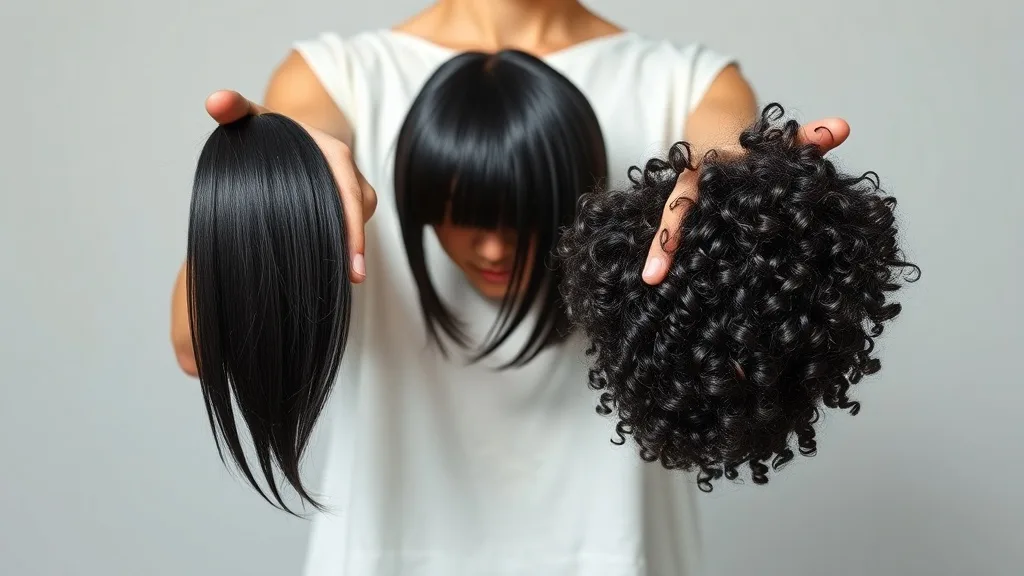
- Texture: Is your hair straight, wavy, curly, or coily? Match the wig's curl pattern to your own for a seamless blend.
- Density: Thin, medium, or thick? Wigs with less density can look more realistic if you have fine hair.
2. Set a Realistic Budget – and Stick to It
Budget doesn't mean cheap – it means smart spending. I usually set a cap of $50 to $100 for a synthetic wig, and up to $150 for a human hair blend. With a little hunting, you can find high-quality wigs at these prices. Keep an eye out for sales, clearance items, and secondhand options. Thrift stores and online marketplaces are goldmines for vintage wigs that just need a little TLC.
3. Master the Art of Color Matching
Color is the most critical factor. Many budget wigs come in a limited palette, but you can still find a close match. Look for wigs labeled with your hair's dominant shade. If you can't find an exact match, go a shade lighter – it's easier to darken a wig with fabric dye than to lighten it. For a natural look, consider a wig with rooted or highlighted colors, which add depth and mimic real hair.
Pro tip: Take a selfie in natural light and use a color picker tool to find your exact tone. Then compare that to online swatches. Many retailers offer color rings or sample cards for a few dollars – invest in one to avoid mismatches.
4. Study Cap Construction
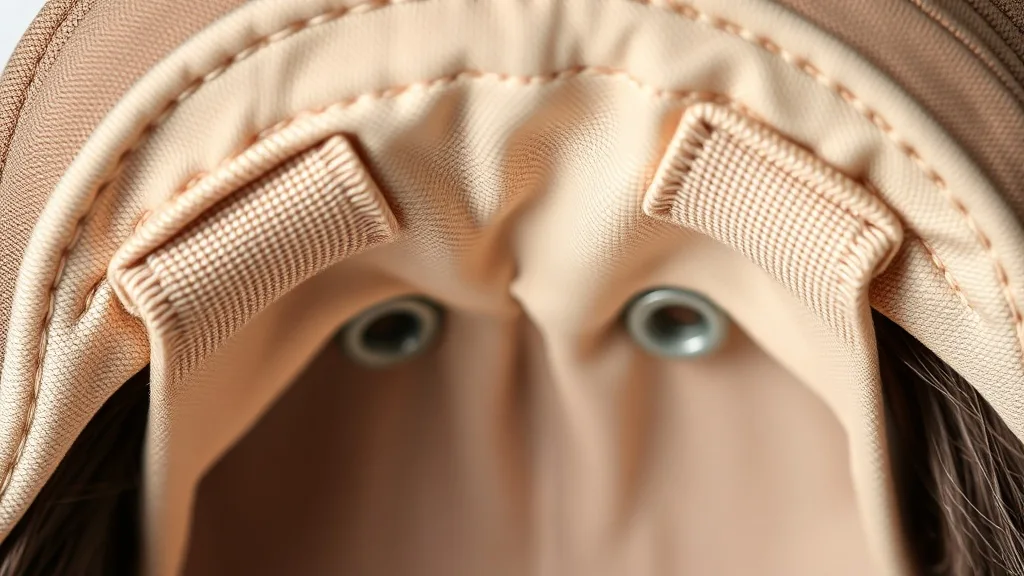
A well-constructed cap can make or break a budget wig. I always look for wigs with adjustable straps and combs – these allow a secure fit. A lace front or a monofilament top gives the most natural hairline, but even a basic cap can look great if you style it right. If you find a wig with a stiff, bulky cap, you can often remove some wefts or thin the lace to improve comfort and realism.
- Lace front: Creates a natural hairline. Even a small lace front (like 4x4 inches) can make a difference.
- Monofilament top: Lets you part the hair in any direction. Great for versatility.
- Wefted caps: More affordable, but may require a bit of customization to look natural.
5. Texture and Length: Blend or Contrast?
When matching your hair, you have two options: blend or contrast. Blending means choosing a wig with the same texture and a similar length – this works best if you want to wear your natural hair underneath or have a seamless look. Contrasting can be fun, like adding curly bangs to straight hair, but it requires more styling confidence. For a natural look, I recommend matching the texture at the hairline and using your own hair as a frame.
6. Don't Overlook Vintage and Secondhand Wigs
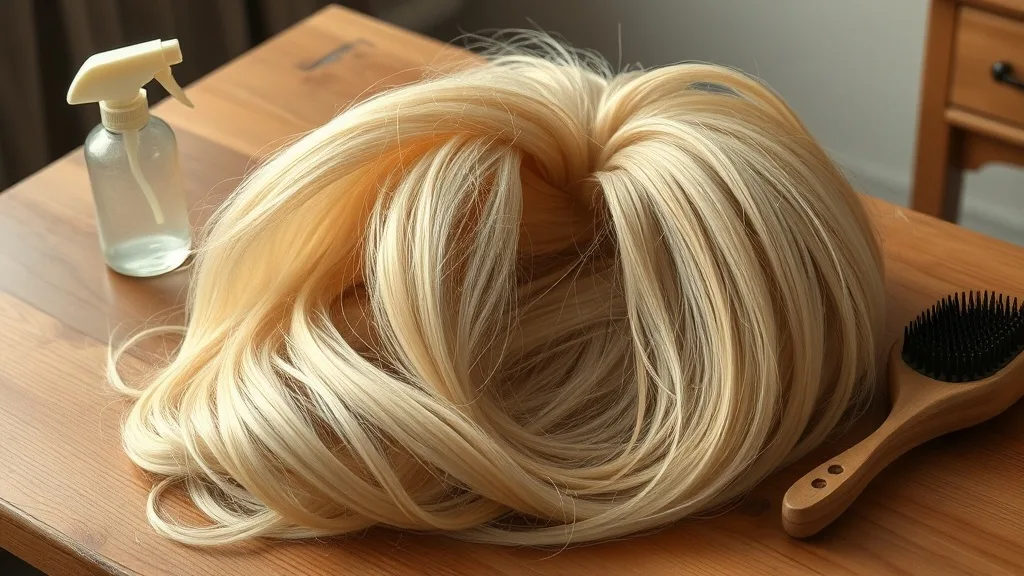
This is where my sentimental side shines. Vintage wigs are often made with higher-quality fibers and craftsmanship than modern budget options. I've restored many a dusty wig with a gentle wash, a detangling spray, and a new setting. Check estate sales, thrift shops, and online secondhand stores. Look for wigs that are structurally sound – the cap should be intact, and the hair should not be overly matted. With time and patience, you can bring them back to life.
7. Customize Your Find
Once you've found a budget wig, make it your own. Trim the lace, thin out the hairline, and add baby hairs for realism. You can also dye synthetic wigs with specially formulated fabric dyes, or add lowlights with a Sharpie (yes, it works!). A little customization goes a long way in making a wig look expensive. I always keep a small sewing kit handy to adjust the cap size or replace combs.
8. Test Before You Commit
If possible, try the wig on before buying. Many online retailers have generous return policies. When you first get a wig, wear it for a few hours around the house. Check how it feels, how the color looks in different lighting, and whether the cap stays put. If something feels off, don't be afraid to return it. The perfect budget wig is out there – you just need to be patient.
Final Thoughts: Treasure Every Find
Finding a budget wig that matches your hair is a journey, but it's one filled with delightful surprises. I've found some of my favorite wigs at flea markets and online clearance bins, each with its own story. Remember, a wig is not just an accessory – it's a tool for self-expression. With these thrifty, meticulous steps, you can build a collection that reflects your unique style without draining your wallet. Happy hunting!