

The Short Answer: Yes, But It's Not the Whole Story
When customers ask me, “Does wig hair strand thickness affect price?” I always smile and say, “Absolutely—but it’s just one piece of the puzzle.” After selling wigs to everyone from nuns to rock stars, I’ve learned that thickness is a huge factor in pricing, but it’s far from the only one. Let me break it down for you.
What Is Hair Strand Thickness?
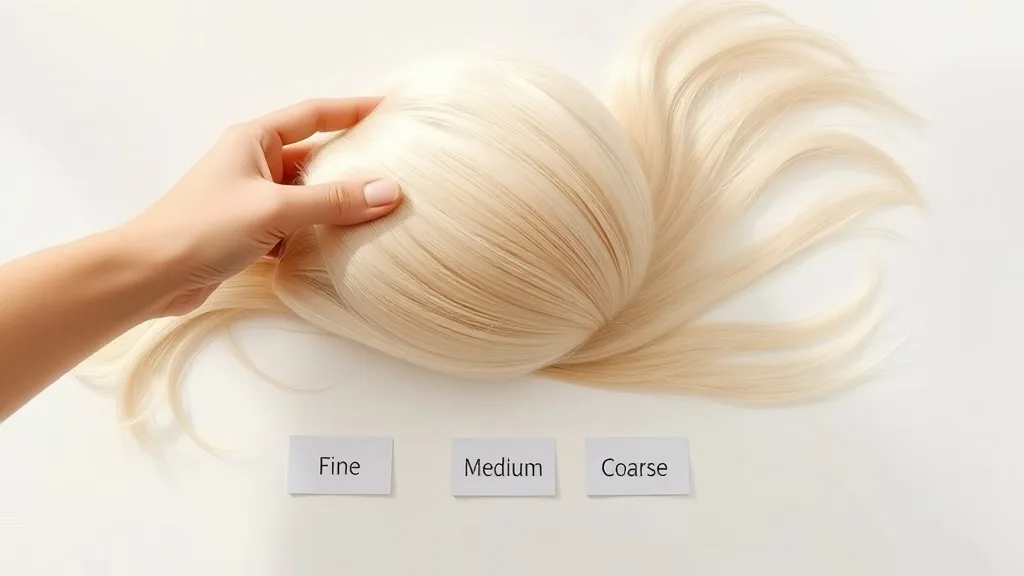
Hair strand thickness—also known as hair diameter—is measured in microns. Fine hair typically falls around 50–70 microns, medium is 70–90 microns, and coarse hair can be 90–120 microns or more. In wigs, thickness directly affects how the hair feels, moves, and lasts. Thicker strands feel stronger and more voluminous, while finer strands are softer and more natural-looking, but may wear out faster.
How Thickness Drives Price
Generally, the thicker the hair strand, the higher the price. Here’s why:
- Yields per donor: Thicker hair usually comes from younger, healthier donors. A single donor with thick hair can produce fewer wigs because more hair is needed to create a full head of hair, driving up cost per wig.
- Processing and handling: Thick hair is more durable during chemical processing (dyeing, perming) and shedding is less likely, so manufacturers can charge a premium for longevity.
- Perception of quality: Many buyers associate thick hair with high quality and natural volume, so brands like Wigplace price thicker wigs higher to match market expectations.
- Maintenance and longevity: Thicker strands resist breakage, withstand heat styling, and hold style longer. This means a thicker wig can last months longer than a fine one, justifying a higher upfront investment.
But Thickness Isn't Everything
I’ve sold exquisite fine-hair wigs that cost more than some coarse ones. Why? Because the fineness was matched with perfect cuticle alignment, premium lace, and hand-tying. Thickness interacts with other factors:
- Hair origin: European hair tends to be finer and more expensive per strand than Asian hair, which is naturally thicker. A fine European hair wig can be pricier than a coarse Asian hair wig.
- Construction: Hand-tied caps vs. machine-wefted—hand-tied takes skill and time, often adding more to the price than thickness alone.
- Density: You can have thick strands but low density—meaning fewer strands per square inch. That affects volume but not necessarily price.
- Quality of cuticles: Cuticle-aligned hair (cuticles going the same direction) reduces tangling and adds cost, regardless of thickness.
Budget-Friendly Tips from a Seasoned Salesman
At Wigplace, we believe everyone deserves a great wig without breaking the bank. Here’s how to navigate thickness when you’re on a budget:
- Go for medium thickness (70–90 microns). It strikes a balance between durability, natural look, and affordability.
- Consider blended hair wigs. A mix of fine and thick hair can give you volume and softness at a lower price point than all-thick wigs.
- Don’t overlook synthetic options. Modern synthetics mimic natural thickness variations and cost a fraction of human hair.
- Check reviews and ask about shedding. Thicker strands are less likely to shed, but a well-constructed fine wig can be just as durable.
Final Thoughts
So yes, wig hair strand thickness affects price—but it’s not a simple rule. Thicker generally means more expensive, but construction, origin, and quality can flip that equation. The best wig for you is the one that fits your needs, lifestyle, and budget. Next time you’re browsing Wigplace, remember: thickness is just one strand in the whole beautiful tapestry of your wig choice.
Still have questions? Reach out to our team—we’ve helped nuns and rock stars find their perfect match, and we’d love to help you too.