


The Short Answer: Yes, But It’s Complicated
If you’ve ever shopped for wigs, you’ve noticed the price jump when you go from a 12-inch bob to a 24-inch mermaid mane. But is it really just the extra inches? Well, yes—and no. Let me take you on a journey from the wig factory to your head, and explain why that long hair carries a heftier price tag.
The Raw Material: Not All Hair Is Created Equal
Most human hair wigs are made from donated hair, typically sourced from temples in India or Southeast Asia. Donors often have long hair—sometimes 18 inches or more—but the highest-quality hair comes from single donors with healthy, unprocessed strands. For a 20-inch wig, you need hair that’s at least 20 inches long. That drastically limits the supply. Very long hair (over 20 inches) is rare because most donors cut their hair before it gets that long. Scarcity drives up the price for the raw material itself.
Processing: More Length, More Work
Once the hair is collected, it must be sorted, cleaned, de-hygienized, and aligned. Longer hair is more prone to tangling and requires extra care during processing. Additionally, the hair cuticles must be aligned in the same direction to prevent matting—this is easier with shorter hair. For long wigs, manufacturers have to be far more meticulous, adding labor costs.
- Sorting by length adds time and labor
- Longer hair requires more thorough cleaning
- Cuticle alignment is trickier on long strands
Construction: More Hair Means More Weft
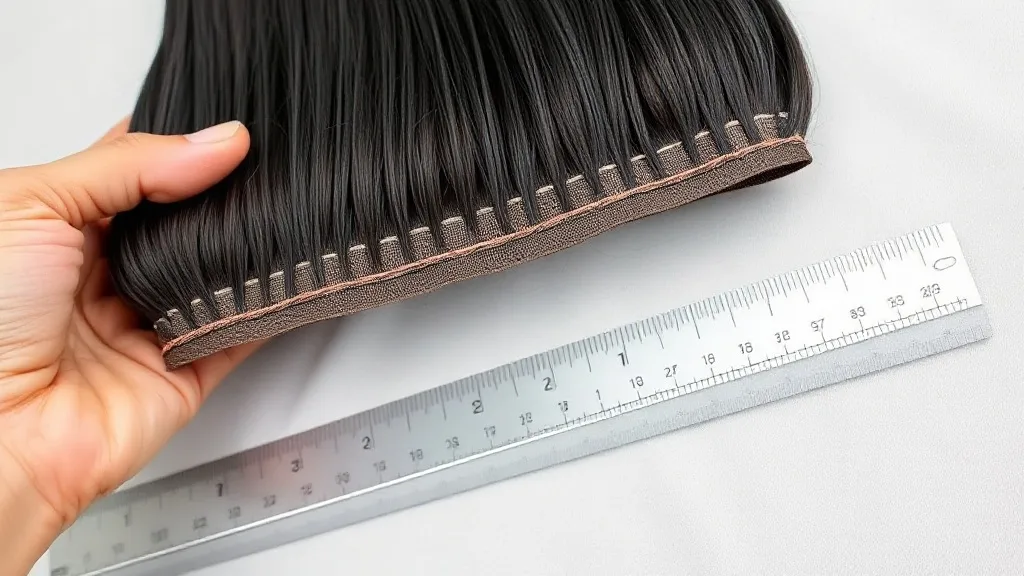
A typical wig cap has a certain number of wefts (rows of sewn hair). For a short wig, you might have 8-10 wefts. For a long wig, you often need 12-15 wefts because the hair is longer and heavier, requiring more support. Each weft uses more hair and more hand-sewing time. If it’s a hand-tied lace front wig, each hair is individually knotted—a process that’s exponentially slower for longer hair. In fact, some high-end long wigs can take several weeks to construct.
Weight: More Grams, More Cash
Hair is sold by weight. A long wig simply uses more grams of hair. A 14-inch wig might use 100-120 grams, while a 24-inch wig can use 180-220 grams. Since high-quality human hair can cost $50-$200 per 100 grams (depending on origin and treatment), that extra weight adds up fast. You’re literally paying for more material.
Demand: The Long Hair Premium
Long wigs are trendy—for now. They’re associated with glamour, special occasions, and dramatic transformations. Because demand is high and supply is limited, sellers can charge a premium. Short wigs, on the other hand, are often seen as everyday wear and have more competition, keeping prices lower.
But Wait—Sometimes Short Costs More
Don't think short is always cheap. A short, pixie-cut wig with complex layering, bleached knots, and custom styling can actually be more expensive than a simple long straight wig. Why? Because craftsmanship matters. A long straight wig is basically hair hanging down—easy. A short wig with a perfect cut and natural movement requires a skilled stylist.
- Pixie cuts often require more hand-styling
- Bleached knots add cost regardless of length
- Lace front short wigs need precise hairline work
The Verdict: Length Is a Factor, But Not the Only One
So, does wig hair length cost more? Generally, yes—longer hair is more expensive due to raw material scarcity, processing, construction weight, and demand. But it’s not a linear relationship. Other factors like hair quality, cap construction, and styling can overshadow length. My advice: don’t just compare prices by inch. Look at the full picture—hair quality, cap type, and brand reputation.
Tips for Budget-Conscious Wig Lovers
- If you want length but have a budget, consider a longer wig with a thinner density (less weight, less cost).
- Buy a medium length like 16-18 inches—still long but less rare and more affordable.
- Look for sales on long wigs from last season’s collections.
- Consider a wig with a mix of lengths (layered) to reduce weight while keeping the illusion of length.
At the end of the day, whether you’re team short or team long, Wigplace has options that won’t break the bank. Check out our Budget Guide category for more tips and affordable picks!