
Introduction: The Economics of Wig Materials
As a wig material scientist, I often get asked: 'What's the cheapest wig that still looks good?' The answer isn't simple because 'cheap' often means shorter lifespan or less natural appearance. However, by understanding the polymer chemistry and construction techniques, you can find budget-friendly wigs that perform well. In this guide, I'll break down the most affordable wig hair types—synthetic fibers, blended fibers, and entry-level human hair—and explain how to get the most value per dollar.
Synthetic Fibers: The Budget Workhorses
Synthetic wigs dominate the budget market, and for good reason. They are typically made from three main polymers: Kanekalon (a modacrylic fiber), Toyokalon (also modacrylic but with different cross-linking), and PVC-coated nylon. Each has distinct properties. Kanekalon is the most common—heat-friendly variants can be styled with low heat (under 350°F), while standard Kanekalon has a matte finish that mimics natural hair. Toyokalon is shinier and more durable but less heat-tolerant. PVC-coated nylon (often used in low-cost costume wigs) is stiff and unnatural—avoid for everyday wear.
For budget-conscious buyers, I recommend heat-friendly synthetic wigs. They cost $30-$80 and allow you to restyle with curling irons or flat irons (set to low). The trade-off is that synthetic fibers have a shorter lifespan (3-6 months with regular wear) and cannot be dyed. However, they hold their style through washing, which reduces maintenance time.
- Kanekalon: Soft, matte, heat-friendly options available. Best for natural look.
- Toyokalon: Shinier, more durable, less responsive to heat styling.
- PVC Nylon: Only for single-use costumes; not recommended for daily wear.
Human Hair Blends: Affordable Luxury
If you want the versatility of human hair without the high cost, consider blended wigs. These combine human hair (often from Indian or Chinese donors) with synthetic fibers. The typical ratio is 30-50% human hair. The human hair adds realistic movement and dye-ability, while the synthetic component reduces price and helps maintain style. Expect to pay $100-$250 for a good blended wig.
From a material perspective, the quality of the human hair matters. 'Remy' hair (cuticles aligned) is more expensive but tangle-resistant. Non-Remy hair can matte if not handled carefully. For budget blends, look for wigs labeled 'Remy synthetic blend'—they offer a good balance of cost and performance.
Budget Human Hair Wigs: Entry-Level Options
Pure human hair wigs can start as low as $150 for straight, non-Remy hair from China or India. These wigs are often pre-colored (usually black or dark brown) and have a lower density. The cuticles are not aligned, so they may require more conditioning to prevent tangling. However, they can be dyed, heat-styled, and last up to a year with proper care.
A note on origins: Indian hair is generally fine and soft, while Chinese hair is thicker and coarser. Both are budget-friendly. Avoid 'virgin' claims at this price point—true virgin hair is more expensive. Instead, look for 'processed' or 'colored' human hair, which has been chemically treated to reduce cost.
Construction Matters: Lace Front vs. Full Cap
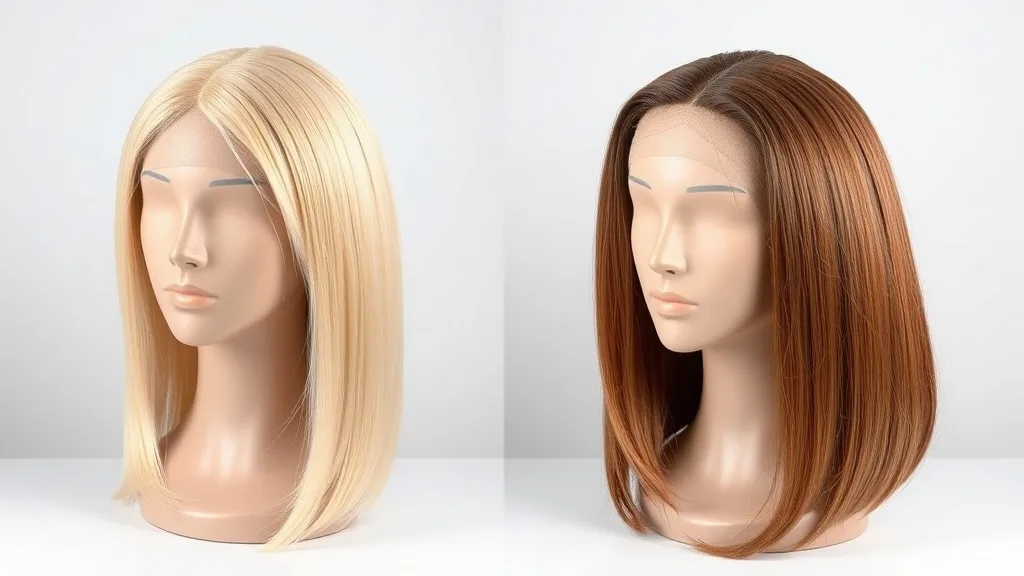
The hair type isn't the only factor—the cap construction also affects budget. Lace front wigs (with a sheer lace panel at the front) offer a natural hairline and are affordable for synthetic and blend wigs ($40-$120). Full lace wigs are pricier but allow parting anywhere. For budget, a well-constructed lace front synthetic wig can look very natural. Avoid glue-dependent wigs if you're a beginner; save that expense.
Care Tips to Extend Budget Wig Life
Regardless of hair type, proper care maximizes your investment. For synthetic wigs, use cool water and synthetic-specific shampoo. Avoid rubbing; pat dry. Store on a wig stand to prevent tangling. For human hair blends, use sulfate-free products and deep condition weekly. Never sleep in a wet wig—this reduces friction and matting.
By following these tips, a $50 synthetic wig can last 4-6 months, and a $100 blend can last 8-12 months. Compare that to a $500 human hair wig lasting 1-2 years; the cost per wear is often lower with budget options.
Conclusion: Smart Choices for Every Budget
The most budget-friendly wig hair type depends on your priorities: maximum affordability? Go with a heat-friendly synthetic. Versatility? A human hair blend. Low-maintenance? Standard synthetic. Remember that material science doesn't lie—understanding the polymer composition helps you avoid marketing hype. At Wigplace, we've analyzed hundreds of wigs under the microscope to bring you unbiased recommendations. Happy wig hunting!