Introduction
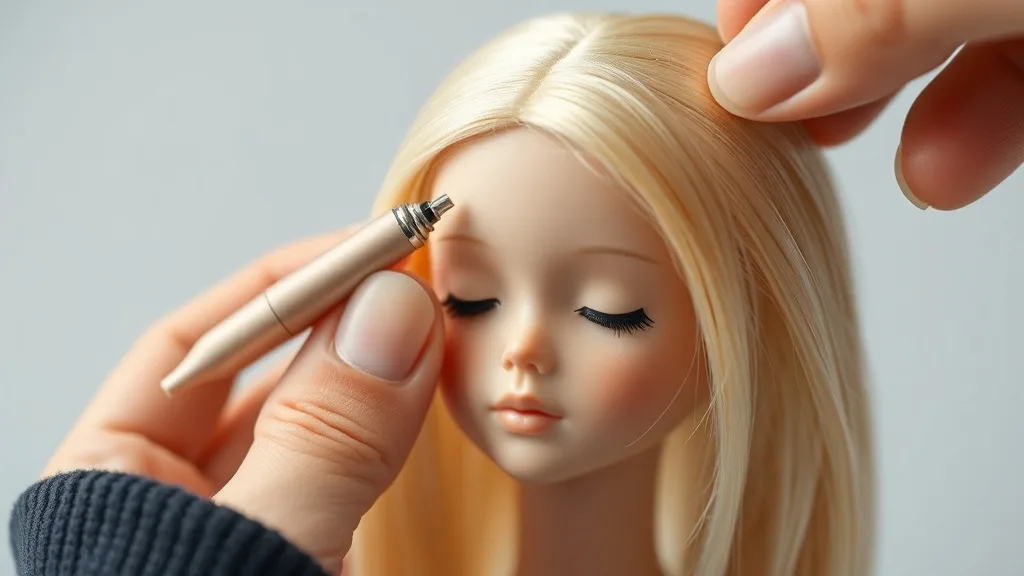
Hello, I’m Connie Scott. For over a decade, I’ve been designing tiny wigs for wedding doll cake toppers. While my specialty is miniature, the principles of wig care are universal—especially when it comes to heat. Many wig wearers assume that all wigs can tolerate the same heat as natural hair, but that’s far from the truth. In this article, I’ll share the hard-won lessons I’ve learned from working with delicate doll hair, and how they apply to full-size wigs.
The Difference Between Human Hair and Synthetic Wigs
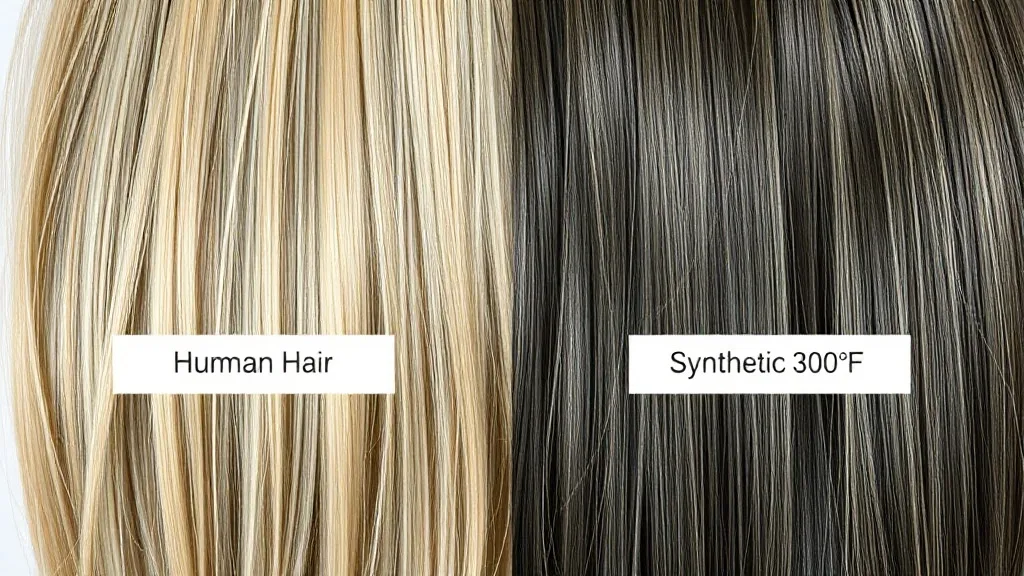
The first thing to understand is the material. Human hair wigs are made from real hair, so they can withstand heat similar to your own strands—generally up to 350-400°F. But synthetic wigs are made from plastic fibers like polyester or acrylic. These fibers melt, kink, or become irreversibly damaged if exposed to high heat. Even heat-friendly synthetics (labeled as such) usually have a max temperature of 180-300°F. In my miniature work, I use both types of fibers. For doll wigs, I often use low-heat synthetic because it holds a curl better at tiny scales, but I must be meticulous about temperature control.
The Danger Zone: Why Temperature Matters
Imagine a wedding cake topper with a melted wig. That’s a disaster I’ve nearly had. When you apply too much heat to a synthetic wig, the fibers can become frizzy, sticky, or even develop a shiny, plastic-like sheen. For human hair wigs, excessive heat can cause dryness and split ends, but the damage is less dramatic. The key is knowing your wig’s fiber type and its heat threshold. Always check the label or manufacturer’s website. For mini wigs, I never exceed 250°F unless I’m absolutely sure the fiber can handle it.
Testing Heat on Tiny Wigs
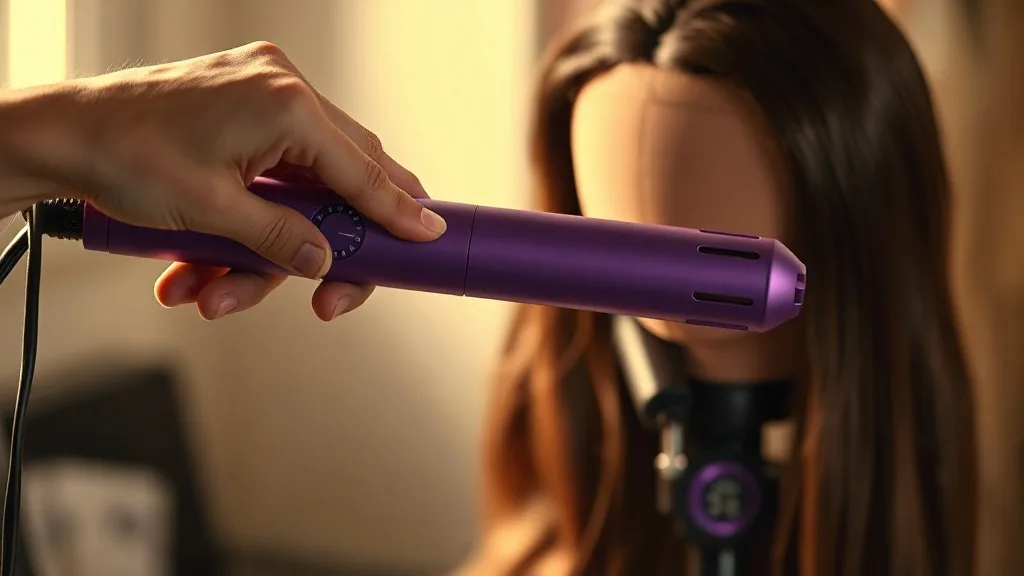
In my studio, I have a collection of doll heads with different wig textures. Before using a new heat tool, I test it on a small, hidden section of the wig—just a few strands. I start at the lowest setting and gradually increase. This is exactly what you should do for a full-size wig. If the fibers start to crinkle or smell, stop immediately. I’ve found that even mini curling wands (designed for doll hair) can burn if left on too long. The same principle applies: heat travels and accumulates.
Tips for Using Heat Tools on Full-Size Wigs
- Always use a heat protectant spray designed for wigs (human or synthetic).
- Set your tool to the lowest effective temperature and test a strand first.
- Avoid direct contact between the heating element and the wig cap; wrap hair around the barrel.
- Limit heat styling to once or twice a week to prolong the wig’s life.
- For synthetic wigs, consider steam styling as a gentler alternative.
These tips come from years of trial and error with $20 doll wigs that were irreplaceable. Imagine the cost of a full human hair wig! Treat your wig like a delicate work of art, and it will last.
Common Myths Busted
- Myth: All wigs can handle a curling iron. Fact: Only heat-friendly synthetics and human hair wigs should be heat styled.
- Myth: Higher heat gives better curls. Fact: Lower heat with longer hold time produces safer, longer-lasting curls.
- Myth: You can use the same products as on your natural hair. Fact: Many hair products contain alcohol that can dry out wig fibers.
Conclusion
Whether you wear a wig for fashion or necessity, respecting the material is paramount. My miniature wigs have taught me to pay attention to every detail—temperature, pressure, and timing. The truth about wig heat tools is simple: know your fiber, test your heat, and proceed with care. Your wig (even if it’s just two inches long) deserves that precision.