
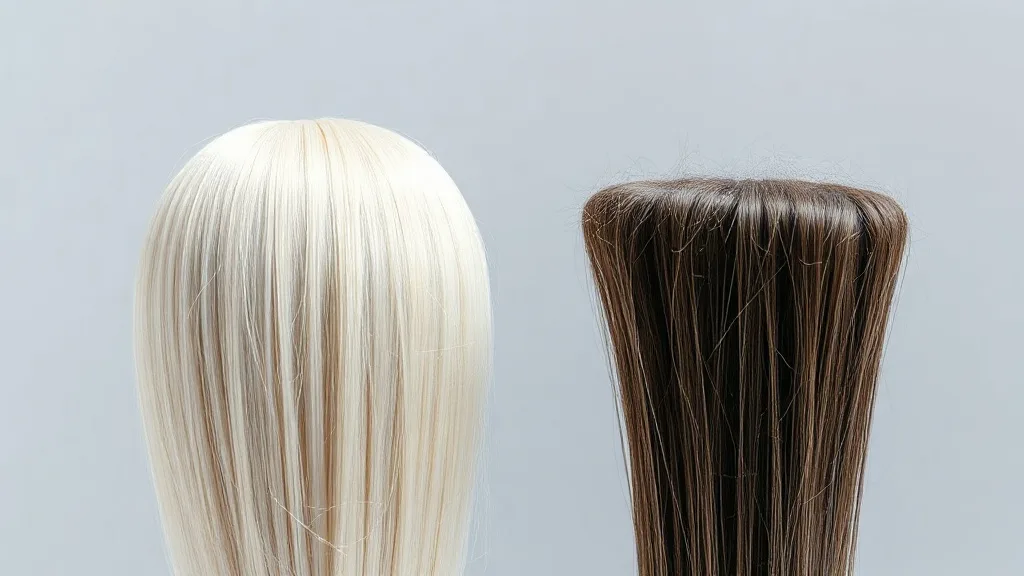

Introduction: The Durability Deception
When clients first come to me with their mannequins, they often ask: 'How long will this wig last?' They assume that a higher price guarantees longevity, or that synthetic wigs are inherently fragile. Over years of sculpting and styling, I've learned that durability is a myth—or rather, it's a story we tell ourselves. The truth is, every wig has a different potential, and how long it looks its best depends on care, usage, and realistic expectations.
Myth #1: Expensive Wigs Last Forever
One of the biggest misconceptions is that a high-end human hair wig will last for years without showing wear. While premium wigs can indeed have a longer lifespan, they are not invincible. Human hair wigs require regular washing, conditioning, and styling—just like your own hair. The cuticles can become rough, the color may fade, and the lace can degrade over time. I've seen $3,000 wigs lose their luster after six months of daily wear without proper care, while a well-maintained $200 synthetic wig can look fresh for a year.
The key is to view a wig as an investment in maintenance, not just purchase price. For my mannequin wigs, I follow a strict rotation: no wig is worn for more than two consecutive days. This allows the fibers to rest and keeps the style intact.
Myth #2: Synthetic Wigs Are Disposable
On the flip side, many people think synthetic wigs are cheap and meant to be thrown away after a few wears. That's far from true. Modern synthetic fibers like Kanekalon or Toyokalon are incredibly resilient. They hold curls and styles without heat, resist humidity, and can last 6–12 months with gentle care. The trick is to avoid harsh brushing and heat styling—most synthetic wigs melt above 300°F. For my mannequins, I use a specialized wig comb and cool water to refresh the style.
Synthetic wigs also have the advantage of 'memory'—they bounce back to their original shape after washing. I recommend washing them every 6–8 wears with a sulfate-free shampoo and letting them air-dry on a wig stand. With this routine, you'll be surprised at their longevity.
Myth #3: You Can Wear a Wig Every Day Without Consequence
Even the most durable wig will suffer from daily wear. Friction from your hairline, oils from your scalp, and environmental factors like wind and sun accelerate wear. I always tell my clients: 'Treat your wig like a delicate garment, not a hat.' Rotating between two or three wigs can triple the life of each. On a mannequin, I never leave a wig on for more than a few hours if I'm not styling it, because the constant pressure on the cap can loosen the wefts.
If you must wear one wig daily, invest in a silk or satin wig cap to reduce friction, and give it a rest day whenever possible. At night, store it on a mannequin head or wig stand to maintain its shape.
Myth #4: Washing Ruins Wigs
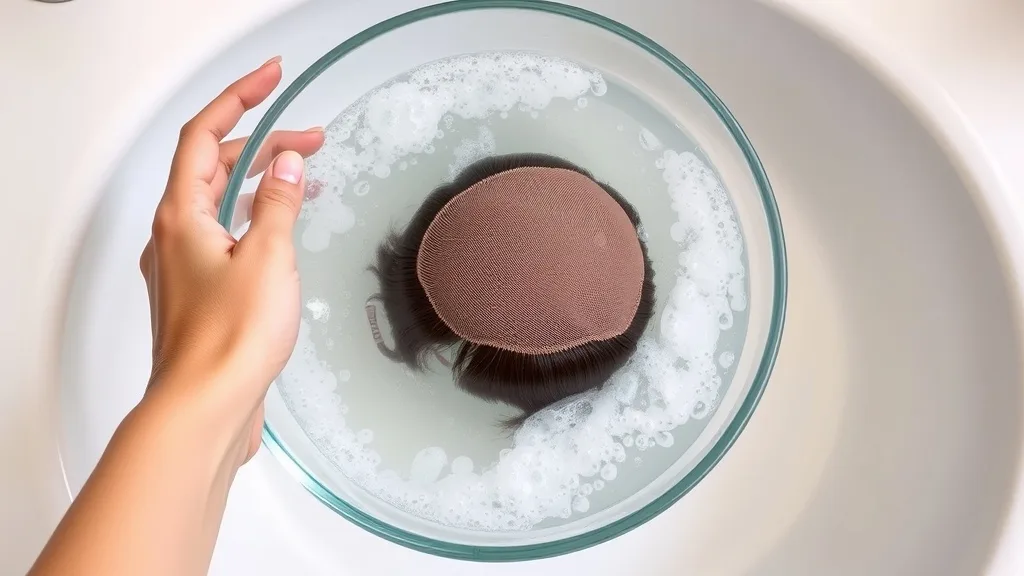
Some clients avoid washing their wigs because they fear ruining the style. In reality, dirt, oil, and product buildup are what kill a wig's appearance. Clean hair reflects light better and moves naturally. For synthetic wigs, use a cool water soak and a gentle shampoo made for synthetic fibers. For human hair, a moisturizing shampoo and conditioner are essential. I always recommend a leave-in conditioner to keep the cuticles smooth.
The trick is to never rub or wring the wig. Gently squeeze out water and pat with a towel. Let it air-dry on a stand, and avoid brushing when wet to prevent stretching. With proper washing, your wig will look fresher longer.
The Real Secret: Customization and Storage
Beyond myths, the actual factors that determine wig durability are customization and storage. A wig that fits well and is ventilated properly will experience less stress. I always measure my mannequin's head circumference and adjust the straps or add silicone grips. A snug but not tight fit prevents friction and keeps the wig from shifting.
Storage is crucial. Never toss a wig in a drawer or hang it by the hair. Use a stand or a mannequin head. Keep it away from heat sources and direct sunlight. For long-term storage, wrap the wig in a silk scarf and place it in a box. This prevents dust and fading.
Conclusion: Embrace Reality
The myth of wig durability is a persistent one, but once you understand the factors that truly affect a wig's life, you can make informed choices. Whether you're styling a mannequin for a window display or wearing a wig yourself, remember that every piece has a story. With love and care, you can extend that story far beyond the myths. As I tell my students, 'A wig is not a disposable accessory—it's a work of art that deserves attention.' And that attention pays off in every beautiful, durable strand.