

Introduction
Your wig is an investment in your confidence and style, and its color is often the first thing people notice. Whether you've chosen a natural shade or a bold fantasy hue, keeping that color fresh and vibrant is essential. Over time, exposure to light, heat, and environmental factors can cause fading. But with the right care, you can extend the life of your wig's color. I'm Ashley Green, and over my years as a wig specialist, I've developed gentle, effective methods to protect color without damaging the fibers. Let me share those secrets with you.
Why Wig Color Fades: Understanding the Culprits
Before we dive into solutions, it's important to understand what causes wig color to fade. The main offenders are UV rays from the sun, heat from styling tools, harsh shampoos, and even the minerals in your water. Synthetic wigs and human hair wigs react differently, but both are vulnerable. For synthetic wigs, the color is often set during manufacturing, so fading can be permanent. For human hair wigs, the cuticle can open and release pigment. Knowing your enemy is the first step to winning the battle.
- UV radiation breaks down dye molecules over time.
- Heat above 180°F (for synthetic) can damage the fiber and alter color.
- Sulfate shampoos strip both natural and artificial pigments.
- Chlorine and salt water can cause discoloration and dullness.
Gentle Washing Techniques to Preserve Color
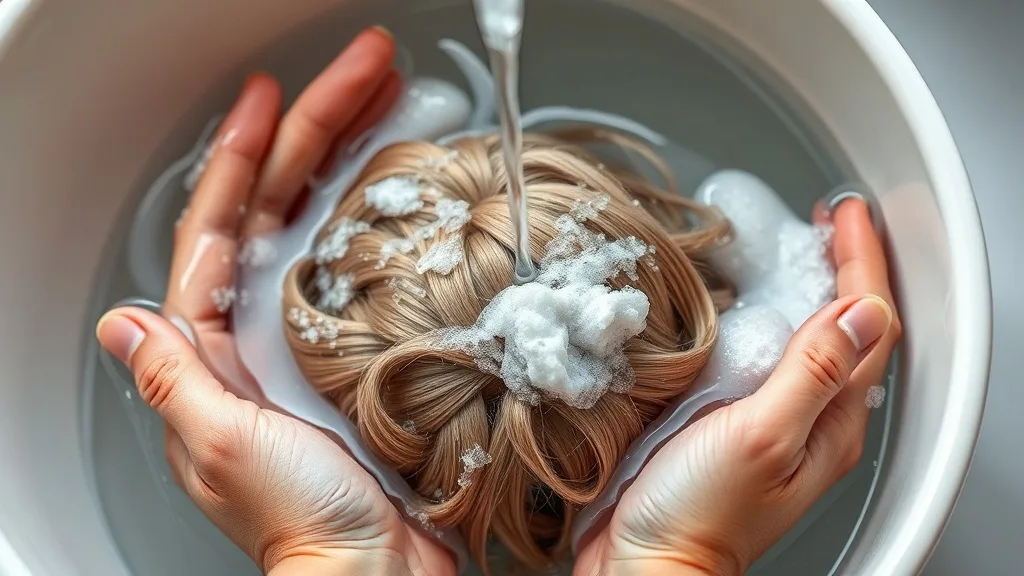
Washing your wig is a delicate task. Too aggressive, and you'll strip the color; too infrequent, and product buildup will dull it. I recommend washing your wig every 6-8 wears, or whenever it starts to look lifeless. Use cool water (never hot) and a color-safe, sulfate-free shampoo. Gently swish the wig in the water—never rub or twist. For synthetic wigs, use a shampoo specifically formulated for synthetic fibers. After washing, apply a color-protecting conditioner to seal the cuticle and add a protective layer. Rinse with cool water until all product is gone.
- Always detangle before washing to avoid tugging on the fibers.
- Immers the wig in water and let it soak for 5 minutes.
- Use a wide-tooth comb to distribute shampoo gently.
- Pat dry with a microfiber towel; never wring or twist.
Heat Styling: The Double-Edged Sword
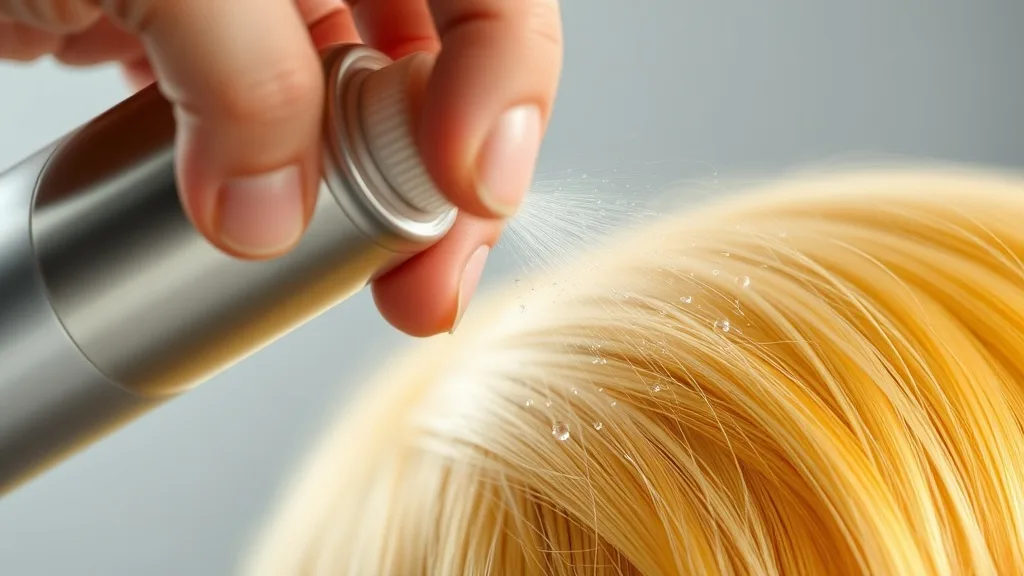
Heat can transform your wig's shape, but it can also dull its color. For synthetic wigs, use only low heat settings (below the fiber's threshold, usually around 180°F). For human hair wigs, apply a heat protectant spray before using any hot tool. When curling or straightening, keep the tool moving to avoid scorching one spot. Remember, excessive heat can cause color to oxidize and turn brassy, especially on lighter shades. I always recommend air-drying whenever possible, and using a steamer instead of an iron for refreshing curls.
Protecting Color from the Sun and Environment
UV rays are relentless. To protect your wig's color, treat it like your skin—use a UV protectant spray. Many brands offer leave-in treatments with UV filters. These are especially important if you wear your wig outdoors frequently. Additionally, avoid prolonged exposure to chlorinated pools or saltwater. If you do swim, wear a swim cap over your wig, and rinse thoroughly with fresh water afterward. For everyday wear, a wide-brimmed hat or scarf can provide physical protection.
Storage: Out of Sight, But Not Out of Mind
Proper storage is crucial for color maintenance. Store your wig on a mannequin head or in a breathable bag away from direct sunlight. Sunlight can fade color even through a window. Avoid storing near heat sources like radiators or in humid bathrooms. I recommend keeping your wig in a cool, dark closet. If you use a wig stand, cover it with a satin scarf to protect from dust and light. And please—never store a wet wig; always ensure it's completely dry to prevent mildew and color bleeding.
Color Refreshing and Touch-Up Tips
Even with the best care, color may start to fade. For human hair wigs, you can refresh the color with semi-permanent dyes or glosses. Always choose a shade close to the original and do a strand test first. For synthetic wigs, you cannot dye them with traditional hair dye; instead, use color-enhancing sprays or chalks designed for synthetics. These add temporary pigment without damaging the fiber. Another option is to take your wig to a professional colorist who specializes in wigs. They can apply a protective topcoat that revives shine and color depth.
Conclusion
Caring for your wig's color doesn't have to be complicated. With a gentle touch, the right products, and a few preventive measures, you can keep your shade looking salon-fresh for months. Remember, patience is key—I've untangled countless knots and restored many faded colors, and it always comes down to consistent, mindful care. Your wig is an extension of you, treat it with the love it deserves, and it will reward you with vibrant color and lasting beauty.