


Where the Myth Comes From
Many people believe that wearing wigs causes hair thinning, breakage, or even permanent damage. This misconception often stems from a few real issues that, when left unaddressed, can harm natural hair. But the wig itself isn't the culprit—it's improper use, poor hygiene, or neglecting underlying hair health.
How Wigs Actually Protect Your Hair
When worn correctly, wigs act as a protective shield. They reduce exposure to harsh weather, heat styling, and constant manipulation. Think of a wig as a gentle barrier that lets your natural hair rest and grow. For many women, wigs are a tool for hair health, not harm.
Common Mistakes That Can Lead to Damage
- Wearing a wig too tightly, which can cause traction alopecia.
- Skipping regular washing and conditioning of natural hair.
- Using glue or tape directly on the hair or scalp.
- Neglecting to moisturize the scalp and hair underneath.
- Sleeping in a wig without proper care, leading to tangles and dryness.
Best Practices for Healthy Natural Hair Under Wigs
Protecting your natural hair starts with a consistent routine. Keep your hair clean, moisturized, and well-conditioned. Use a satin or silk scarf or cap to reduce friction. Always remove your wig at night to let your scalp breathe. And never skip a gentle detangling session before re-installing.
Choosing Breathable Wig Caps
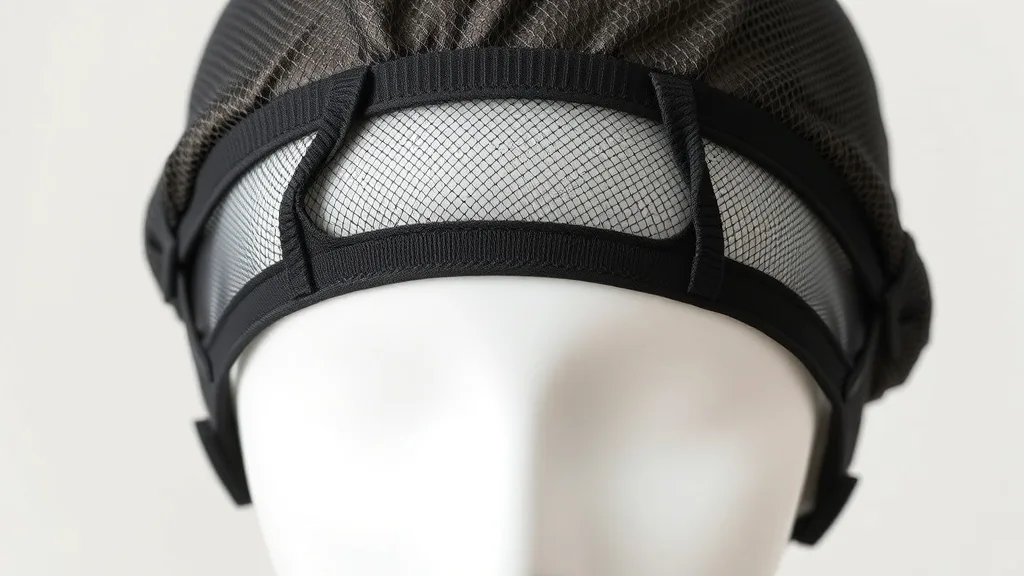
The foundation matters. Look for wig caps made from breathable materials like cotton or bamboo. Avoid tight elastic bands that dig into your hairline. A well-fitting cap should feel like a second skin, not a head vise. At Wigplace, we recommend adjustable caps that allow for customization.
The Role of Proper Wig Care
Your wig's condition also affects your natural hair. A clean wig free of product buildup won't transfer residues to your scalp. Regularly wash and condition your wig according to its fiber type. For synthetic wigs, use specially formulated products. For human hair, treat it like your own.
Conclusion: Wigs as a Hair Care Tool
The myth that wigs damage natural hair is just that—a myth. With mindful practices, wigs can be one of the best tools for maintaining and growing healthy hair. Remember, less is more: minimal tension, regular care, and quality products make all the difference. Your natural hair can thrive under a wig when you treat it with respect.