
What Is Wig Density?
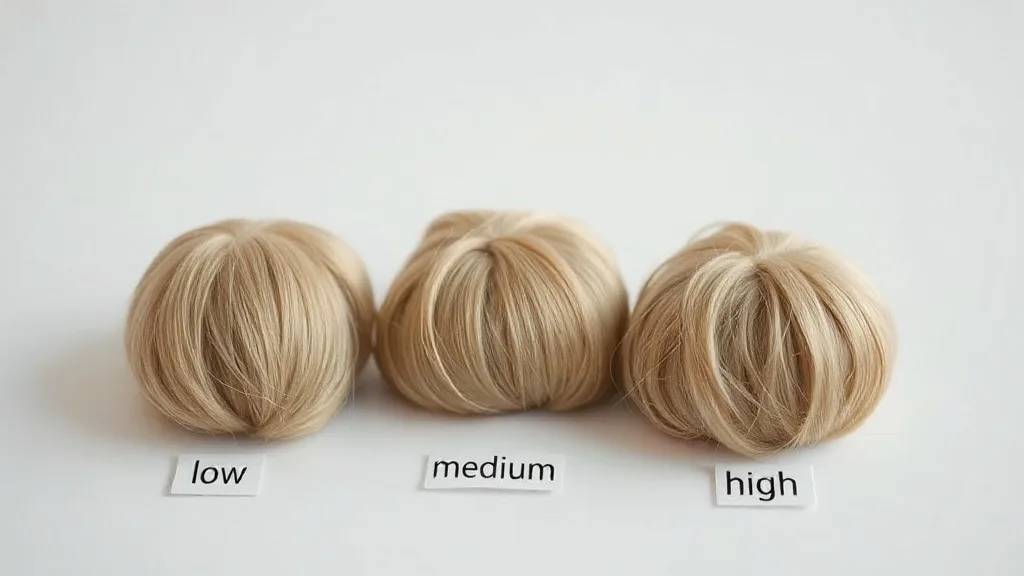
Wig density refers to the amount of hair on the wig cap, typically measured as a percentage from low (50-80%) to medium (120-150%) to high (180-200%+). Low density mimics thin natural hair, medium is average fullness, and high offers dramatic volume. As a wig collector who keeps my pieces in pristine condition, I've learned that density is not just about looks—it's a major comfort factor.
How Density Affects Comfort
The weight of a wig increases with density. High-density wigs can feel heavy after a few hours, leading to tension headaches or neck strain. Breathability also suffers: more hair means less airflow to the scalp, causing heat buildup and sweating. For those with sensitive skin, the extra friction from dense hair can cause itching or irritation.
- Weight: Low-density wigs feel lighter and less tiring to wear.
- Heat: High-density wigs trap heat, making them uncomfortable in warm climates.
- Ventilation: More hair blocks airflow, increasing scalp moisture.
- Scalp Irritation: Dense wigs can rub against the skin, especially if the cap isn't well-ventilated.
The Hidden Risks of High Density
As someone paranoid about dust mites and damage, I warn customers that high-density wigs require extra care. Sweat and oil buildup can lead to odor and attract dust mites if not cleaned frequently. The dense hair also tangles more, putting stress on the cap and fibers. I always recommend using a breathable storage bag and washing with gentle, pH-balanced products to extend the wig's life.
Finding Your Perfect Density
For daily wear, medium density (120-130%) offers a healthy balance of volume and comfort. If you live in a hot climate or are active, low density (80-100%) keeps you cooler. High density (150%+) is best for special occasions or when you want maximum fullness, but plan for shorter wear times and frequent maintenance.
Bonnie's Tips for Maintaining Comfort
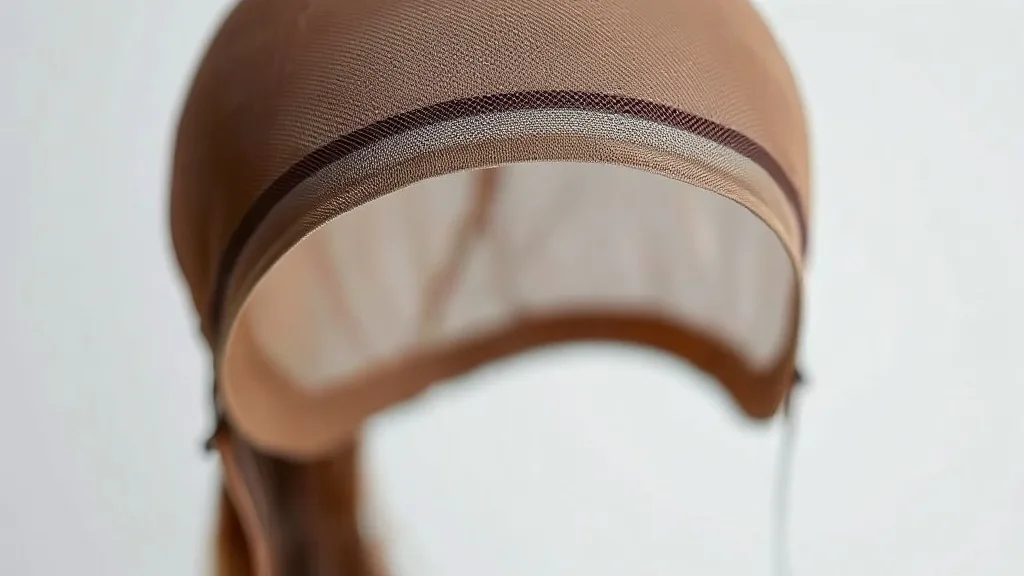
- Choose wigs with monofilament or hand-tied caps for better ventilation and a lighter feel.
- Wash your wig after every 6-8 wears to remove sweat and oils—I do it even sooner!
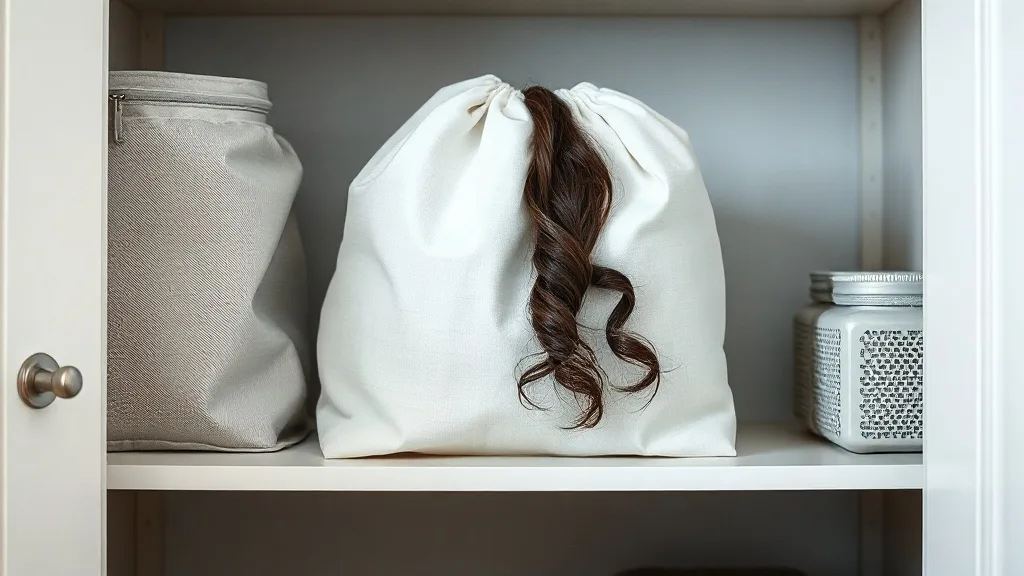
- Store wigs on a ventilated stand or in a cotton bag to prevent moisture buildup.
- Use a silk or satin pillowcase when wearing a wig to bed to reduce friction.
- If you feel discomfort, rotate between two wigs to give your scalp a break.
Conclusion
Wig density directly impacts comfort from weight to breathability. By understanding your needs and lifestyle, you can choose a density that lets you look great and feel at ease. Remember, a comfortable wig is a wig you'll actually enjoy wearing—and properly storing. Stay fresh, stay careful.