
In my decades of studying the grand wigs of the 18th century, I have witnessed a troubling trend: modern wigs have become garish, with colors that scream 'synthetic' rather than whisper 'natural.' The question, 'Does wig color affect naturalness?' is one that would have baffled our powdered ancestors. To them, a wig was a statement of status, not a mimicry of biology. But today, we seek wigs that blend seamlessly with our own hair—or at least appear plausible. Let me share my thoughts, seasoned with the wisdom of history.
The Historical Precedent: Powder and Pastels
In the 1700s, wigs were rarely meant to look natural. They were powdered white, gray, or soft pastels—colors that signified wealth and hygiene. The powdering process often rendered wigs a uniform shade, far from any human hair color. Yet, these wigs were considered the epitome of elegance. The key was that they were honest about their artificiality. No one mistook a powdered wig for real hair—that was not the point. So, when we ask about naturalness today, we must first define our terms. Are you seeking a wig that looks like it could grow from your scalp? Or one that enhances your appearance without pretense?
Modern Color Options: A Double-Edged Sword
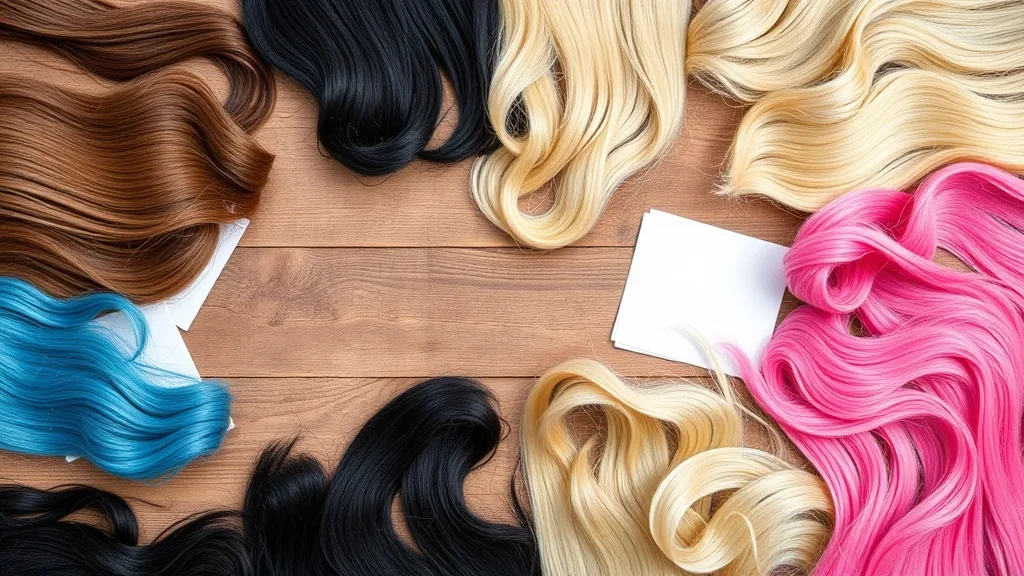
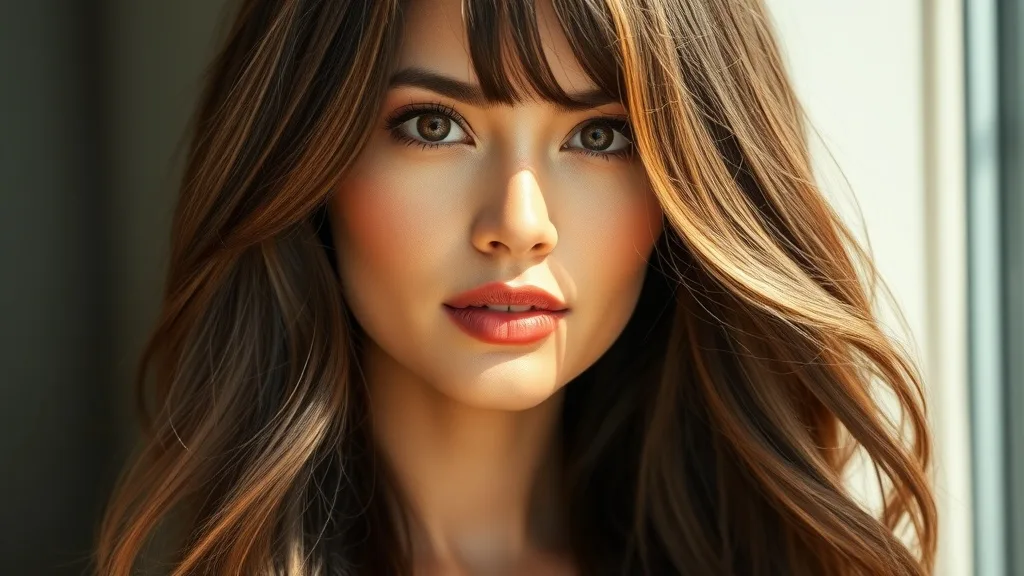
Today's wigs come in every hue imaginable: from ebony to platinum, from fire-engine red to pastel pink. While variety is wonderful, it also leads to common pitfalls. Colors that are too vibrant or uniform often betray their wig origin. Human hair has subtle variations—highlights, lowlights, and a natural sheen. High-quality synthetic wigs attempt to replicate this, but many fail. The most natural wigs are those that mimic the slight asymmetry and depth of real hair color. For instance, a dark brown wig with a single, flat tone will appear fake, whereas one with multi-tonal strands will turn heads for the right reasons.
The Role of Skin Tone and Undertones
Naturalness is not just about the wig itself; it is about harmony with the wearer. A wig color that clashes with one's skin tone—whether warm, cool, or neutral—will look unnatural. In my day, we took great care to ensure that the powder shade complemented the skin, often adding a touch of pink or blue to the wig to match the complexion. Modern wig wearers should do the same: choose a color that falls within the same tonal family as your skin. For example, those with warm undertones should opt for honey blondes or rich auburns, while cool undertones suit ash browns or platinum.
Testing Naturalness: The Blink Test
There is a simple test I recommend to my clients: the blink test. Look at yourself in the mirror and blink rapidly. When you open your eyes, does the wig color instantly register as 'hair' or does it scream 'wig'? If it takes a moment to look natural, the color is likely off. Another trick is to view the wig in different lighting—sunlight, indoor light, and fluorescent light. Some colors that look stunning in the store appear harsh under natural light. Always ask for a swatch or sample to test at home.
My Opinion: Embrace the Artifice—But Wisely
Given my fondness for the powdered wigs of yore, I confess that I am not entirely opposed to wigs that flaunt their artificiality. However, for those seeking a natural look, color is paramount. Stick to shades found in nature for the most convincing result. If you must venture into fantasy colors, consider them for occasions where realism is not the goal. In the end, the naturalness of a wig depends on the wearer's intention. Does it matter if others know it's a wig? If yes, choose wisely. If no, let your wig be a glorious crown of whatever color you desire.
In conclusion, wig color absolutely affects naturalness. A well-chosen color can elevate a wig from costume piece to seamless extension of self. Study your skin tone, observe subtle variations, and test in different lights. And remember: even the most natural wig is still a work of art.