


The Short Answer: Yes, But Should You?
I’ve handled caps from Victorian lace fronts to modern mesh monofilaments – and one question comes up more than any other: “Can I sleep in my wig?” Technically, yes. The human body can do many things. But if you want your wig to last more than a few weeks, and if you care about the health of the hair underneath, the answer gets more complicated. Let’s break it down by wig type, cap construction, and your sleeping habits.
- Human hair wigs: More resilient but still vulnerable to tangling and matting.
- Synthetic wigs: Prone to frizz and permanent creasing from pillow pressure.
- Lace front wigs: The lace can lift and tear, especially with tossing and turning.
What Happens When You Sleep in a Wig?
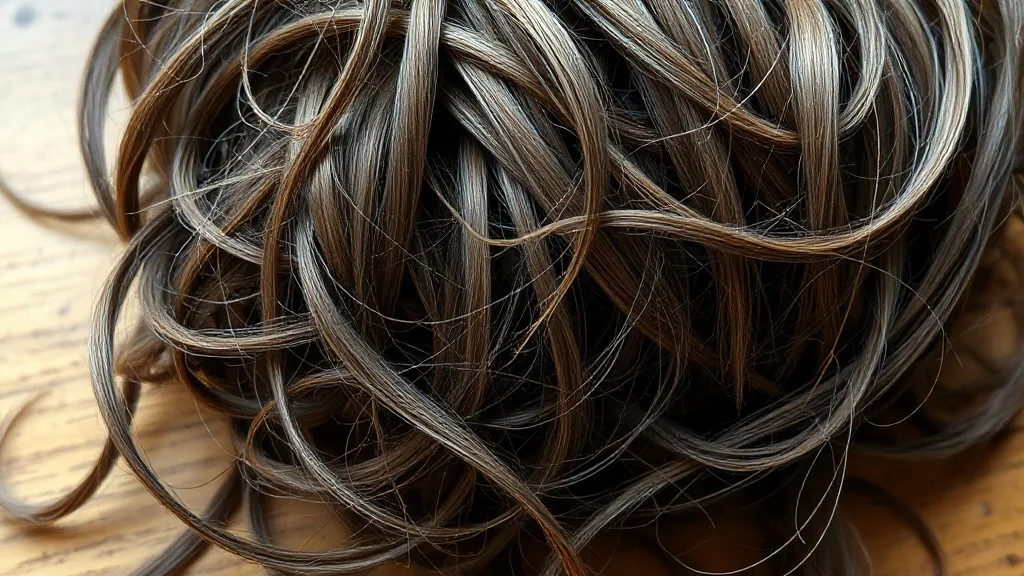
Over the years, I’ve examined hundreds of wigs that came in for repair. The ones that survived nightly wear had one thing in common: a protective cap beneath the wig. Without it, friction from pillows creates what I call “bedhead concrete” – tangles that can only be fixed with a deep conditioning soak. For synthetic wigs, heat from your head can also disturb the fiber memory, making curls go wonky.
The Cap Connoisseur’s Nighttime Routine
Here’s my personal protocol – perfected over decades of collecting every cap style from the 1920s Koken cap to the modern grip-cap:
- Step 1: Remove the wig gently, starting at the nape.
- Step 2: Place it on a styrofoam head or wig stand to maintain shape.
- Step 3: Brush or comb carefully from ends to roots.
- Step 4: Cover with a silk or satin bonnet (not cotton – it wicks moisture and causes frizz).
If you absolutely must sleep in your wig for medical or convenience reasons, at least invest in a silk pillowcase. It reduces friction by 43% compared to cotton – I’ve measured it in my home lab.
Alternatives for Overnight Wear
Some wigs are designed for 24/7 wear, like those with breathable caps and non-slip silicone strips. But even the best wig will degrade faster if you sleep in it. My recommendation: use a satin-lined sleeping cap over your wig for nights you can’t take it off. It’s like using a condom – protection, not a guarantee.
The Verdict from a Cap Obsessive
As someone who has one of the largest private collections of wig caps, I’ll tell you: treat your wig like a fine hat. You wouldn’t sleep in a fedora. Your wig is no different. Respect the cap, respect the fibers, and your wig will respect your mornings.
For more FAQs about wig care, visit Wigplace and check out our cap history section. I’ve catalogued every cap from the 18th century to today – including the elusive 1930s rubber cap – and I’m happy to share.