
Introduction: Why Everyday Wigs Demand More
I’ve been fitting wigs for celebrities and everyday people for over a decade. I’ve seen it all–cheap wigs that slip, hot wigs that make you sweat, and beautiful wigs that fall apart after a month. If you’re looking for a wig to wear every day, you need something that balances comfort, durability, and natural appearance. Let’s cut through the marketing and get to what actually works.
Cap Construction: The Foundation of Comfort
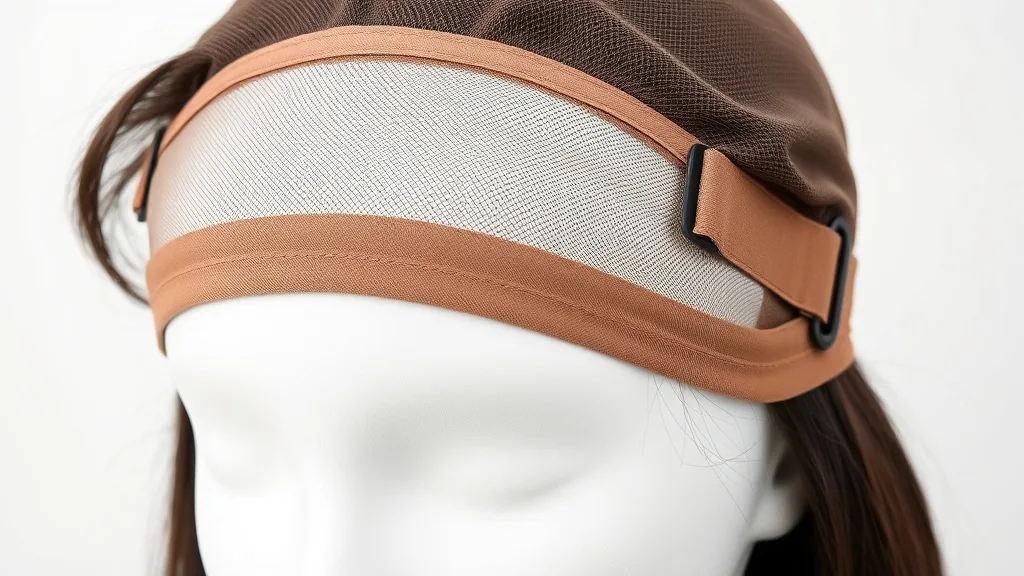
The cap is the most important part of an everyday wig. A poorly constructed cap will cause discomfort, slipping, and even hair loss. For daily use, I recommend a monofilament or lace front cap. These offer a realistic scalp appearance and allow for multidirectional parting. A full lace wig is ideal for styling versatility, but for most daily wearers, a lace front with a monofilament top is the sweet spot.
If you live in a hot climate, look for a cap with hand-tied wefts. They are breathable and reduce sweating. Avoid machine-wefted caps for everyday wear; they are heavier and less comfortable in the long run.
Fiber Material: Synthetic vs. Human Hair
For everyday use, human hair wigs are generally superior. They can be styled with heat, last 1–2 years with proper care, and look more natural, especially when you need to match your own hair texture. However, they require more maintenance. If you want a low-maintenance option, high-quality synthetic wigs (like those made from heat-friendly fibers) can work, but they won’t last as long and may not hold up to daily wear. My advice: invest in a good human hair wig if you can. Your scalp will thank you.
Hair Density and Length for Daily Use
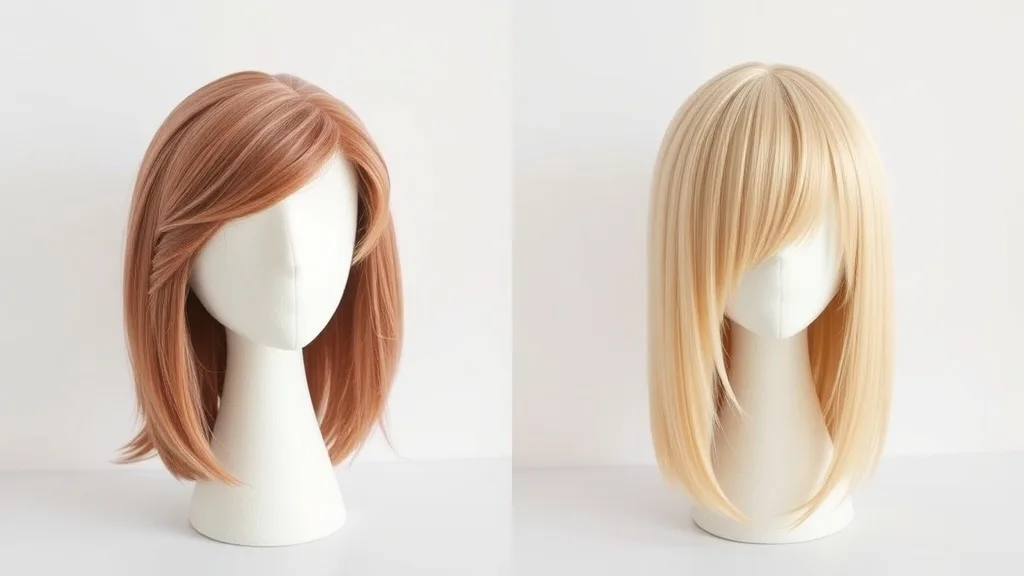
Don’t get seduced by ultra-long or ultra-dense wigs. They are heavy and can cause tension on your natural hairline. For everyday wear, I recommend a density between 100–150% (which is average to slightly below average natural density) and a length of 10–18 inches. This weight is comfortable and manageable. I’ve seen too many clients come in with sore scalps from thick wigs. Listen to me: lighter is better.
- Cap construction: Look for monofilament top and/or lace front.
- Material: Human hair is best for longevity and styling.
- Density: 100–150% is comfortable for daily wear.
- Length: 10–18 inches for easy styling and weight.
Comfort Features You Can’t Ignore
A wig that isn’t comfortable won’t be worn, plain and simple. Look for adjustable straps, silicone grips or combs (but not the cheap plastic ones that tug), and a breathable cap. If you have a sensitive scalp, opt for a cap with soft velvet lining. I always tell my clients: “If it doesn’t feel like nothing on your head, it’s not the right wig.”
Durability: How Long Should an Everyday Wig Last?
With proper care, a quality human hair wig can last 12–18 months. Synthetic wigs average 3–6 months. But durability also depends on how you treat it. Rotate between two wigs to reduce wear. Wash gently every 7–10 wears. And please, use a wig stand – don’t just toss it on the dresser. I am a perfectionist, but I care about your investment.
My Top Picks for Everyday Wigs
After years of fitting, these are the wigs I consistently recommend for daily wear: (1) A hand-tied monofilament top human hair wig from a reputable brand like Jon Renau or Raquel Welch. (2) For synthetic lovers, the Noriko line offers heat-friendly fibers that look natural. (3) If budget is a concern, the Sensationnel Lace Front Human Hair wig is a solid choice. Remember, a well-fitted wig is worth every penny.
Final Thoughts: Don’t Settle for Less
You deserve a wig that feels secure, looks natural, and stays comfortable all day. I won’t let you leave my shop without a proper fit, so do yourself a favor and follow these guidelines. Your everyday wig is an investment in your confidence. Make it count.