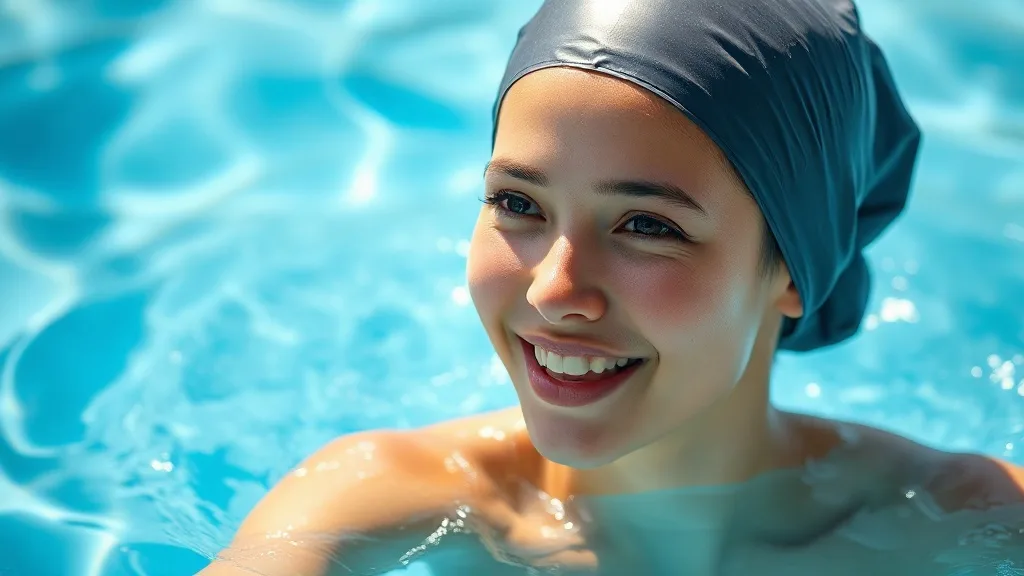



I'm Andrew Jackson, and I've installed wigs on people who've gone through hurricanes, roller coasters, and even a zip line accident. But nothing scares me more than a wig owner jumping into a pool without proper care. Chlorine, salt water, and sun are the three horsemen of the wig-pocalypse. But don't worry—I'm here to give you the overprotective, expert advice you need to keep your wig looking flawless while you enjoy the water.
Understanding the Risks of Swimming with a Wig
Swimming with a wig isn't inherently dangerous, but it does require preparation. The main enemies are chlorine (in pools), salt (in the ocean), and UV rays. They can strip color, dry out fibers, and weaken the wig's structure. Synthetic wigs are especially vulnerable—chlorine can cause irreversible tangling and frizz. Human hair wigs can recover with proper care, but repeated exposure without maintenance will shorten their lifespan.
- Chlorine reacts with hair fibers, causing discoloration and brittleness.
- Salt water leaves behind crystals that abrade the cuticle.
- UV rays fade colors and degrade adhesives in lace front wigs.
The frequency of swimming with a wig depends on how well you protect it and how much effort you're willing to put into post-swim care. If you're a casual swimmer (once a month), you can get away with basic precautions. For frequent swimmers (weekly), you need a strict routine. And if you're a swimmer who's in the water daily—like lap swimmers or water aerobics enthusiasts—you might want to consider a dedicated swim wig or at least a high-quality swim cap.
How Often Can You Swim with a Wig?
Let me break it down by usage level:
Occasional Swimmers (1-3 times per season)
If you only swim a few times a year, you can absolutely wear your wig. Just follow my pre- and post-swim steps (below) and you'll be fine. Your wig might need a deep conditioning treatment afterward, but it shouldn't suffer permanent damage.
Regular Swimmers (1-2 times per week)
For weekly swimmers, I recommend having a dedicated swim wig or at least a synthetic wig that you don't mind replacing sooner. Human hair wigs can handle weekly swims if you're diligent about rinsing, washing, and conditioning immediately after. You should also invest in a high-quality, tight-fitting swim cap to minimize water exposure.
Frequent Swimmers (Daily or near-daily)
If you're in the water every day, I strongly advise against wearing your everyday wig. Get a cheap synthetic wig or a swim-specific wig (often made of silicone or coated fibers). Even with the best care, chlorine and salt will degrade any wig over time. For daily swimmers, expect to replace your swim wig every 2-3 months.
Pre-Swim Protection Steps
Before you even think about jumping in, prep your wig. This is where my overprotective side kicks in—but it's better than having a crying customer with a green wig.
- Apply a leave-in conditioner or a silicone-based protectant to create a barrier against chemicals.
- Braid or twist the wig into a low, tight style to minimize tangling.
- Wear a swim cap that fully covers the wig. Silicone caps work best—they seal tight and don't absorb water.
- If you have a lace front, use extra adhesive or waterproof tape to ensure the cap doesn't lift.
- Consider a second, smaller cap underneath to add an extra layer of protection.
Pro tip: Wet the wig with clean water before swimming. A saturated wig absorbs less chlorinated or salty water than a dry one.
Post-Swim Care Routine
As soon as you're out of the water, follow these steps immediately. Don't wait—every minute the wig stays wet with pool water is a minute of potential damage.
If you were wearing a swim cap, wash the wig as above anyway—the cap isn't 100% waterproof. Also, clean the swim cap and let it dry.
Tips for Different Wig Types
Synthetic Wigs
Synthetic fibers are heat-sensitive and can't be washed with hot water. They also don't hold up well to chlorine. If you swim with a synthetic wig, expect it to frizz or tangle. Use a swim cap religiously. After swimming, rinse with cool water and use a synthetic-specific conditioner. Avoid brushing when wet—use your fingers.
Human Hair Wigs
Human hair is more forgiving but still needs TLC. You can swim more often, but don't skip the conditioning. Use a UV protectant spray if you're swimming outdoors. After drying, you may need to apply a heat protectant and a curling iron to restore style.
Lace Front Wigs
The lace itself is delicate. Avoid direct contact with pool chemicals—make sure your swim cap covers the hairline. If water gets underneath, the adhesive may weaken. Have a repair kit handy. After swimming, dry the lace area gently with a microfiber towel.
Additional FAQs
- Can I use a regular swim cap? Yes, but silicone caps are best. Avoid latex if you have allergies.
- What if I don't have a swim cap? You're taking a huge risk. At least braid the wig and apply a protectant.
- How often should I deep condition? After every swim, even if you used a cap.
Look, I know I sound like a paranoid dad, but I've seen too many expensive wigs ruined because someone thought they could just 'wing it.' You can still enjoy swimming—you just need to be smart about it. Follow this guide, and your wig will survive the summer (and the winter indoor pool season) looking as good as the day you bought it.
Now go have fun! And if you ever have a wig emergency, you know where to find me—probably in my shop, surrounded by wig stands and a bottle of adhesive remover.