

Introduction
Wigs are an investment in your style and confidence. Whether you wear them for fashion, convenience, or medical reasons, proper care is essential to keep them looking their best. One of the most overlooked aspects of wig maintenance is brushing. Surprisingly, many wig wearers make simple mistakes that lead to tangling, shedding, and even irreversible damage. As a fashion blogger who coordinates wigs with outfits daily, I've learned the hard way what works and what doesn't. In this guide, I'll walk you through the top brush blunders and how to avoid them.
Mistake 1: Using the Wrong Brush
Not all brushes are created equal, especially when it comes to wigs. Using a regular hairbrush designed for natural hair can be disastrous. Wig fibers, whether synthetic or human hair, are more delicate than your natural locks. The wrong bristles can snag, pull, and cause fraying.
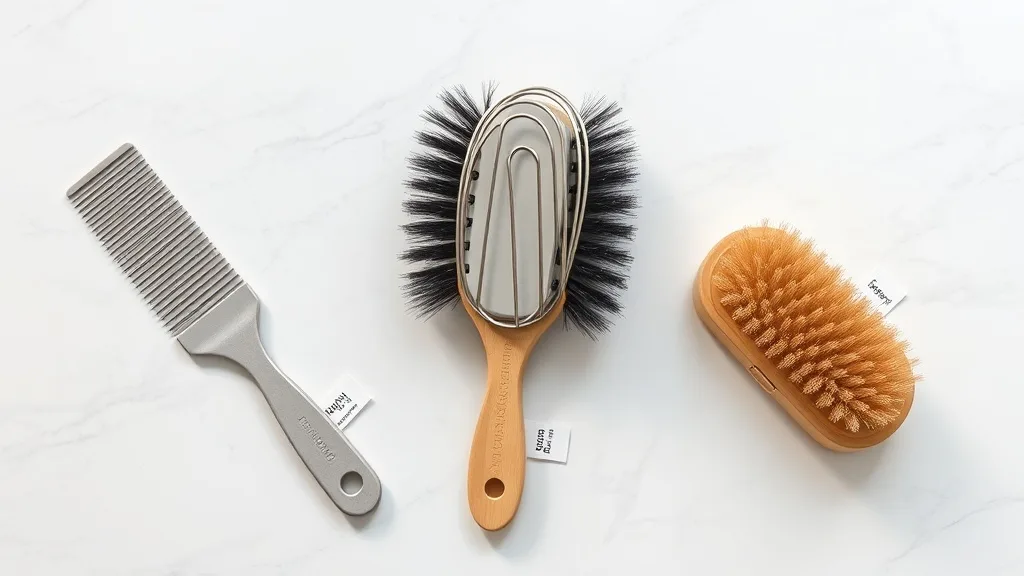
Here's what you need to know about brush types:
- Wide-tooth comb: Best for detangling both synthetic and human hair wigs without causing stress.
- Wire wig brush: Ideal for synthetic wigs; the looped bristles glide through fibers without snagging.
- Natural bristle brush: Good for human hair wigs to distribute oils and add shine.
- Avoid: Fine-tooth combs, plastic brushes with sharp tips, and boar bristle brushes on synthetic wigs.
Mistake 2: Brushing When Dry
One of the biggest mistakes is brushing a dry wig. Dry brushing creates friction, leading to frizz, static, and breakage. For synthetic wigs, it can cause the fibers to become rough and tangled. For human hair wigs, it strips moisture and leads to split ends.
Always brush your wig when it's slightly damp, ideally after washing and applying a leave-in conditioner. If you must brush a dry wig, use a detangling spray to reduce friction. Remember: moisture is your friend.
Mistake 3: Brushing from the Roots
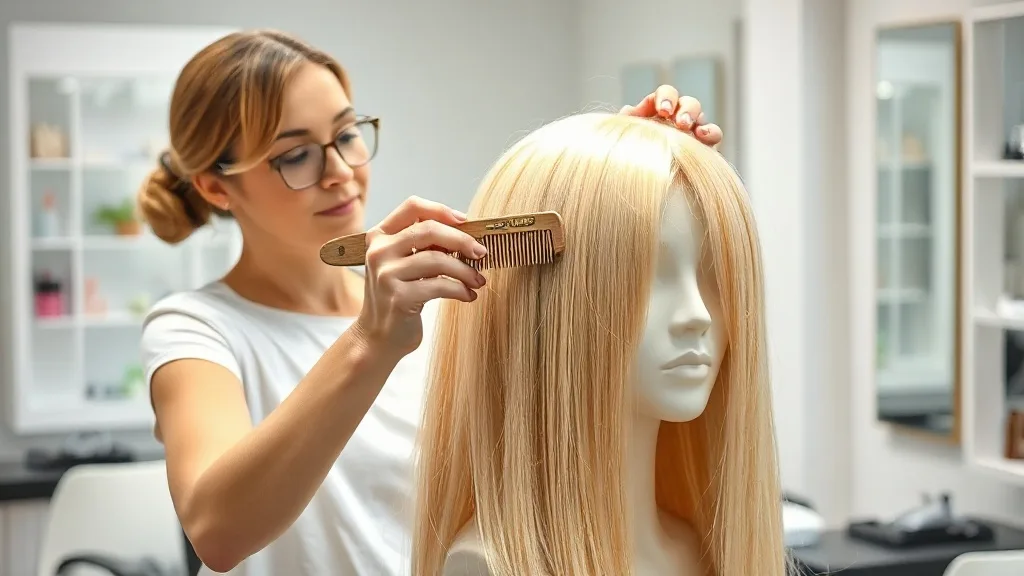
It's tempting to start brushing at the top and work your way down, but that's a recipe for disaster. Brushing from the roots can pull out hairs from the cap, damage the knots, and create bald spots.
The proper technique is:
- Hold the wig securely at the base of the cap with one hand.
- Start brushing at the ends and work upward in small sections.
- Gently work through tangles with patience—never yank.
- Use a detangling spray if you encounter stubborn knots.
Mistake 4: Using Too Much Force
Wigs are delicate. Applying excessive force while brushing can stretch the fibers, pop the knots, and even tear the lace or cap. Even if you're in a rush, aggressive brushing will shorten your wig's lifespan significantly.
Instead, use gentle strokes. If you meet resistance, pause and spray a detangler. For synthetic wigs, warm water can help relax the fibers. Remember: slow and steady wins the race—and keeps your wig beautiful.
Mistake 5: Neglecting Brush Maintenance
Even if you brush correctly, a dirty brush can transfer oils, dust, and product buildup onto your wig. This leads to dullness and matting. Also, broken bristles or trapped hair in the brush can snag and damage fibers.
Clean your wig brush weekly: remove hair, soak in warm soapy water, scrub with a toothbrush, and let it air dry. Replace brushes when bristles become bent or rough. A clean brush is a happy brush.
Conclusion
Brushing your wig doesn't have to be intimidating. By avoiding these common mistakes, you'll keep your wig looking fresh, stylish, and long-lasting. Remember: the right brush, proper technique, and a little TLC go a long way. As someone who loves mixing wigs with outfits, I can tell you that a well-cared-for wig is the ultimate accessory. Happy brushing!