
The Day My Favorite Wig Started Shedding
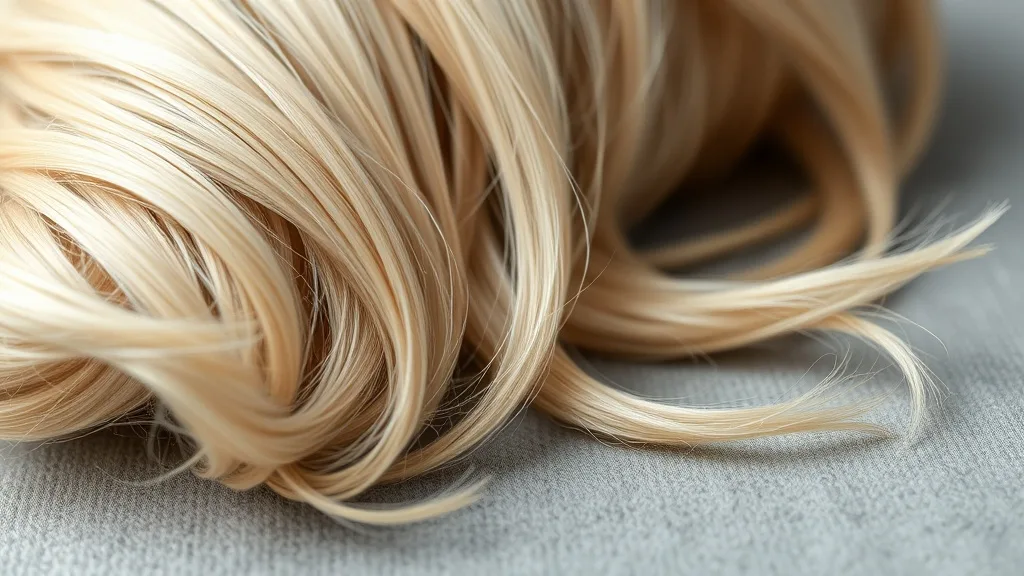
You know that sinking feeling when you run your fingers through your wig and come away with a handful of fibers? It happened to me last week with my beloved honey-blonde bob. I had worn it every other day for three months, and suddenly the ends were leaving little trails everywhere. My diary entry that night read: 'Wig shedding crisis! Must get to the bottom of this.'
What Causes Wig Shedding at the Ends?
After some research and a chat with my wig specialist, I learned that shedding at the ends is usually due to a combination of factors. Here are the main culprits:
- Friction: Constant rubbing against collars, scarves, or pillows.
- Brushing Damage: Using the wrong brush or technique.
- Heat Exposure: Overuse of hot styling tools without protection.
- Product Buildup: Heavy conditioners or sprays clogging the fibers.
- Fraying: Simply old age – wigs have a lifespan.
My Shedding Diary: A Week of Observations
I decided to keep a diary for a week, noting every time I saw shedding. Monday: after wearing a turtleneck – 15 strands. Tuesday: after brushing with a boar bristle brush – 10 strands. Wednesday: after using a curling iron – 20 strands! The pattern was clear: heat and friction were my enemies.
Expert Tips to Prevent End Shedding
Armed with my diary, I consulted with Laura from Wig Emporium. Here’s what she recommended:
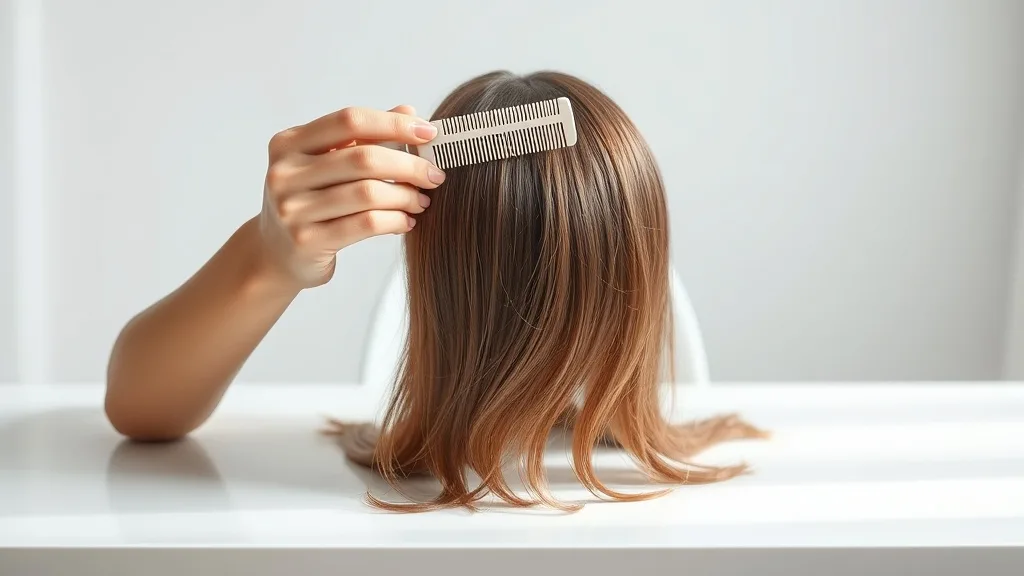
- Use a wide-tooth comb or a wig-specific brush to detangle gently from ends upward.
- Avoid high heat – if you must style, use a heat protectant spray and keep temperature below 350°F.
- Wear a silk or satin scarf or use a satin pillowcase to reduce friction.
- Wash your wig less frequently and use sulfate-free, wig-safe products.
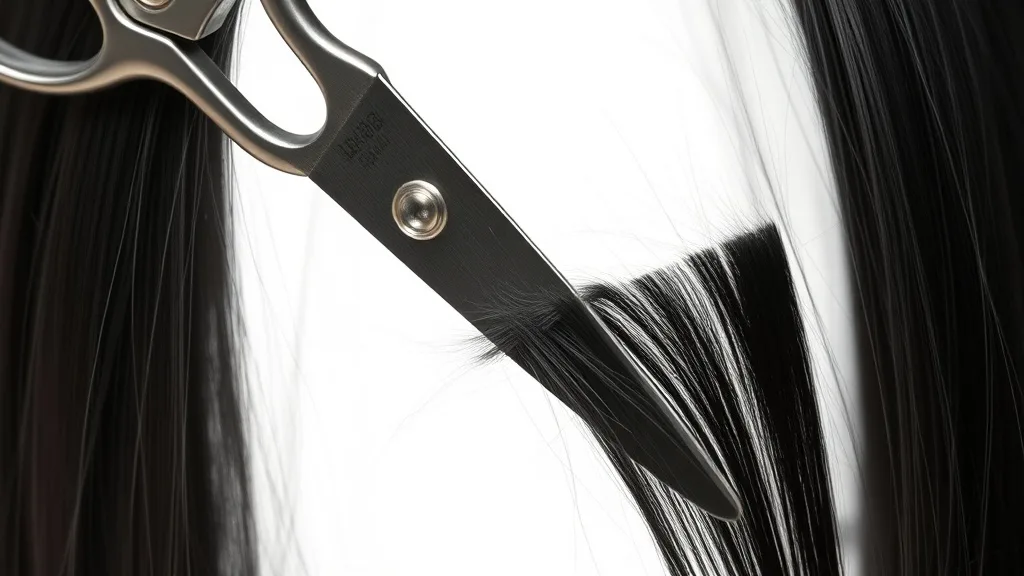
- Trim the ends every 6-8 weeks to remove frayed fibers.
My New Wig Care Routine
I've made some changes. Now I brush my wig before wearing it, not after. I sleep with a satin bonnet, and I've swapped my heavy conditioner for a lightweight leave-in spray. It's only been two weeks, but the shedding has reduced by at least 70%. I’m even planning to try an anti-shedding serum next month.
Final Thoughts: Embrace the Journey
Wigs are like high-maintenance friends – they need love and attention. Shedding at the ends doesn’t mean your wig is ruined; it just means it’s time to adjust your care routine. Take it from a girl who changes wigs as often as her mood: a little TLC goes a long way. Until next time, keep your wig game strong!