

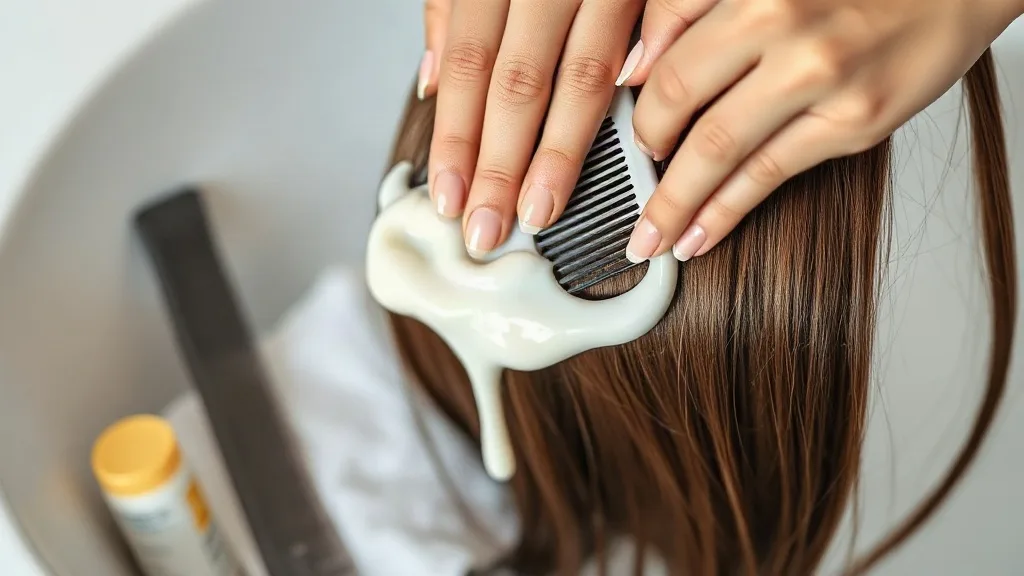
Let's be honest: a wig is an investment. Whether you've spent hundreds on a human hair lace front or you're caring for a trusty synthetic piece, how you wash it can make the difference between a wig that lasts for years and one that frizzes out in months. I've been in the wig business for over a decade, and I've seen it all—from glorious transformations to tragic tangles. The good news? Washing your wig correctly isn't complicated. It just requires the right products, a gentle touch, and a little patience. In this guide, I'll walk you through every step, from choosing the right shampoo to drying your wig without damaging it. Trust me: your wig will thank you.
Why Washing Your Wig Correctly Matters
Wigs, like natural hair, accumulate oil, sweat, dust, and styling product residue. If you don't wash them, they become dull, stiff, and even smelly. But overwashing or using the wrong technique can strip moisture, loosen knots, and cause shedding. The key is balance: clean your wig when it needs it, and do it gently. For human hair wigs, proper washing preserves the cuticle and keeps hair soft and shiny. For synthetic wigs, it prevents the fibers from becoming frizzy and matted. Plus, a clean wig looks more natural and feels more comfortable—so you'll wear it with confidence.
Know Your Wig: Human Hair vs. Synthetic
Before you reach for the shampoo, know what you're working with. Human hair wigs can be washed much like your own hair, though you should use gentle, sulfate-free products to protect the cuticle. Synthetic wigs, on the other hand, are made of fibers that can be damaged by harsh chemicals and high heat. They require specially formulated synthetic wig shampoo and conditioner, or at least a very mild, alcohol-free cleanser. Never use regular shampoo on a synthetic wig unless it's explicitly labeled safe for synthetic hair. And when in doubt, check the manufacturer's care label—it's there for a reason.
- Human hair: can use sulfate-free shampoo and conditioner; can be styled with heat tools on low settings.
- Synthetic: use synthetic wig shampoo; avoid heat; air dry only.
- Blends: treat as synthetic for washing, but check label for specific care.
Gather Your Supplies
You don't need a salon's worth of products, but having the right tools makes the process smoother. Here's what I recommend keeping on hand:
- A wide-tooth comb or wig brush (for detangling before and after washing)
- Sulfate-free shampoo (for human hair) or synthetic wig shampoo
- Moisturizing conditioner or deep conditioner (human hair) or synthetic wig conditioner
- A clean basin, sink, or large bowl
- A wig stand or mannequin head
- A soft towel (microfiber is best)
- A spray bottle with cool water
- Optional: wig cap or net to protect the cap during washing
Step 1: Pre-Wash Preparation
Never wash a tangled wig. Start by gently detangling your wig using a wide-tooth comb or a brush designed for wigs. Work from the ends up to the roots, holding the hair near the base to avoid pulling. If you have a lace front, be extra careful around the lace—it's delicate. Once detangled, turn the wig inside out (if possible) and brush the inside of the cap to remove any loose hairs or debris. This step prevents knots from tightening during washing, which can lead to permanent tangles.
Step 2: The Wash – Shampooing Your Wig
Fill a basin or sink with cool to lukewarm water. Hot water can damage both human hair and synthetic fibers, so keep it cool. Add a small amount of shampoo—about a dime-sized dollop is enough for most wigs. Swirl the water to distribute the shampoo, then immerse your wig. Gently swish it around, and use your fingers to softly massage the shampoo through the hair, working from the cap down to the ends. Never scrub or rub the hair vigorously, and avoid bunching it up. For the cap area, use a soft toothbrush or your fingertips to clean gently. Rinse the wig under cool running water until the water runs clear. If your wig is very dirty, you can repeat the shampoo, but usually one wash is sufficient.
Step 3: Conditioning and Deep Treatment
Conditioner is your wig's best friend. After shampooing, apply a generous amount of conditioner from mid-lengths to ends, avoiding the cap and roots (which can cause shedding). For human hair wigs, you can use a deep conditioning mask once a month for extra softness. For synthetic wigs, use a conditioner specifically designed for synthetic fibers—or skip it if your wig is pre-styled and you don't want to weigh it down. Let the conditioner sit for 2-3 minutes, then gently comb it through with a wide-tooth comb to distribute evenly. Rinse thoroughly with cool water. Any residue left behind will attract dirt and make your wig look greasy.
Step 4: Rinsing and Removing Excess Water
Rinsing is straightforward: use cool water and gently swish until no suds remain. Once rinsed, gently squeeze excess water from the hair—don't wring or twist. Lay the wig flat on a clean, soft towel, and roll the towel around it to blot out moisture. Avoid rubbing the hair with the towel, as this can cause frizz and damage. If you're in a hurry, you can use a second towel to blot more, but never use a hair dryer on a high setting at this stage.
Step 5: Drying – Air Dry vs. Blow Dry
For synthetic wigs, air drying is non-negotiable. Place your wig on a wig stand or mannequin head in a well-ventilated area, away from direct sunlight and heat sources. Let it dry naturally—this can take several hours or overnight. Never use a blow dryer, curling iron, or straightener on a synthetic wig unless the label explicitly says it's heat-resistant (and even then, use low heat). For human hair wigs, you can gently blot with a towel and then air dry, or use a blow dryer on the lowest heat setting with a diffuser attachment. If you must blow dry, keep the dryer moving and at least six inches away from the hair. Always use a heat protectant spray before any heat styling.
Step 6: Styling and Finishing Touches
Once your wig is completely dry, you can style it as desired. For human hair, use a wide-tooth comb or brush to detangle, then style with heat tools on low to medium settings. For synthetic wigs, use your fingers or a wide-tooth comb to arrange the style; you can also use a little synthetic wig spray or serum to tame flyaways. If your wig has a lace front, you may need to reapply lace adhesive or tape after washing. Finally, store your wig on a stand or in a silk bag to keep it dust-free and ready to wear.
How Often Should You Wash Your Wig?
There's no one-size-fits-all answer. If you wear your wig daily, washing it every 10-15 wears is a good rule of thumb. If you wear it occasionally, you can go longer—maybe every 20-30 wears. Synthetic wigs tend to hold odors and oils more, so they may need more frequent washing. Human hair wigs can go a bit longer between washes, but if you use a lot of product, wash more often. Listen to your wig: if it looks dull, feels greasy, or starts to smell, it's time for a wash. Overwashing can dry out human hair and cause synthetic fibers to frizz, so don't overdo it.
Common Mistakes to Avoid
- Using hot water – always use cool or lukewarm water.
- Using regular shampoo on a synthetic wig – it can damage the fibers.
- Scrubbing or twisting the hair – treat it like delicate lingerie.
- Brushing a wet wig – use a wide-tooth comb and be gentle.
- Drying with high heat – air dry synthetic wigs; use low heat on human hair.
- Skipping conditioner – it's essential for softness and manageability.
- Washing too often – clean when needed, not on a strict schedule.
Conclusion: Keep Your Wig Looking Its Best
Washing your wig the right way is a simple act of self-care—for your wig, and for your confidence. With the steps above, you'll keep your wig looking fresh, feeling soft, and lasting longer. Remember: gentle products, cool water, and patience are your best tools. And if you're ever unsure, don't hesitate to reach out to a professional or consult the manufacturer's guidelines. After all, a well-cared-for wig is a wig you'll love to wear. Now, go ahead and give your wig the spa day it deserves.