
There is a moment every wig wearer knows. You're standing at the sink with a plastic basin in one hand and a very expensive hairpiece in the other, genuinely unsure whether you're about to rescue it or ruin it. Wash it too often and you strip the life out of it. Wash it too rarely and it starts to smell like the inside of a hat. Nobody hands you a manual when you buy your first lace front, so most of us learn by trial, error, and one tragic incident with hot water and a curling iron.
I've spent years transforming into everyone from Anne Boleyn to a 1920s Ziegfeld girl on camera, which means I own wigs I wear four hours a week and wigs I wear four hours a day. The honest answer to how often you should wash your wig is: it depends — but it depends on a short list of variables you can actually measure. Once you know your fiber type, your wear pattern, and your own scalp, the schedule basically writes itself.
The Short Answer: A Wig Washing Cheat Sheet
Start here. Find the line that describes your life, then adjust up or down based on the signals in the next section.
- Daily wear, human hair, worn against your scalp: wash every 6–10 wears, or roughly every 10–14 days.
- Daily wear, synthetic: every 8–12 wears, usually every two to three weeks.
- Occasional wear (one to three times a month), human hair: every 3–6 weeks.
- Occasional wear, synthetic: every 6–10 wears, often four to eight weeks.
- Lace front installed with glue or tape: wash after every two to three installs, or sooner if adhesive residue builds along the hairline.
- Toppers and hairpieces worn under hats or beanies: every two to three weeks.
- After heavy sweating, swimming, a smoky venue, or a full stage performance: wash within 48 hours.
Why the 'Every Ten Wears' Rule Falls Apart
The popular advice to wash after ten wears is a decent starting point, but it treats every wig as if it lives the same life. A synthetic wig worn over a nylon wig cap in an air-conditioned office accumulates almost nothing. A human hair unit worn directly against a scalp that produces plenty of sebum, in a humid climate, with dry shampoo reapplied three times a week, is a completely different story.
The variables that actually move your schedule are: how much oil your scalp produces, whether you wear a wig cap underneath, how much styling product you use, whether you wear the wig while cooking or exercising, how humid your climate is, and whether you sleep in it. Sleeping in a wig is the single fastest way to need more frequent washing — and the single fastest way to wear out the cap at the same time.
Human Hair vs. Synthetic: Two Different Clocks
Human hair wigs can tolerate a fairly normal hair routine because they are, essentially, hair. They absorb moisture, they respond to conditioner, and they can be washed with the same gentle, sulfate-free products you'd use on color-treated hair. The trade-off is that they also absorb oil, product, and odor, and they can suffer from protein overload if you over-condition or use repairing masks too often. For most people, human hair needs washing more frequently than synthetic — but it also forgives more when you do it.
Synthetic fiber is the opposite. It has a factory-set curl or wave pattern that behaves like a memory, and every wash is a small negotiation with that memory. Hot water, harsh detergent, and heavy agitation gradually relax the pattern, roughen the fiber, and dull the sheen. Synthetic wigs also carry a light coating that helps them resist tangling, and aggressive washing removes it. The rule for synthetics is simple: wash less often, wash cooler, and be gentler than you think you need to be.
The Three Enemies: Sebum, Product, and Debris
Almost everything that makes a wig look tired comes down to three things accumulating in the fiber.
- Sebum: your scalp's natural oil wicks upward into the cap, the knots, and the first few inches of hair. On a lace front, oil sitting on the knots is a common cause of shedding and dullness at the part.
- Product buildup: hairspray, dry shampoo, serums, gel, and leave-in conditioner stack up invisibly. This is what makes hair look flat, greasy at the roots, and stiff at the ends all at once.
- Environmental debris: dust, pollen, cigarette smoke, cooking oil, and pet hair settle into the fiber every single day the wig is on a stand or on your head.
How to Read Your Wig's Signals
Rather than counting wears, learn to diagnose. Any one of these is a reasonable trigger for wash day:
- The part line looks dull or slightly darker than the rest of the wig.
- The hair near the cap feels tacky, waxy, or stiff to the touch.
- It smells faintly of scalp, smoke, or old hairspray when you bring it close to your face.
- The ends tangle within minutes of combing, no matter how much detangler you use.
- Styling products no longer hold, or the wig feels heavy.
- You can see visible residue or flaking along the hairline or lace.
Conversely, if the fiber still looks bright, smells neutral, and combs through cleanly, leave it alone. Cleanliness is not the same thing as freshness, and a wig that's washed too often loses its finish long before it loses its style.
Why Over-Washing Is Its Own Kind of Damage
Every wash involves wetting, swelling, friction, rinsing, and drying. That cycle is mechanically stressful. On human hair, repeated washing strips the cuticle's natural oils and can leave hair porous, dull, and prone to split ends — particularly on older units that have already been heat-styled many times. On synthetics, it's worse: the fiber gradually loses its coating, frizzes at the ends, and the curl pattern softens into something shapeless.
The cap takes a beating too. Frequent soaking weakens adhesive residues, loosens knots, and can cause the lace to fray. If your wig looks worse after washing than before, you're probably washing it more often than it needs — or being rougher with it than the fiber can handle.
A Wash Day Routine That Protects the Fiber
The method matters as much as the frequency. Here's the sequence I use whether I'm washing a shoulder-length human hair unit or a delicate synthetic period piece.
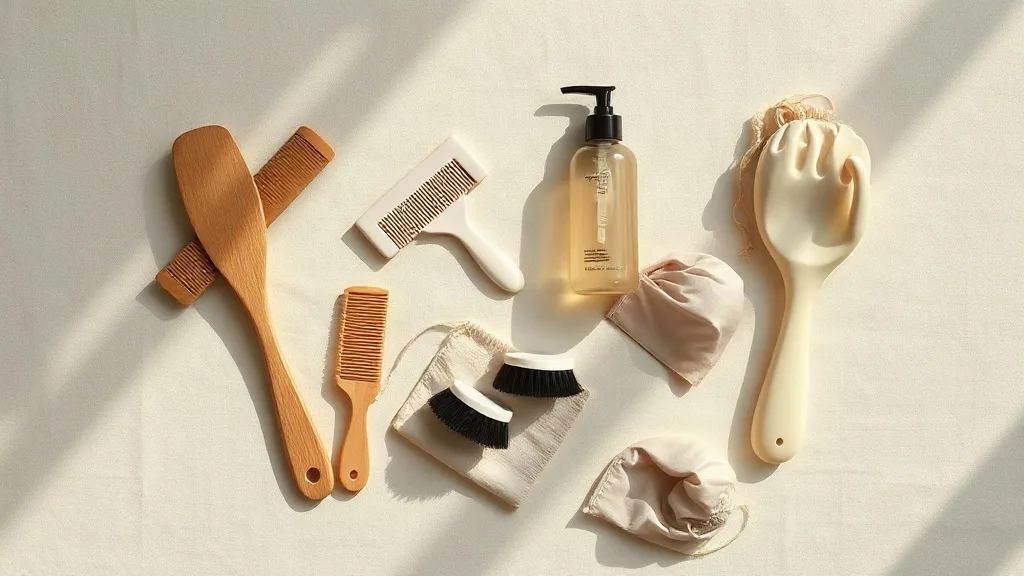
- Detangle first, while dry. Use a wide-tooth comb or a loop brush and work from the ends upward. Never start at the roots.
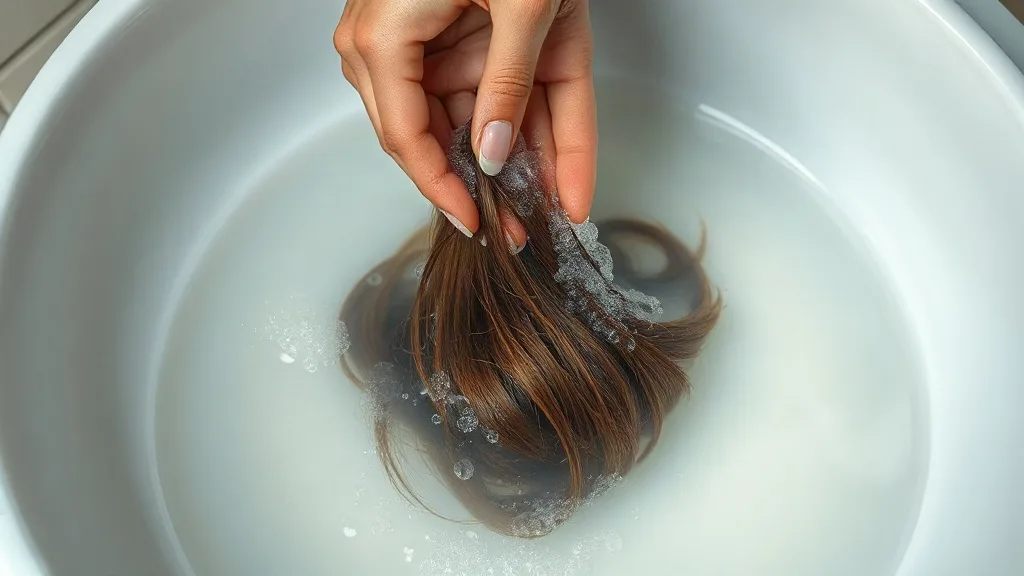
- Fill a basin or clean sink with cool to lukewarm water. Hot water is the enemy of synthetic fiber and rough on human hair cuticles.
- Add a small amount of sulfate-free wig shampoo or a gentle baby shampoo. A pea-sized amount goes a long way.
- Dip the wig and gently squeeze suds downward from cap to ends. Do not scrub, rub, or bunch the fiber.
- Rinse in clean cool water until it runs completely clear.
- Condition mid-shaft to ends on human hair. On synthetic, skip rinse-out conditioner and use a product made specifically for synthetic fiber.
- Blot with a towel. Never wring, twist, or brush a wet wig.
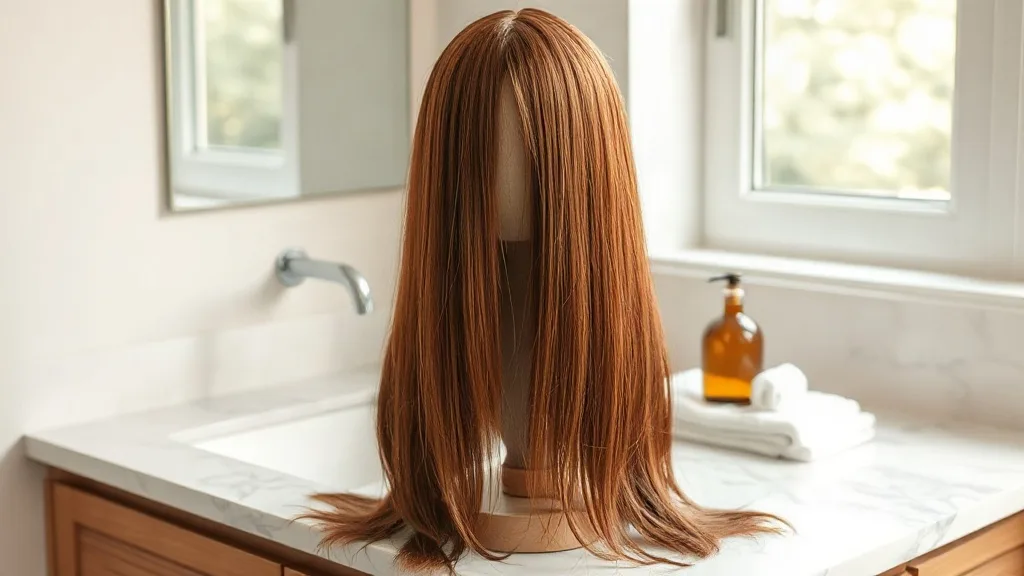
- Air dry on a wig stand or a towel-covered mannequin head, ideally overnight, away from radiators, hair dryers, and direct sun.
Lace Fronts, Closures, and Installed Wigs
Installed units have an extra layer of complication: adhesive. Glue, tape, and their removers leave residue along the hairline that can trap oil and cause the knots to shed. If you wear a lace front glued down for a week at a time, plan on washing after every two to three installs, and always remove adhesive thoroughly before you get the lace wet. Soaking a lace front in a basin is fine, but keep the agitation minimal around the knots — that's where your density lives.
Closure and frontal pieces attached to a sewn-in unit need a different rhythm entirely. Wash them on the head, in the shower, with the same care you'd give natural hair, and be careful not to scrub the lace edge. If the unit is glued rather than sewn, follow your stylist's schedule rather than a general rule.
Drying and Styling After a Wash
Synthetic wigs should air dry completely before you touch them with heat — and honestly, most should never see heat at all. If you must restyle, use the lowest setting, keep the tool moving, and test on a hidden section first. Human hair handles low-to-medium heat with a heat protectant, and a final cool shot helps set the shape.
Avoid brushing a damp wig with anything other than a wide-tooth comb or loop brush, and give the cap time to dry fully before putting the wig back on your head. A damp cap is a breeding ground for odor, and it will stretch out of shape faster than a dry one.
Scalp Health Is Half the Equation
Your wig can only stay clean as long as what's beneath it stays clean. Wash your wig caps regularly, rotate between at least two caps, and give your scalp air time between wears. If you wear a wig every single day, washing your own hair — or at least rinsing and drying your scalp — matters more than most people admit. A clean scalp means less oil migrating into the wig, which means you can stretch your wash cycle out by a week or more.
Storage Between Washes
How you store a wig determines how quickly it gets dirty. Keep wigs on a stand or a stuffed mannequin head rather than tossed in a drawer, use a silk or satin bag for travel, and keep them out of direct sunlight. If you rotate between several wigs, store each one separately so fibers don't tangle together. A light brushing before storage removes surface dust and keeps the next wear looking fresher.
My Historical-Wig Rule of Thumb
When I'm playing a Tudor queen, the wig is on my head for six hours under hot lights, with powder, hairspray, and a velvet hood working against it. That wig gets washed after every single shoot. The shoulder-length synthetic I wear for a casual 1940s look gets washed once a month, if that, because it lives on a stand in a cool room and only ever comes out for a few hours.
My working rule: if I can smell it, if it feels different than it did last week, or if the part line looks tired, it's wash day. If none of those are true, I leave it alone and spend the time on something more useful — like learning my lines. Wigs are more durable than we give them credit for, but they're also more sensitive than we treat them. Respect the fiber, and it will give you years instead of months.
The Bottom Line
There is no universal number, but there is a sensible range: every one to two weeks for daily-wear human hair, every two to four weeks for daily-wear synthetic, and every three to eight weeks for wigs you only wear occasionally. Adjust based on sweat, product, climate, and adhesive use, and always err on the side of a gentler wash rather than a more frequent one. Your wig will look better, last longer, and — most importantly — stop being something you're afraid to touch.