
As a self-proclaimed wig durability expert (and yes, I once put a wig on my cat to test its 'pounce-ability' — spoiler: it survived, but the cat was not amused), I've learned that one of the most overlooked aspects of wig care is the resting period. You wouldn't wear the same pair of shoes every day without giving them a break, so why would you do that to your wig? Let's dive into the truth about wig resting periods and why your hairpiece deserves a little R&R.
What Is a Wig Resting Period?
Simply put, a wig resting period is the time you allow your wig to sit unworn between uses. This isn't just about giving yourself a break from wig-wearing — it's about giving the fibers a chance to recover from the stress of being worn, styled, and exposed to environmental factors. Just like you need a good night's sleep, your wig needs time to bounce back.
Why Resting Matters
Wig fibers, whether synthetic or human hair, undergo daily wear and tear. Friction from your skin, tension from styling, and exposure to heat and humidity all contribute to gradual breakdown. Allowing the wig to rest lets the fibers relax, reducing the risk of tangling, matting, and shedding. In my lab (aka my living room, with my cat as my assistant), I've seen wigs that are rotated regularly last twice as long as those worn daily without a break.
- Prevents permanent creases and kinks from styling
- Reduces friction-induced frizz and tangling
- Allows the cap to air out and maintain shape
- Extends the overall lifespan of the wig
How Long Should You Rest Your Wig?
The golden rule is one day of rest for every day of wear. If you wear a wig for 8-12 hours, give it at least 24 hours off. For heavy-use wigs (like those worn for 16+ hours), aim for 48 hours of rest. This timeline isn't arbitrary — it's based on the molecular structure of synthetic fibers and the natural elasticity of human hair. I've tested this with my own collection (including one I named 'Wilma'), and the results are clear: rested wigs look better and last longer.
The Science of Wig Fibers
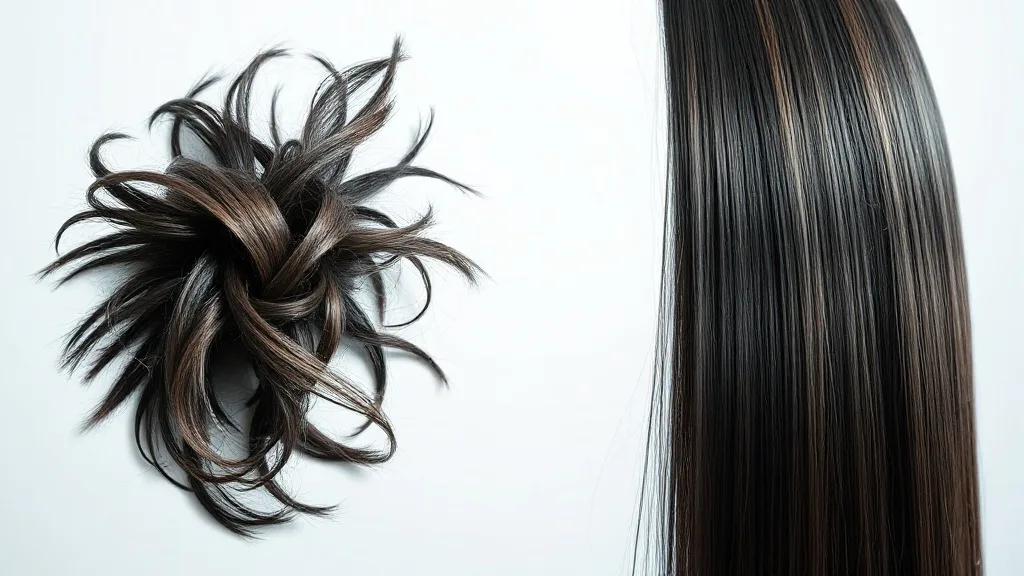
Both synthetic and human hair fibers have a 'memory.' When you style a wig — whether by curling, straightening, or simply wearing it — the fibers are deformed. Over time, they can lock into that deformed state if not allowed to relax. Resting gives the fibers a chance to return to their original shape. Think of it like a spring: if you keep it compressed, it eventually loses its bounce. The same applies to your wig.
Practical Tips for Resting Your Wig
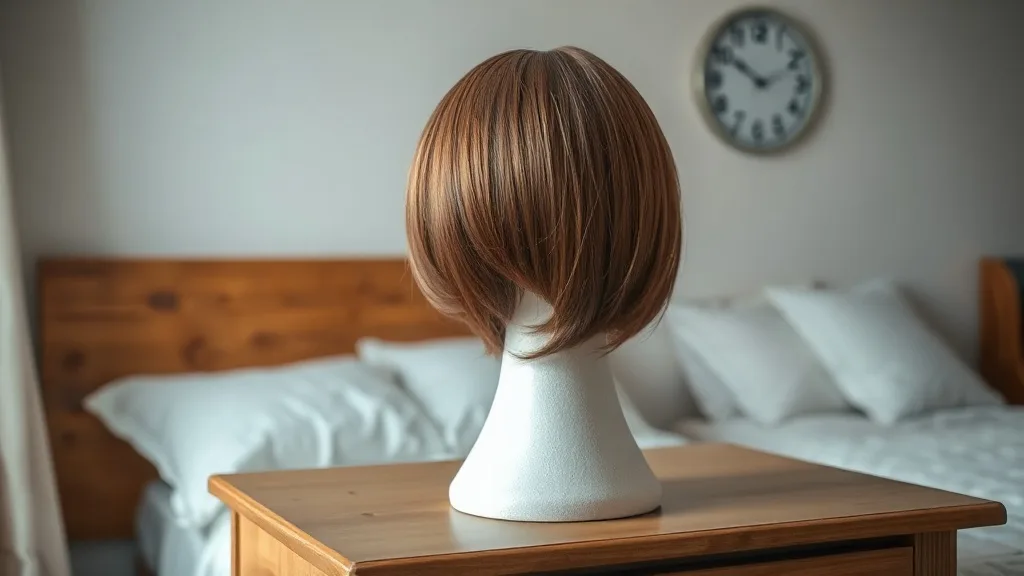
- Invest in a wig stand or mannequin head to maintain shape
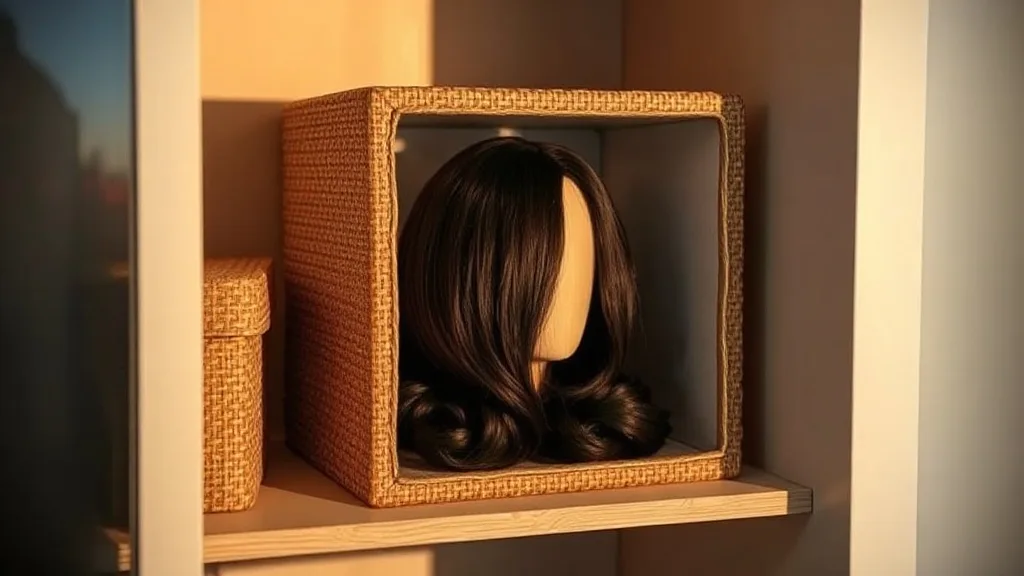
- Store in a cool, dry place away from direct sunlight
- Use a silk or satin scarf to reduce friction while stored
- Gently brush the wig before and after resting to reduce tangles
- Consider rotating between two or more wigs to extend each one's life
Common Mistakes to Avoid
- Leaving a wig in the same style for days without brushing
- Storing a dirty wig — always clean before resting
- Using a plastic bag for storage (traps moisture and causes mildew)
- Ignoring the cap — let it air out to prevent odors and bacteria
Conclusion
The wig resting period isn't just a myth — it's a science-backed strategy to keep your investment looking fabulous. Whether you're a daily wig wearer or occasional enthusiast, giving your wig time off will pay off in the long run. And if you're wondering, yes, my cat now has his own wig-free zone. But that's a story for another day. Happy resting!