When it comes to caring for your human hair wig, conditioner is a topic that sparks endless debate. Some say you need it daily, others warn it'll ruin your investment. I'm here to set the record straight. As a wig fitter who has seen thousands of wigs—both perfectly maintained and tragically destroyed—I know what works. Let's cut through the myths and get down to the truth about wig conditioner for human hair.
Why Human Hair Wigs Need Conditioner
Human hair wigs are made from real hair—often sourced from donors. Unlike your natural hair, wig hair no longer receives oils from your scalp. It relies entirely on you to maintain moisture, elasticity, and shine. Without proper conditioning, the cuticles lift, the hair becomes dry, tangled, and prone to breakage. Think of conditioner as the lifeblood of your wig.
What Makes a Good Wig Conditioner?
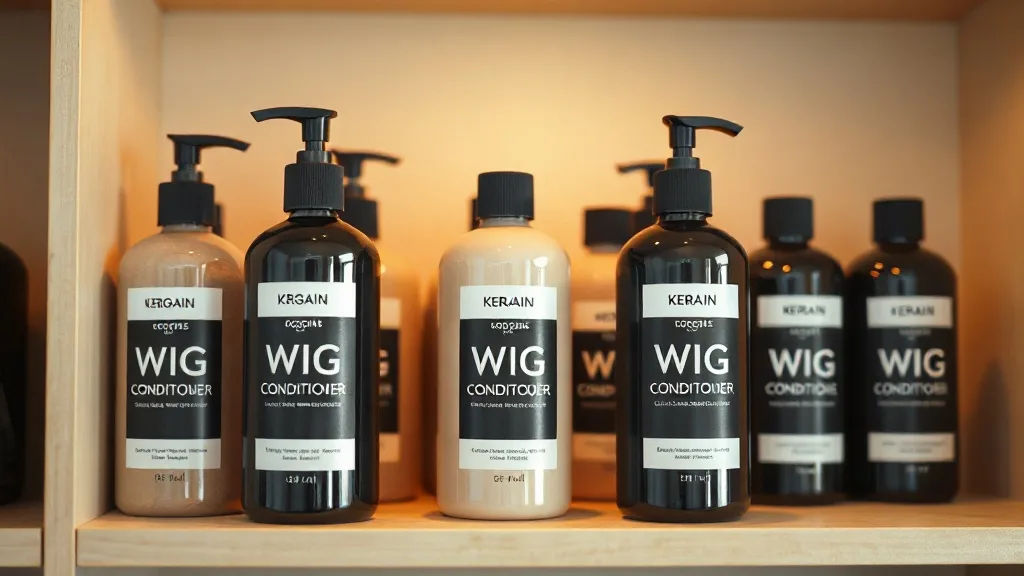
Not all conditioners are created equal. For human hair wigs, you need products free of sulfates, parabens, and alcohol. These ingredients strip natural oils and accelerate wear. Look for conditioners rich in argan oil, keratin, or silk proteins. They replenish what the wig loses and help maintain a soft, natural texture.
- Sulfate-free and gentle pH balance
- Moisturizing ingredients like argan oil or shea butter
- Lightweight formulas that won't weigh down the wig
- UV protection to prevent fading from sun exposure
How Often Should You Condition?
This depends on how often you wear your wig. If you wear it daily, condition once a week. For occasional wear, every two to three weeks is sufficient. Over-conditioning can lead to buildup and make the wig look greasy or limp. Under-conditioning leads to dryness and tangling. Find a rhythm that matches your use.
Step-by-Step Conditioner Application
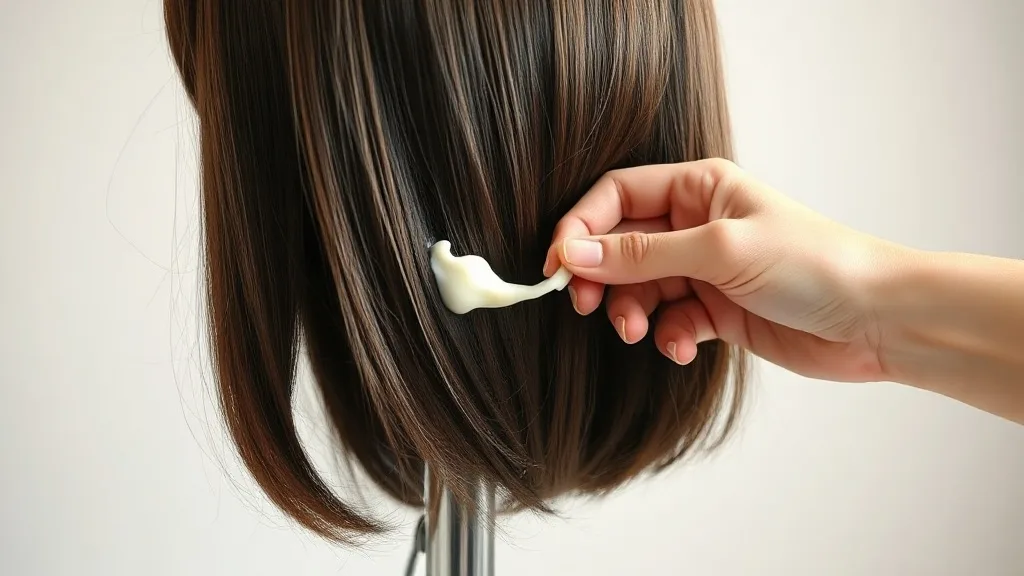
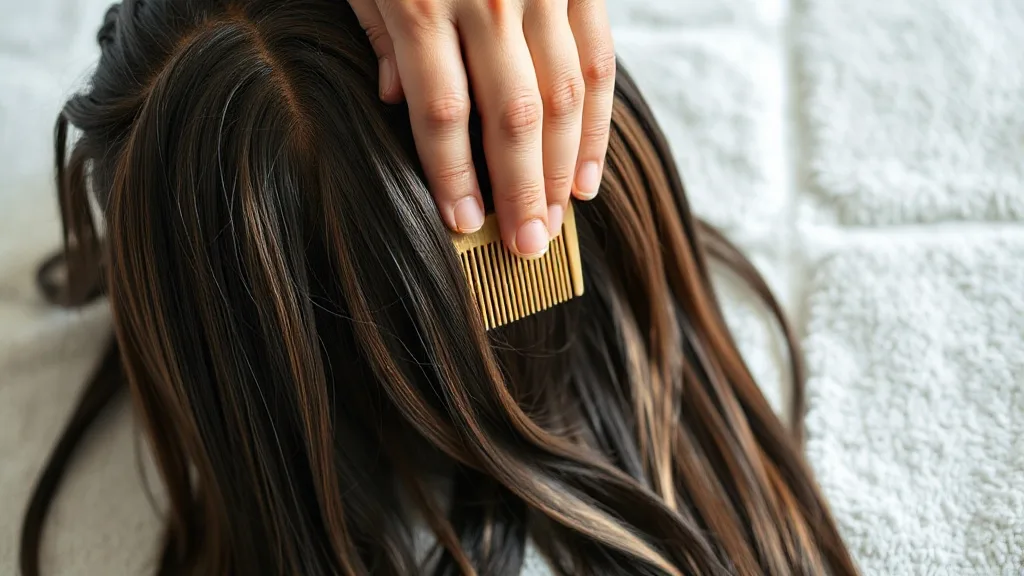
Follow this process to get the most out of your conditioner without damaging the wig construction.
Mistakes That Ruin Wigs
- Using regular hair conditioner—it's too heavy and causes buildup.
- Conditioning the roots—loosens the knots and weakens the cap.
- Skipping rinse—leftover residue attracts dirt and tangles.
- Heat styling without heat protectant—causes irreversible damage.
The Bottom Line
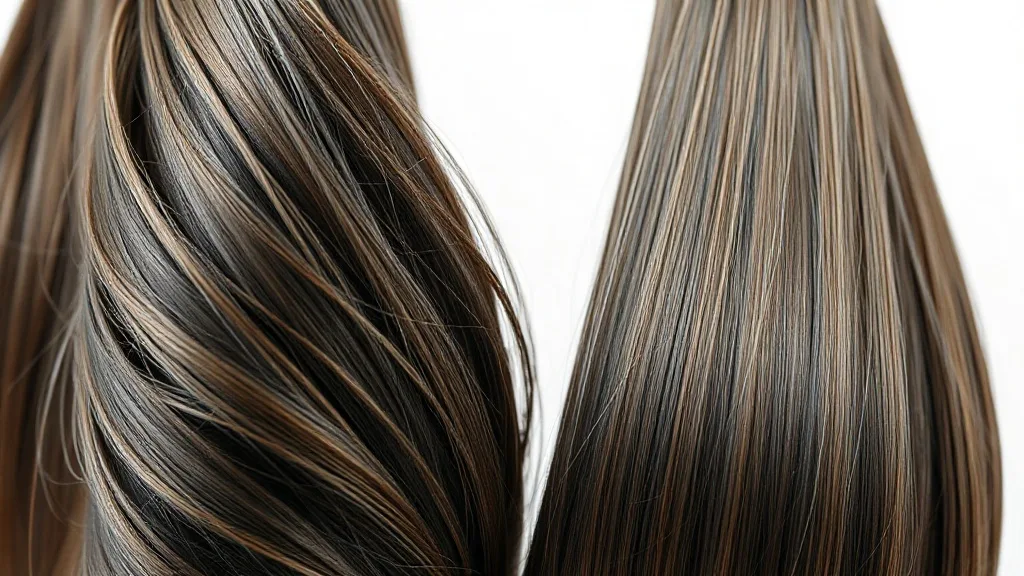
Conditioner is not optional—it's non-negotiable for keeping your human hair wig looking luxurious and lasting longer. Choose the right product, apply it correctly, and stick to a schedule. Your wig will reward you with softness, shine, and longevity. Trust me, I've seen the difference between a wig that's conditioned properly and one that's neglected. Don't let your investment go to waste.