


Introduction: The Air Drying Dilemma
Every wig wearer has faced the moment of truth: your wig is freshly washed, dripping with water, and you must decide its fate. Do you reach for the blow dryer or let nature take its course? Air drying sounds simpler, but it's often shrouded in myths and half-truths. As a wig stylist who's transformed countless ratty wigs into red carpet masterpieces, I'm here to spill the secrets. Let's dive into the reality of air drying and how to make it work like magic.
Myth #1: Air Drying is Always Safe
Many believe that air drying is the gentlest option for any wig. While it's true that heat can damage synthetic fibers, air drying isn't a one-size-fits-all solution. For human hair wigs, air drying can lead to frizz if not done properly. For synthetics, water weight can stretch the cap or distort curls. The truth? Air drying is safe when you follow the right steps—and avoid common pitfalls.
Myth #2: You Can Air Dry a Wig on a Mannequin Head
This is one of the most damaging misconceptions. Placing a wet wig on a styrofoam head can cause the cap to stretch or develop bumps as the foam absorbs moisture. Instead, invest in a wig stand designed for drying—one that allows air circulation from all sides. Your wig needs space to breathe and maintain its shape.
The Right Way to Air Dry: A Step-by-Step Guide
Step 1: Gently Remove Excess Water
After washing, never wring or twist your wig. Instead, blot it with a microfiber towel or an old t-shirt. These materials are soft and won't cause friction that leads to frizz. Lay the wig flat on the towel and press gently to absorb water, then roll the towel and press again. The goal is to remove about 70% of the moisture.
Step 2: Detangle with Care
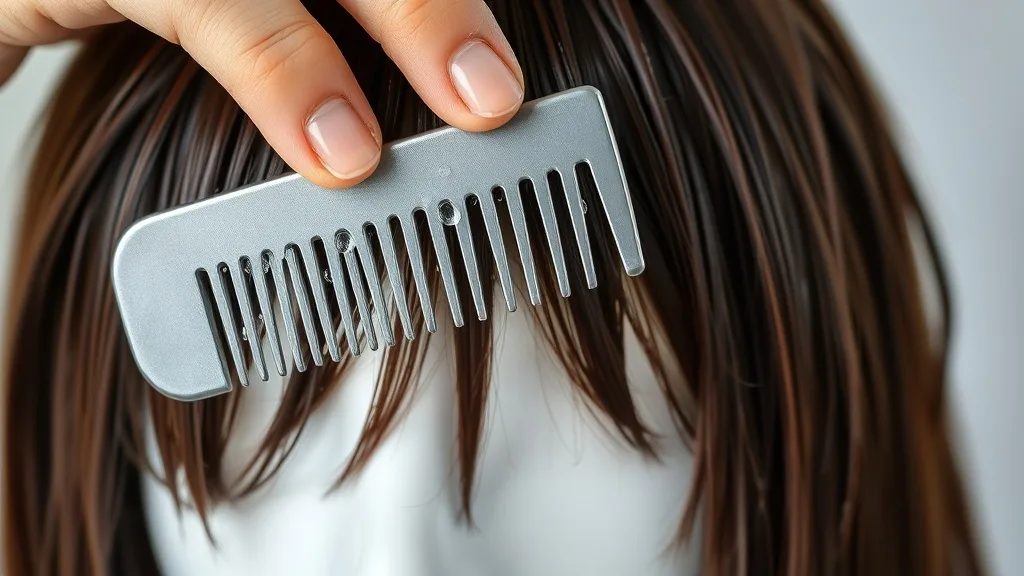
While the wig is still damp, use a wide-tooth comb or a special wig brush to detangle. Start at the ends and work your way up. For curly wigs, use your fingers or a pick to separate curls without breaking the pattern. This step prevents tangles that can set in as the wig dries.
Step 3: Place on a Proper Drying Stand
Use a mesh wig stand or a collapsible drying rack. Place the wig on the stand and adjust the cap to its natural shape. Ensure the wig is not touching anything else—airflow is crucial. For curly wigs, you can scrunch the curls with a bit of leave-in conditioner to encourage definition.
Step 4: Choose the Right Environment
Air drying works best in a well-ventilated room with moderate humidity. Avoid direct sunlight, which can fade colors and weaken fibers. A fan on low speed (not directed straight at the wig) can speed up the process. Under ideal conditions, a wig can dry in 4-8 hours. For thicker wigs, it may take up to 24 hours.
Step 5: Finish with a Little Magic
Once the wig is completely dry, it may need a refresher. For synthetic wigs, a quick steam or a dip in hot water can reset curls. For human hair, use a tiny amount of argan oil to add shine. Brush or shake the wig to revive its volume. Your wig is now ready to slay!
Tools of the Trade: What You Need for Perfect Air Drying
- Microfiber towel or old cotton t-shirt – for blotting
- Wide-tooth comb or wig brush – for detangling
- Mesh wig stand or folding drying rack – for air circulation
- Leave-in conditioner or wig shine spray – for finishing
- Fan (optional) – to speed drying
Common Mistakes to Avoid
- Drying a wig on a styrofoam head – causes stretching and bumps
- Using a regular towel – rough fibers cause frizz
- Placing in direct sunlight – fades color and damages fibers
- Leaving the wig in a closed bathroom – high humidity prolongs drying
- Not detangling before drying – leads to tangles and matting
When to Avoid Air Drying
Sometimes, heat styling is necessary. If your wig is extremely tangled or needs a quick reset, a blow dryer with a diffuser on low heat can be a better option. For synthetic wigs, never use high heat—it can melt the fibers. Air drying is ideal for routine maintenance, not emergencies.
Conclusion: Embrace the Air Drying Magic
Air drying is a gentle, effective method when done right. It preserves the life of your wig and keeps it looking fresh. With these tips, you can turn the everyday chore of drying into a transformative ritual. Your wig is an investment—treat it like one. For more care tips and styling tricks, explore the Care category at Wigplace. Happy drying!