

In the children's hospital where I work, we keep a shelf of wigs in a sunny little room off the play area. Early in my career, I watched a girl of about seven pull her favourite wig off that shelf, and it came away in a tangle — flattened at the crown, frizzy at the ends, and stretched across the front where someone had hung it on a hook. She looked at it, then at me, and said, "It's broken." It wasn't broken. It had simply been stored badly. That afternoon changed the way I think about wig storage, and I've been a little bit obsessive about it ever since.
Storage is the unglamorous half of wig care. We spend hours choosing a cap construction, matching a colour, trimming a lace front — and then we drop the wig into a plastic bag and shut the drawer. A wig that is stored well keeps its shape, its shine, and its lifespan. A wig that is stored poorly develops frizz, tangles, mildew, and permanent kinks that no amount of styling can undo. Here are the dos and don'ts I share with families, in the order I usually share them: stands first, then boxes, then travel.
Know What You're Storing Before You Store It
Storage advice only makes sense once you know what's on the stand. Human hair, standard synthetic, heat-friendly synthetic, and lace-front pieces all have different tolerances, and a topper or a set of clip-in hairpieces has its own small set of rules. If you're not sure what you have, check the label or your original product information before you decide where it lives.
- Human hair: needs some moisture balance, so avoid long spells in very dry, hot air. Silk lining and a breathable box suit it well.
- Standard synthetic: sensitive to heat and friction. Keep it away from radiators, sunny windowsills, car dashboards, and rough fabrics.
- Heat-friendly synthetic: can take some styling heat, but still dislikes prolonged warmth, so cool, dry storage matters.
- Lace fronts: the lace is the most fragile part. Pressure, hanging, and long-term tension distort the hairline, and that distortion is often permanent.
- Toppers and hairpieces: smaller and easier to lose, so give them their own bag or compartment rather than tossing them in with a full wig.
Wig Stands: The Dos
A good stand is the single best storage purchase you can make. It holds the cap in something close to the shape of a head, which keeps the crown from collapsing and the lace from creasing. It also gives air room to move through the cap after washing.
- Do match the stand to the cap size. A child's cap stretched over an adult canvas block will loosen over time; a large cap on a tiny styrofoam head sags at the sides.
- Do use a canvas block or a smooth dome stand for washing, drying, and any styling work, and a lighter tripod or table stand for everyday resting.
- Do slip a wig cap or a clean silk scarf over the stand before you set the wig down. It protects the inside of the cap from rough surfaces and from any residue on the block.
- Do make sure the stand is completely dry and clean before use. A damp block is a mildew farm.
- Do let a freshly washed wig dry fully on the stand — inside and out — before it goes into any bag or box.
- Do keep the stand in a shaded, well-ventilated spot rather than in a hot car or a steamy bathroom.
Wig Stands: The Don'ts
- Don't leave a lace-front wig stretched over an oversized block for weeks on end. The lace will relax, the hairline will widen, and the front will stop sitting flat.
- Don't park a stand in direct sunlight or beside a radiator. Colour fade and fiber frizz happen faster than most people expect, and neither can be reversed.
- Don't pin through the lace to hold a wig in place. Use T-pins at the block's edge and let the lace rest naturally on top.
- Don't put a wet wig on a wooden or fabric-covered stand. Wood can stain, fabric can hold damp, and both can transfer odour to the fibers.
- Don't hang a wig on a hook, a doorknob, or a nail. Hanging by the cap edge or the nape stretches the cap and pulls the hairline out of shape.
- Don't leave a wig on an open stand indefinitely. Dust settles into the fibers, and open display means more contact with hands, pets, and sunlight. A stand is for drying, styling, and short-term resting — not year-round display.
Boxes and Bags: The Dos
For anything longer than a few days, a box or bag is the better home. The goal is simple: protect the hair from friction and dust while still letting the fibers breathe. That balance is what separates storage that extends a wig's life from storage that quietly ruins it.
- Do choose something that breathes — a cotton-lined wig box, an archival-quality cardboard box, or a fabric storage bag designed for wigs.
- Do line the box with acid-free tissue or a clean cotton pillowcase. Silk is even better against the hair itself.
- Do put the wig into a satin or silk bag first, then set the bag loosely in the box. Silk reduces the friction that causes frizz.
- Do detangle completely before storing. A knot that goes into a box comes out as a worse knot.
- Do braid long wigs loosely, or gather them into a low ponytail with a satin scrunchie, then coil the length gently into the box without sharp folds.
- Do give toppers and clip-in pieces their own small bag, with the clips closed, so they don't snag the main wig or each other.
- Do store boxes in a cool, dry, dark place with a fairly steady temperature — a wardrobe shelf is usually ideal.
- Do label the box if you own several wigs. A quick note saves you from unpacking four boxes to find the one you want.
Boxes and Bags: The Don'ts
- Don't store a wig in a sealed plastic zipper bag for weeks at a time. Trapped moisture leads to condensation, musty smells, and mildew in the cap. Sealed plastic is fine for a day or two of travel if the wig is bone dry.
- Don't cram a wig into a crowded drawer where other items press on the cap. Flat crowns and bent lace come from weight, not from age.
- Don't store wigs next to strongly scented things — perfumes, scented candles, fabric softener sheets. Hair fibers absorb odour and hold it.
- Don't use newspaper or printed tissue as wrapping. Ink transfers, especially in humid weather.
- Don't stack heavy boxes on top of a wig box, and don't store boxes under the bed where they get crushed and collect dust.
- Don't store anything damp. Ever. If you're not sure, leave it on a stand for another few hours.
- Don't use cedar chests or mothballs. Cedar oil and mothball vapour are difficult to remove from hair, human or synthetic.
Travel: The Dos
Travel is where most wig damage happens, because we pack in a hurry and we pack tight. A little planning protects your investment far better than hoping for the best.
- Do use a dedicated travel wig box or a hard-shell case with a dome insert. It costs less than a replacement wig.
- Do lightly stuff the crown with acid-free tissue or a soft rolled cloth so the cap doesn't collapse, then place the wig in a silk bag.
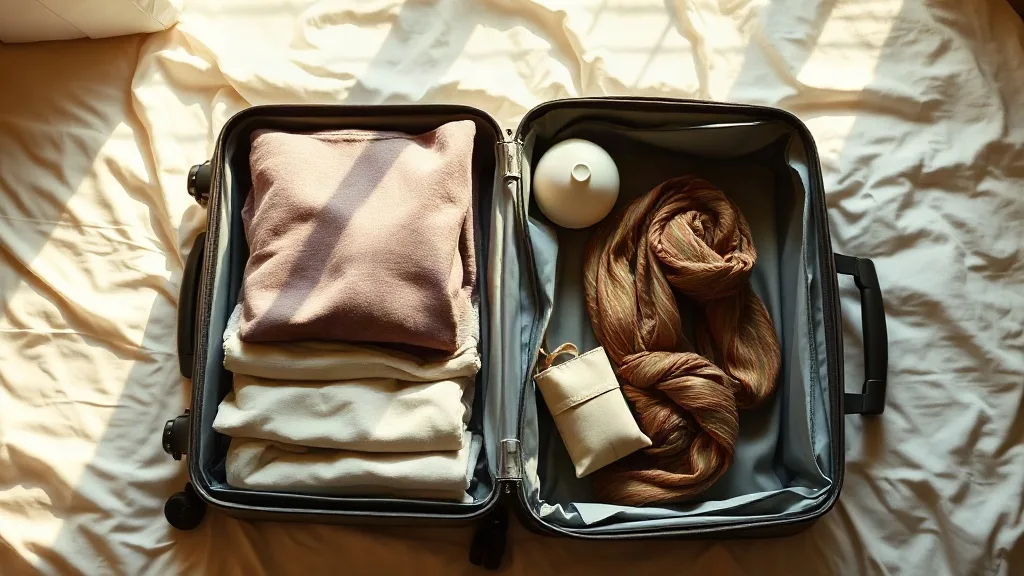
- Do roll long hair in silk rather than folding it, and carry the roll in the centre of the case where nothing presses on it.
- Do keep your wig in your carry-on when you fly. Cabin luggage avoids crushing, rough handling, and the temperature swings of a hold.
- Do ask for a private screening if you'd rather not handle your wig at airport security. You're allowed to carry it, and staff are used to the request.
- Do unpack and air the wig on arrival. Even a night out of the case helps it recover its shape.
- Do pack a small silk scarf, a wide-tooth comb, and a clean cotton bag for the return journey. A spare bag means you never improvise with a hotel laundry sack.
Travel: The Don'ts
- Don't pack a wig at the bottom of a suitcase under shoes, books, or bottles. Weight is the enemy of cap shape.
- Don't leave a wig in a hot car, or in a checked bag sitting on a sunny tarmac. Heat damages synthetic fibers quickly and permanently.
- Don't use a plastic grocery bag as travel storage, even for one trip. It offers no structure and no breathability.
- Don't pack a wet wig. If you've been swimming, rinse, blot, and dry it thoroughly on a stand before it goes anywhere near a suitcase.
- Don't use hotel hair dryers on a synthetic wig, and don't leave one resting against a hot lamp or a bathroom heater.
- Don't toss loose hairpins, brushes, or shoes into the same compartment as the wig. Any hard edge becomes a snag point in transit.
Storing Wigs for Children: A Few Extra Things I've Learned
Wigs for children face a slightly different set of hazards: smaller caps, more handling, curious siblings, and pets who think a wig on a stand is a toy. I've learned most of these lessons the hard way, usually with glitter involved.
- Keep the wig on a small stand in a low, reachable cubby. A child who can reach her own wig gains independence, and independence is worth a lot.
- Choose a stand in the child's cap size. Adult blocks will stretch a child's cap within a season.
- Store the wig well away from craft supplies. Glue, glitter, and paint do not come out of hair.
- Keep wigs in a closed wardrobe if you have cats or dogs. Claws and chewing damage caps in seconds.
- Wash wig liners and bamboo caps more often than the wig itself, and store clean liners in a small cotton or mesh bag so they don't get lost.
- Keep a spare wig cap and a soft brush in the storage box, so everything needed for a quick fix lives in one place.
- If your child wears a wig to hospital or school appointments, keep a small travel pouch in the backpack. Comfort matters more than perfect storage on those days.
Quick Troubleshooting: What Your Storage Is Telling You
- Musty or sour smell: stored damp or in sealed plastic. Air it on a stand in a dry room for a day. Don't mask it with perfume.
- Frizz at the ends: friction against a rough box, a cotton pillowcase, or a bag with a coarse lining. Switch to silk.
- Tangles at the nape: stored loose and long. Braid it loosely before it goes into the box.
- Loose, stretched lace: long-term tension over an oversized block or a hanging hook.
- Flattened crown: packed under weight, or stored stacked. Give it a dome insert or a stand next time.
- Faded colour: sunlight or heat. Move the storage spot away from the window.
- Bent, stubborn kinks in the length: the wig was folded sharply or stored coiled too tightly. Roll it loosely in silk instead.
A Simple Routine That Actually Sticks
- Nightly: stand or a satin bag, never the back of a chair or a dresser top.
- After every wash: dry completely on a stand, then bag it.
- Monthly: rotate your wigs, check for dust, tangles, and any change in the lace.
- Seasonally: deep clean, replace the tissue lining, and check that the storage spot is still cool and dry.
- Before travel: pack early, keep it in the cabin, and unpack on arrival.
The Takeaway
Good wig storage is not complicated, and it isn't expensive. It's a stand that fits, a bag that's kind to the fibers, a box that breathes, and a cool, dark, dry place to keep it. Get those four things right, and your wig will look the way it did the day you brought it home — which matters more than most people realise, especially to a child who is counting on it to feel like herself. If you take one thing from this guide, let it be this: never store a wig in a hurry. Thirty seconds of care at the end of the day buys you months of wear. And if you'd like help matching storage to your specific wig type, our guides on human hair, synthetic, and lace-front care will walk you through it step by step.