

Introduction: Why Wig Layering Changes the Game
As a lifelong toupee advocate, I've seen firsthand how wigs—yes, even toupees—are often misunderstood. One technique that consistently transforms a flat, unconvincing wig into a natural masterpiece is layering. Whether you're rocking a full wig or a discreet toupee, layering adds depth, movement, and realism. In this guide, I'll share the secrets I've learned over years of collecting and caring for wigs, focusing on how to layer like a pro while keeping your pieces in top condition.
Why Layer? The Benefits of a Layered Wig
Layering isn't just a hairstyling trend—it's a functional technique that enhances both aesthetics and comfort. A layered wig mimics the natural growth patterns of hair, reducing the dreaded 'wiggy' look. It also allows for better air circulation, which means your scalp stays cooler and your wig lasts longer. For toupee wearers, layering helps blend the piece with your own hair, creating a seamless transition that fools even the keenest eye.
Choosing the Right Base Wig for Layering
Not all wigs are created equal when it comes to layering. You need a base with enough density to support the layers without looking thin. Look for wigs with a medium to high density (130% to 150%) and a cap construction that allows for texture, like a lace front or monofilament top. For toupees, a thin skin or lace base works best because it lies flat and can be cut into. Always start with a wig that has a natural color and slight highlights—these will give your layers dimension.
- Opt for human hair or high-quality synthetic that can withstand heat styling.
- Choose a wig with a graduated length or prepare to have it cut professionally.
- Avoid overly shiny fibers, which can look artificial when layered.
The Art of Placement: Where to Add Layers
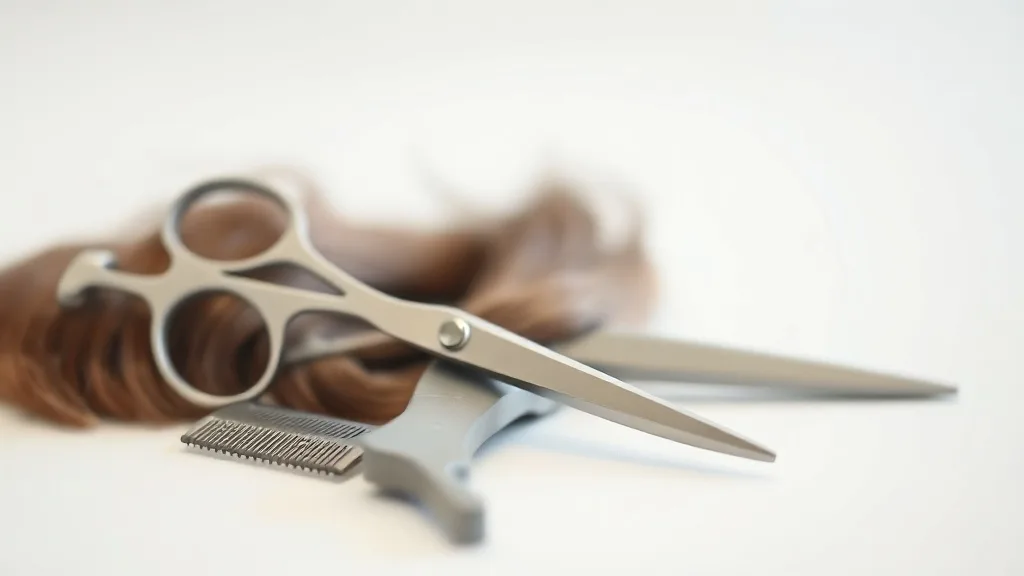
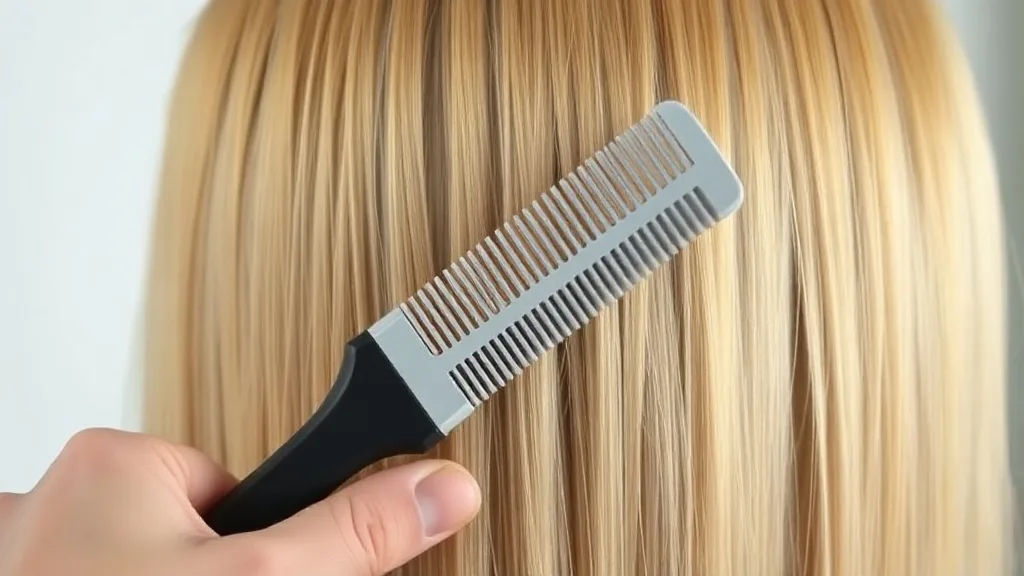
Placement is everything. For a full wig, layers should be concentrated around the face and crown to frame your features and add volume where it naturally occurs. Avoid heavy layering at the nape, which can cause tangling. For toupees, focus layers on the front hairline and sides to blend with your bio hair. Use a razor comb or thinning shears for soft, feathered ends. Remember: less is more. Start with subtle layers and build up as needed.
Blending Techniques for a Seamless Finish
The magic of layering lies in the blend. After cutting, use a wide-tooth comb to gently tease the layers together. For synthetic wigs, a steam treatment can help set the layers and reduce frizz. Human hair wigs can be flat-ironed on low heat to smooth out the layers. A light-hold hairspray will keep everything in place without stiffness. For toupees, apply a small amount of styling cream to the edges to soften the transition.
- Use a vent brush to avoid pulling on the wig cap.
- For extra realism, add a few baby hairs around the hairline.
- Experiment with different parting styles to change the look.
Care for Layered Wigs: Maintenance Tips
Layered wigs require a bit more TLC to keep their shape. Wash them less frequently (every 6-8 wears) to prevent the layers from losing their definition. Use a sulfate-free shampoo and a lightweight conditioner. Always detangle from the ends up to avoid pulling out the layers. Store your wig on a mannequin head or in a silk bag to maintain the cut. For toupees, invest in a proper adhesive remover and cleaner to extend the life of the base.
- Refresh layers with a steamer or warm water rinse between washes.
- Avoid heavy oils or silicones that can weigh down the layers.
- Get a professional trim every 3-4 months to keep layers sharp.
Conclusion: Embrace the Underdog—Layer Your Wig Today
Wigs and toupees have long been the underdogs of the hair world, but with the right techniques, they can outperform any natural hair. Layering is your secret weapon for a look that's full of life and personality. Don't be afraid to experiment—start with small changes and see how layering transforms your confidence. As always, handle your pieces with care, and they'll reward you with years of beauty.