Understanding Frizz
Frizz happens when the cuticle of each hair strand lifts, allowing moisture to swell the shaft and create a rough, unruly texture. For wigs—whether synthetic or human hair—the culprit is usually friction, heat, or improper drying. As an artist who paints wigs in watercolor, I see frizz as a stray brushstroke that disrupts the harmony of the piece. To keep your wig looking like a masterpiece, you must treat it with the same care as a fine brush.
The Golden Rule: No Rubbing
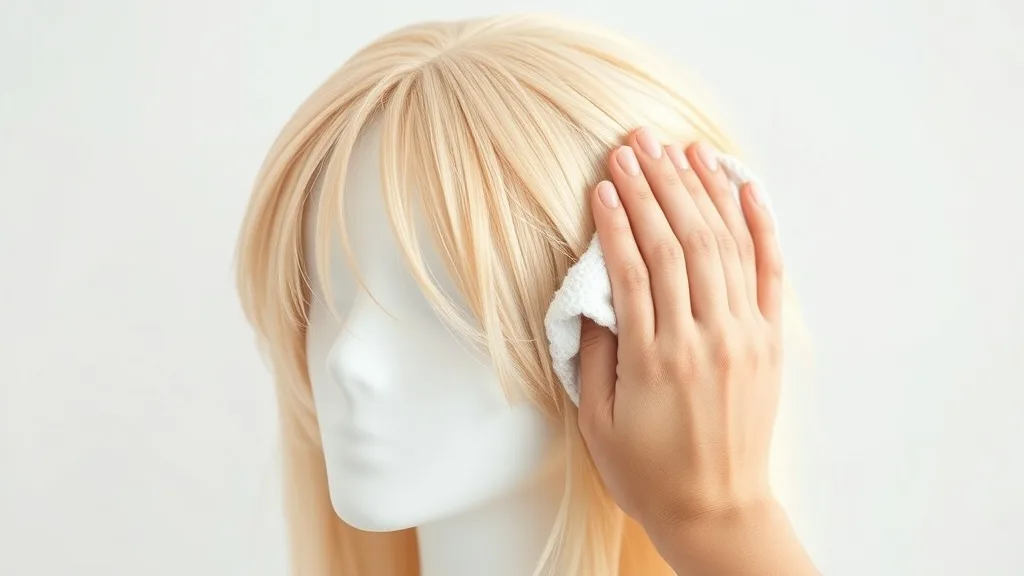
Never rub your wig with a towel. This is the cardinal sin of wig care. Rubbing creates friction that lifts the cuticles and tangles the fibers, leading to frizz. Instead, think of your wig as a delicate watercolor paper—you would never scrub it dry. You would blot it gently.
Step 1: Blot Gently
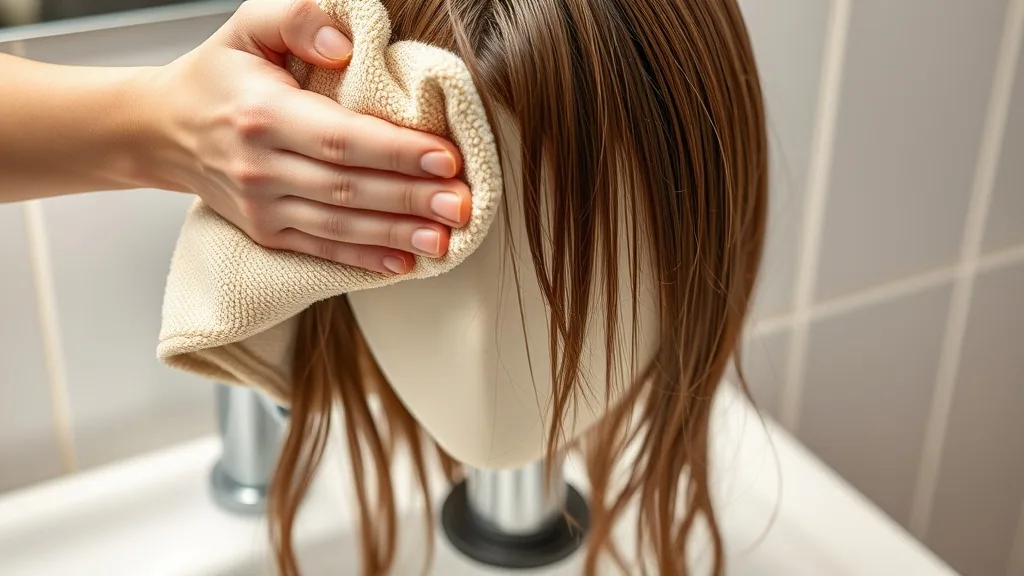
After washing, place the wig on a clean, dry towel. Use another towel to press down and absorb excess water. Work from the roots to the ends, pressing but never twisting. A microfiber towel is ideal because it is soft and highly absorbent. Repeat until the wig is just damp.
Step 2: Towel Drying with Microfiber
For synthetic wigs, you can also use a microfiber towel to gently squeeze out moisture. For human hair wigs, you can add a leave-in conditioner at this stage to help detangle and protect against frizz.
Step 3: Air Drying on a Stand
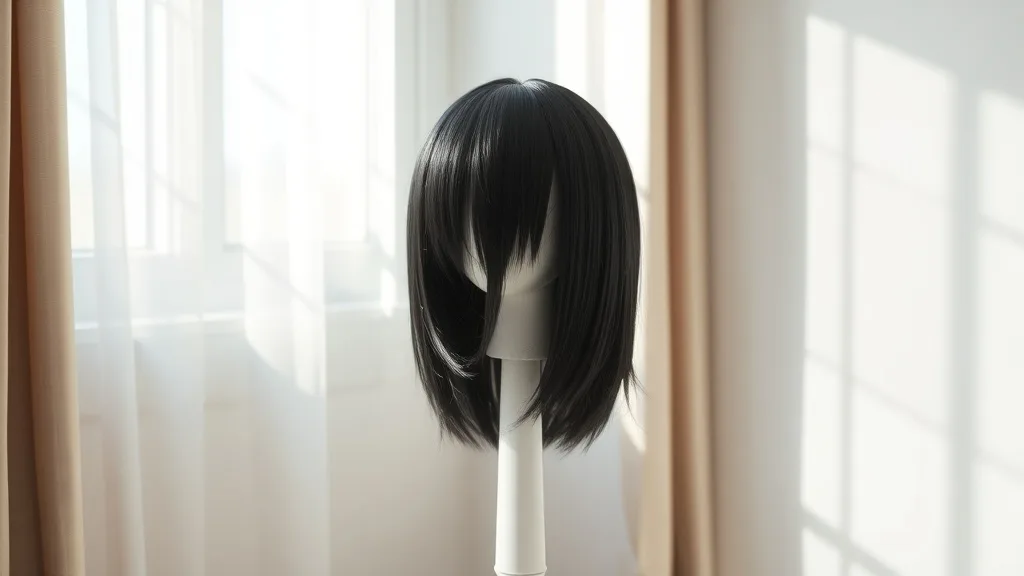
Place the damp wig on a wig stand or mannequin head. This preserves the shape and allows air to circulate. Let it air dry naturally in a well-ventilated area away from direct sunlight or heat sources. For synthetic wigs, do not use a blow dryer unless it is specifically labeled as safe for synthetic fibers—most will melt.
Step 4: Using a Diffuser (for Human Hair Wigs)
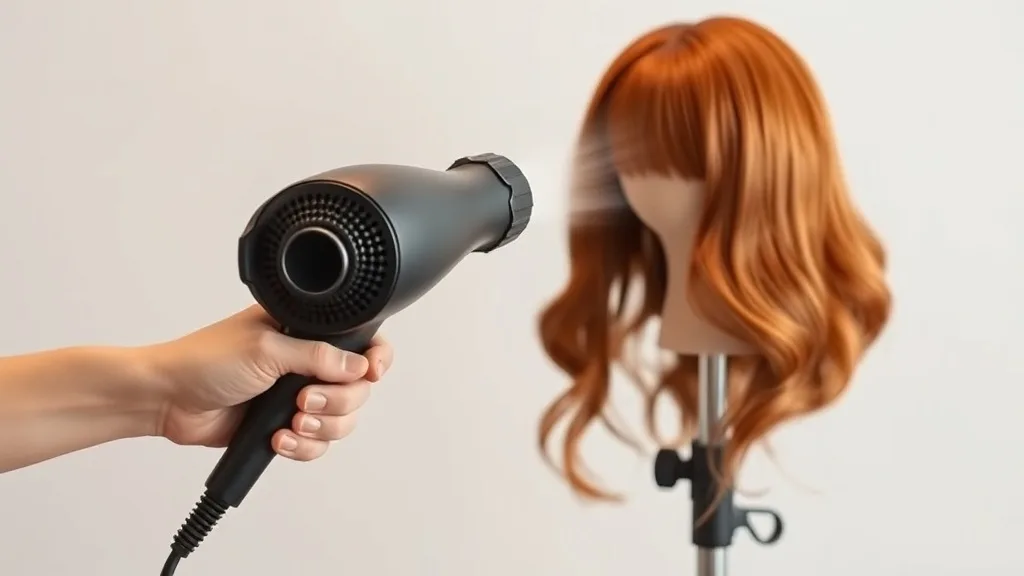
If you need to speed up the process, use a blow dryer with a diffuser attachment on low heat. Keep it at least 6 inches away and move it constantly to avoid overheating one spot. The diffuser spreads the airflow gently, reducing frizz.
Step 5: Detangling and Styling
Once the wig is completely dry, detangle with a wide-tooth comb or a wig brush. Start from the ends and work up. For synthetic wigs, you can refresh the curls with steam or hot water, but never use high heat styling tools unless the wig is heat-resistant.
Additional Tips
- Use a fabric softener or wig conditioner to reduce static and frizz.
- Sleep with your wig on a satin pillowcase to minimize friction.
- Store your wig on a stand when not in use to maintain its shape.
- For curly wigs, scrunch the curls gently as they dry to encourage definition.
Remember, every wig has its own personality. Treat it with patience and care, and it will reward you with silky, frizz-free beauty. As an artist, I’ve learned that the most beautiful results come from gentle, deliberate strokes—the same goes for drying your wig.