

As a green hair activist, I believe every strand of our wig care routine can reflect our commitment to the planet. Detangling a wig might seem like a simple chore, but the products we use and the methods we choose have a ripple effect on both our wig's lifespan and the environment. In this guide, I'll walk you through the most sustainable ways to detangle your wig with spray—from DIY recipes to mindful brushing techniques. Whether you're a seasoned wig wearer or new to the world of alternative hair, these tips will help you keep your wig looking flawless while treading lightly on the Earth.
Why Detangling Matters for Your Wig and the Planet
Regular detangling prevents matting and breakage, which extends the life of your wig—meaning fewer replacements and less waste. Many commercial detangling sprays contain silicones, parabens, and synthetic fragrances that wash into our waterways and can be harsh on synthetic fibers. By choosing eco-friendly alternatives, you avoid these pollutants and often save money by making your own spray from kitchen ingredients. Plus, gentle detangling reduces stress on the wig's cap, which is often made from non-biodegradable materials like lace or polyurethane. Keeping that cap intact means more wears per wig, and that's a win for your wallet and the environment.
Choosing an Eco-Friendly Detangling Spray
If you prefer a store-bought option, look for biodegradable, plant-based formulas free from sulfates, phthalates, and artificial dyes. Brands that package in glass or recycled plastic are even better. Check the ingredients list: aloe vera, glycerin, and essential oils like lavender or rosemary are natural detanglers that also nourish the fibers. Avoid anything labeled 'anti-frizz' that relies on heavy polymers; instead, seek light-hold alternatives. You can also buy concentrated powders or tablets to mix with water at home, reducing shipping weight and plastic waste.
DIY Natural Detangling Spray Recipe
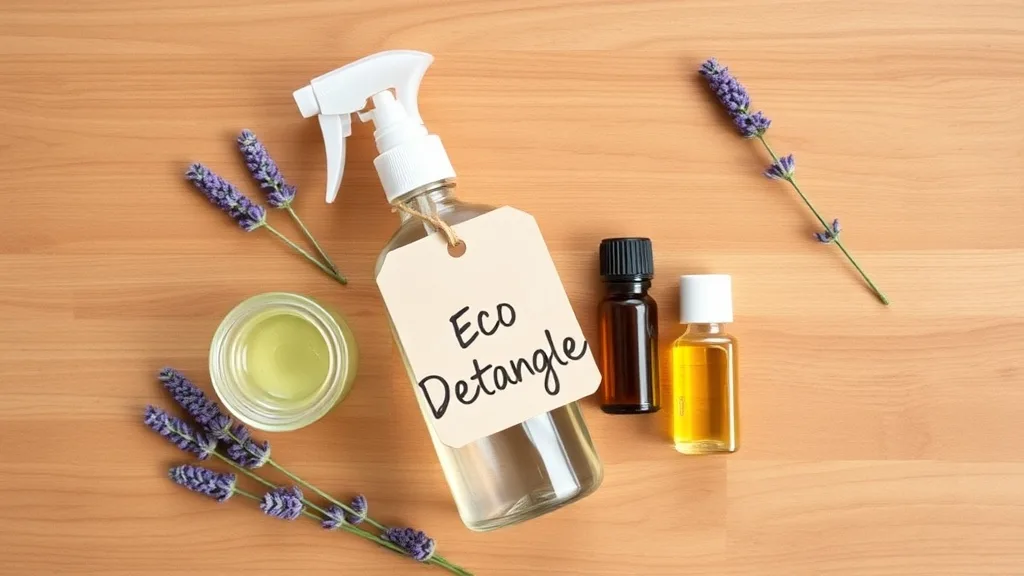
Making your own spray is surprisingly simple and ensures you know exactly what goes onto your wig. Here's a recipe that works beautifully on both human hair and synthetic wigs:
- 1 cup distilled water (tap water can leave mineral deposits)
- 1 tablespoon aloe vera gel (pure, no added colors)
- 1 teaspoon jojoba oil (or fractionated coconut oil for synthetics)
- 5-10 drops of lavender or tea tree essential oil (for scent and light detangling)
- A clean spray bottle (preferably glass or reused plastic)
Combine all ingredients in the bottle, shake well, and use immediately. This spray conditions the fibers, reduces static, and makes combing a breeze. Store in a cool place and use within two weeks if made fresh. For synthetic wigs, skip the oil to prevent buildup—substitute with a few drops of vitamin E oil instead.
Step-by-Step Detangling Process
Follow these steps for a tangle-free, eco-conscious detangling session:
Always detangle the wig when it's dry or slightly damp (not wet) to avoid stretching fibers. An evening session before bed gives the wig time to rest and dry.
Tips for Minimizing Tangles
Prevention is the greenest step of all. Here's how to keep your wig tangle-free longer:
- Store your wig on a smooth, ventilated stand—never on a hook or in a cramped drawer.
- Brush your wig gently after each wear to remove dust and tangles before they harden.
- Avoid sleeping or showering in your wig; friction and moisture cause serious matting.
- Use a silk or satin pillowcase if you wear a wig cap to bed—cotton creates friction.
- Wash your wig only when necessary; over-washing strips natural oils and weakens fibers.
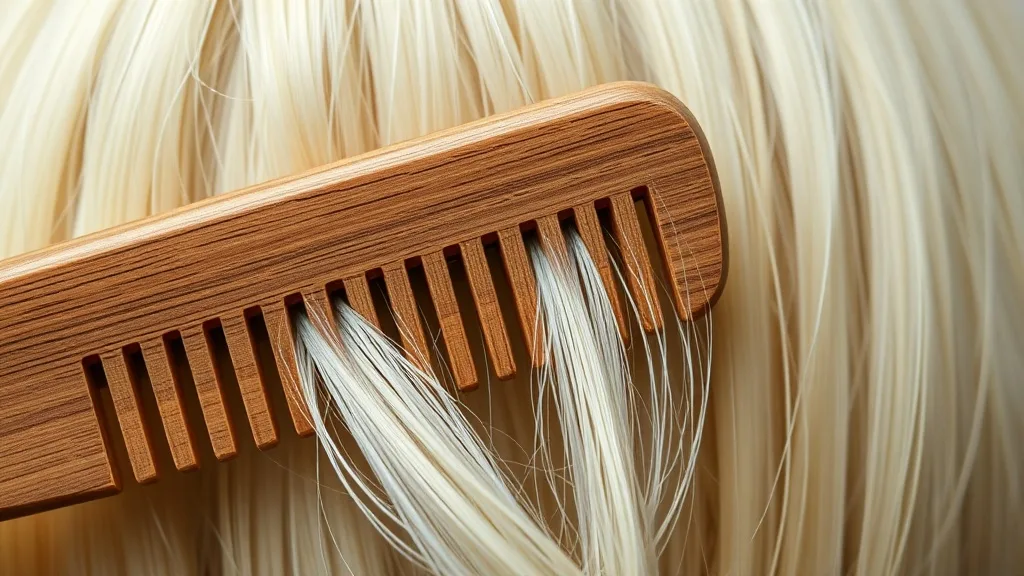
Invest in a quality wig brush with ball-tipped bristles. For synthetic wigs, a silicone-based spray (choose an eco-friendly brand) can reduce static without harmful chemicals.
Conclusion: Small Changes, Big Impact
Detangling your wig with an eco-conscious spray is a simple act that aligns your beauty routine with your values. By using natural ingredients, you reduce chemical runoff, plastic waste, and the demand for industrial hair products. Your wig will last longer, look better, and you'll feel good about every spritz. Remember, sustainability isn't about perfection—it's about progress. Each time you choose a greener method, you contribute to a cleaner planet, one tangle at a time.