Why Over-Washing Damages Wig Fibers
Every wash cycle, whether with shampoo or a mild detergent, strips the wig fibers of their protective coating. For synthetic wigs, that coating is often a silicone-based polymer layer that reduces friction and maintains shine. For human hair wigs, the cuticle layer can swell and lift, leading to tangling and dryness. By reducing washes and employing dry cleaning methods, you significantly extend the life of your wig.
The Science of Build‐Up: What Are We Cleaning?
Wigs accumulate three main types of residue: 1) Sebum and sweat from the scalp (even with a wig cap), 2) Silicone and styling product residue, and 3) Environmental particles like dust and smoke. These residues cause the fibers to stick together, lose their natural movement, and develop odors. A dry cleaning approach targets these pollutants without the mechanical agitation of water.
Method 1: Dry Shampoo for Wigs
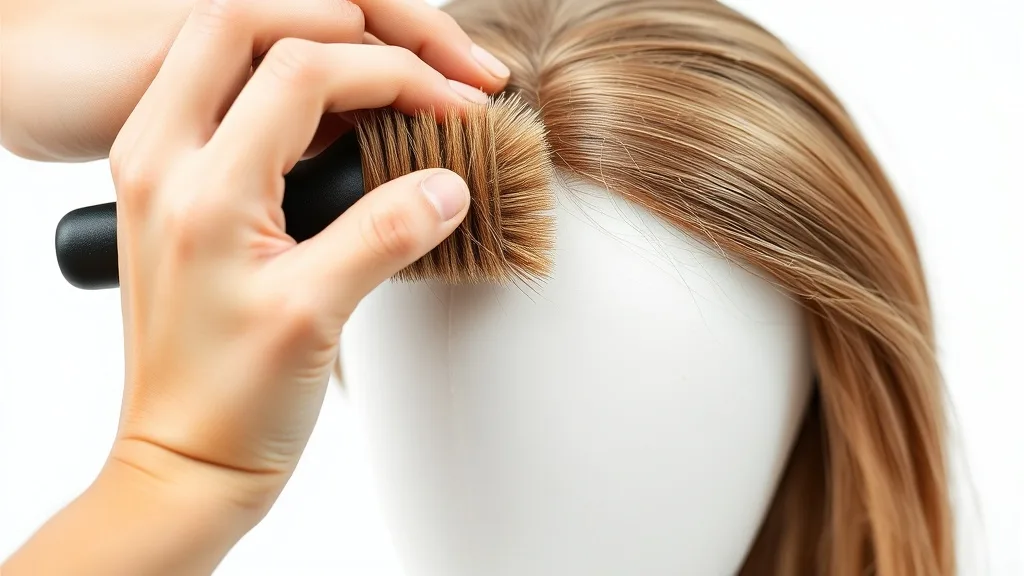
Use a dry shampoo specifically formulated for wigs (look for starches like rice or corn, not talc which can clog fiber pores). Hold the can 6 inches away, spray lightly onto the roots and wefts (not the ends), let it sit for 30 seconds, then brush through with a soft bristle brush. The powder absorbs oil and can be shaken out. For synthetic wigs, avoid dry shampoos with alcohol, which can embrittle the fibers.
Method 2: Spot Cleaning with Rubbing Alcohol (70% Isopropyl)
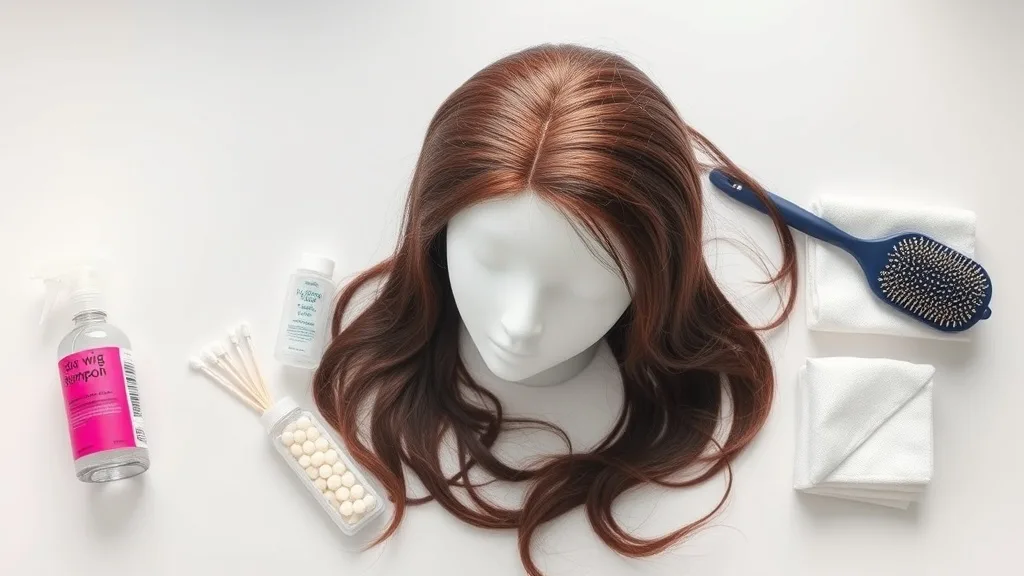
For localized stains or sticky spots, dampen a cotton swab with 70% isopropyl alcohol. Gently dab the affected area, then blot with a dry cloth. The alcohol evaporates quickly and does not damage most synthetic polymers (polyester, PVC, modacrylic) or human hair. Test on an inconspicuous weft first. This method is excellent for removing foundation or adhesive residue.
Method 3: Wig Cleansing Spray (Water‐Free)
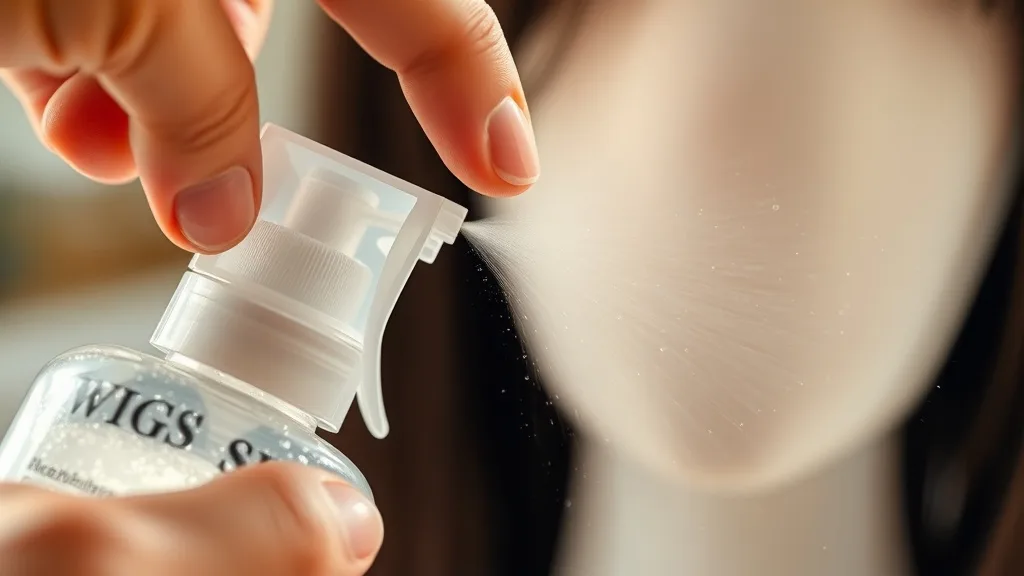
Commercial wig cleansing sprays use a combination of surfactants and solvents that lift dirt without water. Mist the spray evenly, then wipe with a microfiber cloth. The key ingredient to look for is cyclopentasiloxane – a volatile silicone that dissolves oils and leaves a silky finish. Spritzing every 5–7 wearings keeps your wig fresh.
Method 4: Deodorizing with Baking Soda
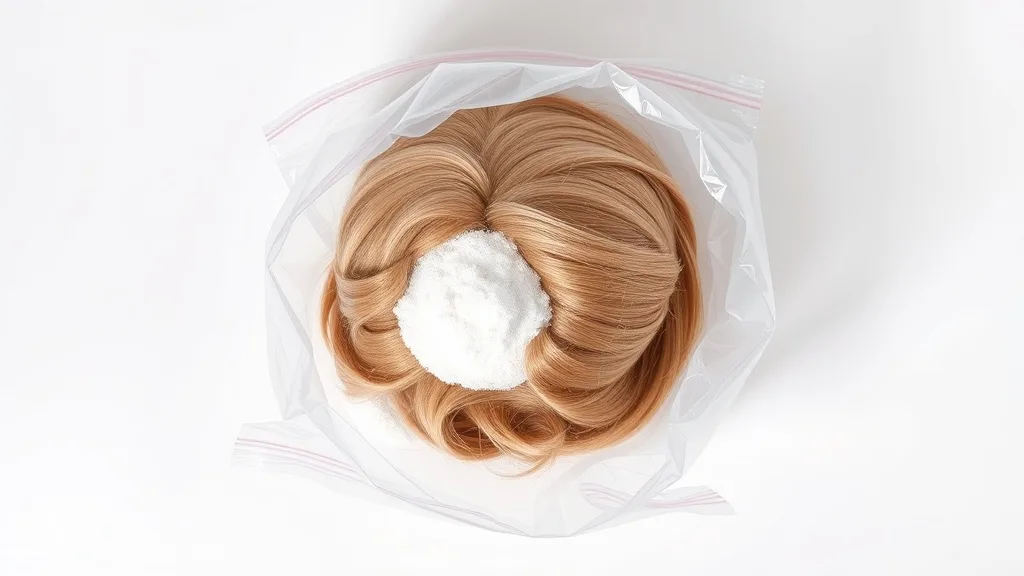
Place the wig in a sealed plastic bag with 1–2 tablespoons of baking soda. Shake gently, let it sit for 30 minutes (no longer, as the powder can settle into the cap), then remove and shake out. Baking soda adsorbs odors without moisture. For synthetic wigs, make sure the baking soda is fully removed before styling.
The Role of Brushing in Dry Cleaning
Daily brushing redistributes natural oils and loosens particles. Use a wig brush with nylon bristles (not wire) to avoid snagging. For curly or wavy wigs, use a wide-tooth comb. Brush from the ends upward, holding the wig at the wefts. This mechanical action is the most fundamental dry cleaning step.
When to Ignore Dry Cleaning and Wash Anyway
If the wig has been exposed to cigarette smoke, heavy perspiration, or if you notice a persistent odor that baking soda doesn’t remove, a full wash with a gentle shampoo is necessary. Over-reliance on dry methods can lead to buildup that eventually reduces luster. For most wigs, a dry clean every 2–3 wears and a full wash every 10–15 wears is a good balance.
Final Word from the Lab
Dry cleaning wigs is not about laziness – it’s about respecting the polymer chemistry of the fibers. By minimizing water exposure, you maintain the internal structure and surface smoothness that gives your wig its natural look. Remember: each dry cleaning session buys you more wear before the inevitable deep clean. And that’s a good thing.