

There’s a moment every wig wearer knows: you reach for your favorite unit, ready to feel like a million bucks, and your fingers meet a stubborn knot that wasn’t there yesterday. Panic sets in. You tug, you pull, you hear that tiny snap—and your heart sinks. I’ve been there. As someone who treats wig care like a mini vacation (scented mists, soft music, a tropical candle burning), I’ve learned that detangling is less about force and more about finesse. In this guide, I’ll walk you through the exact steps to detangle both human hair and synthetic wigs without damaging the fibers, so your wig stays smooth, shiny, and ready for its next adventure.
Why Wig Fibers Tangle (and Why You Shouldn't Panic)
Tangling is normal. Whether your wig is made of Remy human hair or high-quality synthetic fibers, friction, static, product buildup, and everyday wear all cause strands to wrap around each other. Human hair wigs also shed naturally, and those loose hairs can weave into knots. Synthetic fibers, while more resilient in some ways, are prone to heat damage and can become matted if brushed too aggressively. The good news? Most tangles are reversible with the right approach. The key is to relax the knot before you try to comb through it.
The Golden Rule: Never Detangle Dry (Unless It's a Quick Fix)
If you remember only one thing, make it this: dry hair snaps. When fibers are dry, they have less elasticity and are more likely to break. For human hair wigs, a light mist of water or a dedicated detangling spray adds slip and softens the knot. For synthetic wigs, you can also use a detangling spray formulated for synthetic fibers—just avoid anything with alcohol, which can dry out the fibers. I love using a scented detangler; it turns a chore into a sensory treat. Think coconut, mango, or vanilla—scents that make you feel like you're on a beach vacation, even if you're just at your vanity.
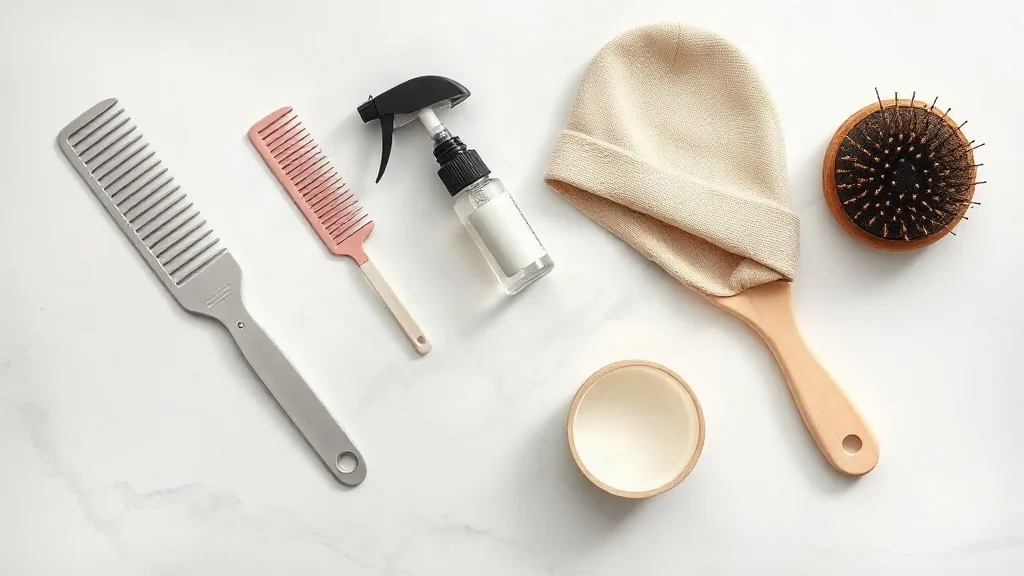
Gather Your Tools: The Wigplace Detangling Kit
Before you start, assemble your tools. You don’t need much, but the right ones make all the difference.
- Wide-tooth comb: The holy grail for detangling. It glides through knots without pulling.
- Loop brush or soft-bristle paddle brush: For smoothing and finishing. Loop brushes are especially gentle on synthetic fibers.
- Detangling spray: Choose one for your wig type. Scented options add a little luxury.
- Wig stand or mannequin head: Keeps the wig stable so you can work with both hands.
- Spray bottle with cool water: For human hair wigs, a light mist is often enough.
- Silk pillowcase or wig cap: For storage and prevention.
- Patience and good lighting: Detangling is a mindfulness exercise. Put on some relaxing music.
Step-by-Step: How to Detangle a Wig Without Damage
Step 1: Prep Your Space and Your Wig
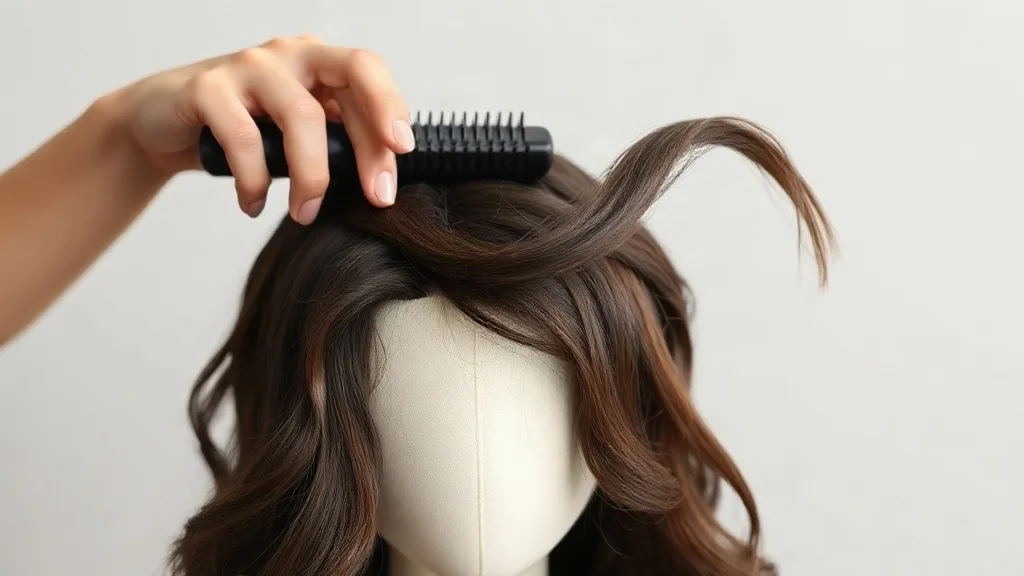
Set your wig on a wig stand in a well-lit area. If you’re working with a lace front, be extra gentle around the lace. Take a deep breath. This is not a race.
Step 2: Start from the Ends, Work Up
This is non-negotiable. Never start at the roots. Hold the wig near the mid-lengths with one hand to support the hair, and begin combing the last two inches with your wide-tooth comb. Once the ends are smooth, move up a few inches. Gradually work your way to the roots. If you hit a snag, stop. Don’t force it.
Step 3: Use a Detangling Spray or Conditioner
Mist the tangled section lightly with your detangling spray. For human hair, you can also use a leave-in conditioner diluted with water. Let it sit for a minute. Then use your fingers to gently separate the knot—think of it as teasing apart a delicate necklace chain, not yanking a rope.
Step 4: Comb with a Wide-Tooth Comb
With the knot loosened, use your wide-tooth comb to gently comb through the section. Use short, gentle strokes. If you feel resistance, go back to your fingers. Remember: the comb should glide, not scrape.
Step 5: For Stubborn Knots, Use a Loop Brush or Your Fingers
Some knots are extra stubborn. For these, a loop brush can be a game-changer. The looped bristles catch the hair without pulling. Alternatively, use your fingers to gently pick apart the knot, working from the outside in. Never use a fine-tooth comb on a tangle—it will only make it worse.
Step 6: Rinse and Condition (for Washable Wigs)
If your wig is due for a wash, now is a good time. Fill a basin with cool water and a gentle wig shampoo. Swish the wig gently—don’t rub. Rinse thoroughly, then apply a wig conditioner to the mid-lengths and ends. Let it sit for a few minutes, then rinse with cool water. For synthetic wigs, check the manufacturer’s instructions; some are washable, some are not.
Step 7: Dry and Style
Gently squeeze excess water from the wig with a towel—don’t wring. Place it back on the wig stand and let it air dry. Avoid brushing a wet synthetic wig; it can stretch the fibers. Once dry, style as desired. For human hair, you can use low heat. For synthetic, stick to cool or low heat settings.
Human Hair vs. Synthetic: Detangling Differences
Human hair wigs behave like your own hair. They can be washed, conditioned, and styled with heat tools. They also tangle more when they’re dry or dirty. Synthetic wigs, on the other hand, have a tendency to tangle at the nape and ends due to friction. They are more susceptible to heat damage, so always use cool water and synthetic-specific products. Here’s a quick comparison:
- Human hair: Can use water, leave-in conditioner, and heat tools. Detangle damp or dry with a spray.
- Synthetic: Use cool water and synthetic detanglers. Avoid heat and alcohol-based products. Detangle with a loop brush or wide-tooth comb.
- Both: Start at the ends, work up, and never force a knot.
Scented Solutions: My Favorite Tropical Detangling Sprays
I’m a firm believer that wig care should feel like a treat. That’s why I formulated my own line of scented detangling sprays—think coconut water, mango nectar, and sea salt breeze (without the drying salt, of course). But you can easily make your own. Here’s a simple recipe:
- 1 cup distilled water
- 1 tablespoon leave-in conditioner (for human hair) or synthetic detangler
- 2-3 drops of coconut, vanilla, or mango essential oil
- A clean spray bottle
Shake well and mist lightly. Always test a small area first, especially on synthetic wigs, as some oils can degrade the fibers. If you prefer store-bought, look for alcohol-free formulas with tropical scents. A little fragrance can turn a tedious task into a mini escape.
Prevention: How to Keep Your Wig Tangle-Free Longer
Detangling is easier when you prevent tangles in the first place. Here are my top tips:
- Store your wig on a stand or in a silk bag. Never toss it in a drawer.
- Use a silk pillowcase or wear a wig cap at night to reduce friction.
- Brush your wig gently every day, starting from the ends.
- Avoid heavy styling products that attract dust and cause buildup.
- Rotate your wigs to give each one a rest.
- Keep a scented sachet in your wig storage to maintain freshness.
I also love keeping a small spray bottle of my favorite detangler in my purse for quick touch-ups. A mid-day mist can refresh the fibers and your mood.
When to Call It: Signs of Irreversible Damage
Sometimes, despite your best efforts, a wig is beyond saving. Look for these signs:
- Excessive shedding that leaves thin patches
- Matted areas that won’t come apart even with detangler
- Frizzy, brittle ends that snap easily
- A rough, straw-like texture that won’t soften
If you see these, it might be time for a trim (for human hair) or a replacement. It’s okay—wigs have a lifespan, and giving yourself permission to let go is part of healthy wig care.
Final Thoughts: Detangling as Self-Care
Detangling a wig doesn’t have to be a stressful tug-of-war. With the right tools, a little patience, and a deliciously scented spray, you can keep your wig fibers smooth, shiny, and damage-free. Treat it like a mini vacation: light a candle, put on some soft music, and enjoy the process. Your wig will thank you—and so will your reflection.