
Let us begin with a confession: I have a PhD in 'Hairways.' I made that up, of course, but it sounds impressive, doesn't it? In truth, I've spent decades studying the history of wigs—from the elaborate perukes of Louis XIV to the powdered coiffures of the 18th century—and if there's one thing I've learned, it's that human hair wigs are both a marvel and a menace. They can look divine, but they tangle like the plot of a Russian novel. Fear not, dear reader. With the right tools and techniques, you can keep your wig smooth, lustrous, and free of knots. And I'll be here, pedantically correcting your terminology along the way.
Why Human Hair Wigs Tangle: A Brief, Pedantic Interlude
Human hair wigs tangle for the same reason your biological hair does: the cuticle layer—that outermost shingle-like structure—can become roughened, causing strands to catch on one another. Unlike synthetic fibers, human hair has a natural protein structure that responds to moisture, heat, and friction. The longer the hair, the more opportunities for tangling. Add in the fact that wig hair is no longer attached to a living scalp (and thus lacks the natural oils that keep biological hair lubricated), and you have a recipe for knots.
Historically, wig wearers have battled tangles since ancient Egypt. Cleopatra reportedly used a mixture of donkey milk and honey to condition her wigs—though I suspect that's apocryphal, it makes for a good story. In the 18th century, wealthy Europeans would have their wigs detangled by servants using ivory combs, a process that could take hours. Today, we have better tools. But we must still be gentle.
The Essential Toolkit: Brushes, Combs, and Potions
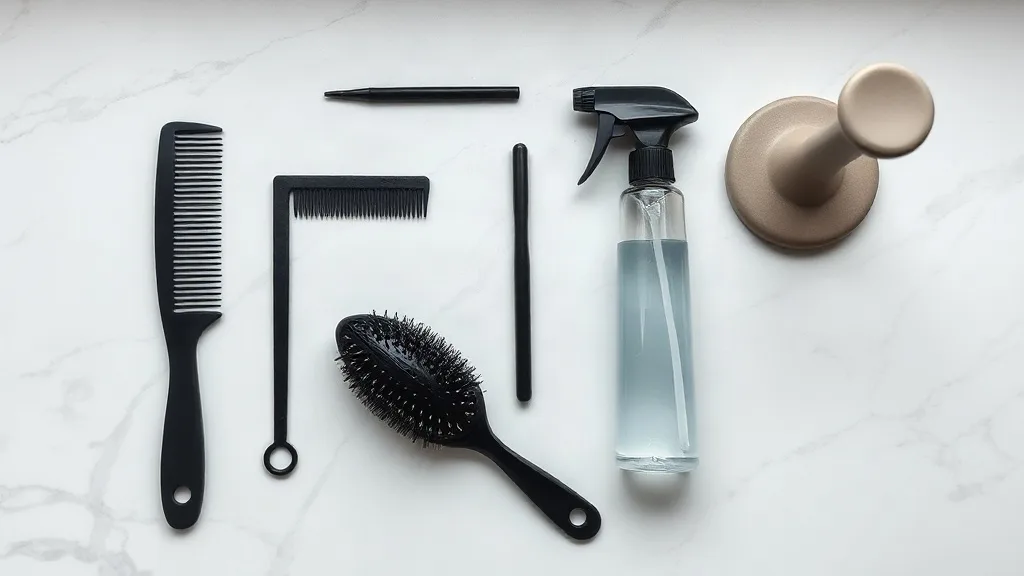
Before you begin, gather the following implements. I have tested these extensively, and I speak from experience—and from a few unfortunate incidents involving a matted wig and a pair of scissors.
- Wide-tooth comb: The first line of defense. Look for a comb with seamless teeth (saw-cut combs are ideal) to avoid snagging. Plastic is fine, but cellulose acetate or resin combs generate less static.
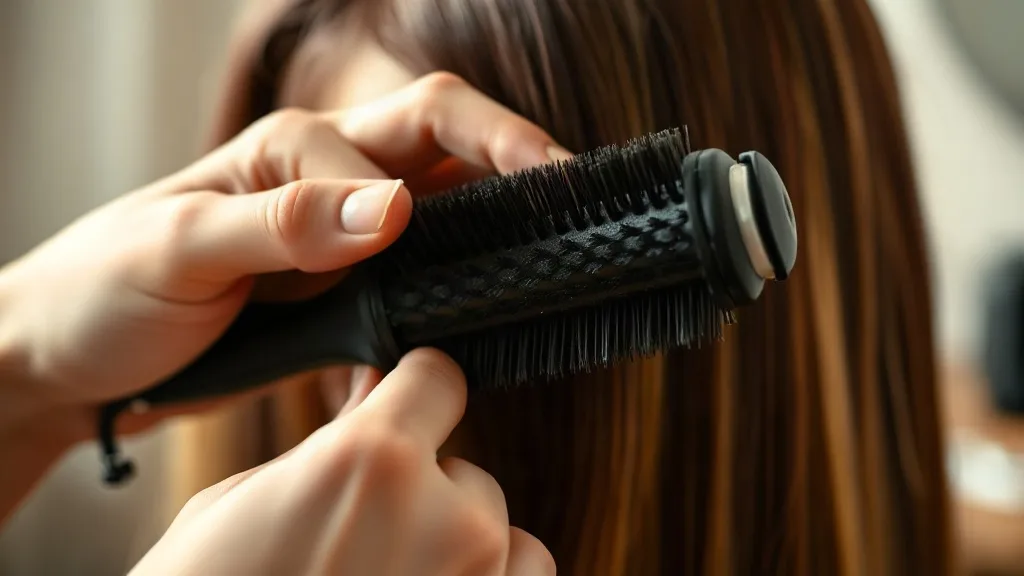
- Loop brush (or wig brush): This is the gold standard for human hair wigs. The looped bristles gently glide through knots without pulling. Denman brushes are a popular choice, but any brush with flexible, rounded bristles will do.
- Detangling spray: A leave-in conditioner or dedicated detangling spray lubricates the hair and helps knots slip apart. Look for one with silicone derivatives or natural oils—but avoid anything too heavy, which can weigh down the wig.
- Wig stand or mannequin head: Secure your wig on a stand to keep it stable while you work. This prevents you from tugging at the cap and stretching the lace.
- Wide-tooth pick or afro pick: For stubborn knots, a wide-tooth pick can help tease them apart without breaking hair.
- Silk pillowcase or wig cap: For storage, silk reduces friction and prevents tangles overnight.
Note: Avoid brushes with boar bristles (too harsh for wigs) and fine-tooth combs (they will snap hair). And never, ever use a regular hairbrush on a wig unless you enjoy hearing the sound of breaking strands. Trust me, it's a sound that haunts you.
The Step-by-Step Detangling Ritual
Detangling a human hair wig is not a race; it's a ritual. Follow these steps in order, and you'll avoid damage.
- Step 1: Prepare your workspace. Set your wig on a stand in a well-lit area. If the wig is very tangled, consider misting it lightly with water—but don't soak it, as human hair can stretch when wet.
- Step 2: Start at the ends. Using your wide-tooth comb, gently comb the last two inches of hair. Work upward in small sections, holding the hair near the base to prevent tugging. Never start at the roots—that's how you create a knot the size of a fist.
- Step 3: Apply detangling spray. Spray a light mist over the tangled areas. Let it sit for a minute. The slip will help the comb glide.
- Step 4: Switch to the loop brush. Once the major knots are out, use the loop brush in a downward motion. Again, start at the ends and work up. Be patient. If you hit a snag, stop, use your fingers to separate the strands, and try again.
- Step 5: Finish with a wide-tooth comb. Give the entire wig a final pass with the comb to ensure all tangles are gone.
- Step 6: Style and store. Once detangled, style as desired. For storage, place the wig on a stand or inside a silk bag.
I cannot emphasize enough: patience is key. I once watched a colleague try to detangle a waist-length human hair wig in five minutes. The result was a pile of hair that looked like a molting cat. Don't be that person.
Troubleshooting: When Knots Rebel
Even with the best tools, some knots are stubborn. Here's how to handle them.
- For tight knots: Use a wide-tooth pick or a pin to gently work the knot loose. Start from the outside and gradually work inward. Do not pull—you'll only tighten it.
- For matted sections: Apply a generous amount of detangling spray or a small amount of silicone-based serum. Let it sit for several minutes, then use your fingers to separate the mat. Follow with a loop brush.
- For severely matted wigs: Sometimes, the only solution is a professional wig detangling service. If the mat is close to the cap, a wig specialist can often salvage it. But if the hair is irreparably damaged, you may need to trim—or replace—the wig. I know, it's tragic.
A historical aside: In the 17th century, wigmakers would use a mixture of wine and herbs to soften tangled wigs. I don't recommend it, unless you want your wig to smell like a tavern.
Preventive Measures: Keeping Tangles at Bay
Prevention is better than cure, as the saying goes. And it's certainly better than spending an hour with a comb.
- Brush daily, but gently. Use a loop brush or wide-tooth comb to remove small tangles before they become big ones.
- Store properly. Always place your wig on a stand or a silk-lined box. Never stuff it into a drawer.
- Avoid friction. Silk pillowcases and wig caps reduce friction while wearing or storing.
- Condition regularly. Use a leave-in conditioner or wig-specific serum every few wears.
- Limit heat styling. Heat can damage the cuticle and make hair more prone to tangling. If you must use heat, apply a heat protectant.
- Wash carefully. Use a gentle shampoo and always detangle before washing. Never scrub the wig—just dip and gently squeeze.
If you follow these steps, your wig will remain tangle-free for longer. And you'll avoid the fate of Queen Elizabeth I, who reportedly wore a wig so tangled that it had to be cut off. (Okay, I made that up, but it could have happened.)
Conclusion: A Tangled History, A Smooth Future
Detangling a human hair wig is an art and a science. With the right tools—wide-tooth comb, loop brush, detangling spray—and a gentle, patient technique, you can keep your wig looking like it just came from the salon. And if you ever feel frustrated, just remember: even Marie Antoinette had bad hair days. (Though hers were probably powdered.)
So go forth, and detangle with confidence. And if you see me at a historical reenactment, feel free to ask for advice. I'll be the one in the corner, pedantically explaining the difference between a peruke and a periwig.