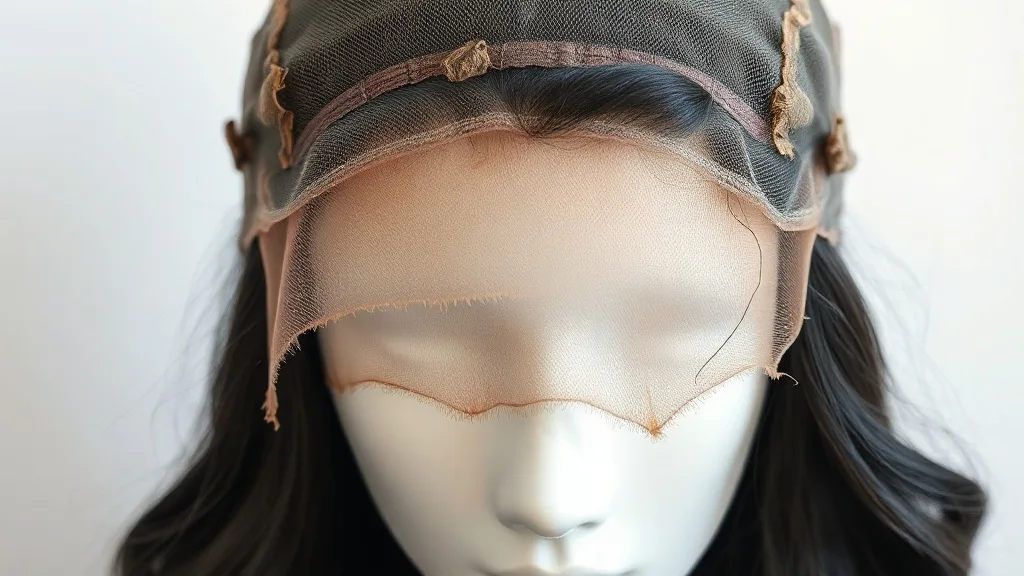
As a dedicated wig collector and someone who obsesses over every detail of celebrity hair replicas—like my prized Elvis pompadour—I’ve learned the hard way that not all adhesives are wig-friendly. Whether you’re new to wig wearing or a seasoned pro, using the wrong adhesive can turn your $500 lace front into a sticky, tangled mess. Worse, it can irritate your scalp or trigger allergic reactions. Today I’m sharing the adhesives you should absolutely avoid, and why your wig (and skin) will thank you.
Dangerous Ingredients to Avoid
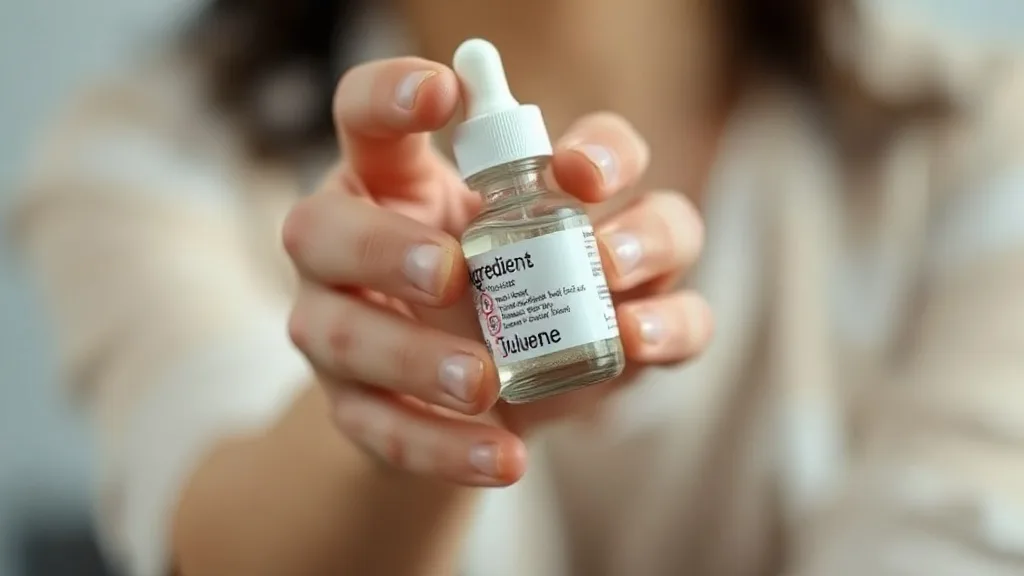
Before we get into specific products, let’s talk about the red flags on ingredient labels. If you see any of these, put the adhesive back on the shelf.
- Latex – Common in cheap glues, latex can cause contact dermatitis and doesn’t bond well with wig materials.
- Methyl methacrylate – Found in some “super glues,” this chemical can melt synthetic fibers and damage lace.
- Toluene – A harsh solvent that strips the protective coating from wig caps and dries out the skin.
- Formaldehyde – A known irritant and carcinogen, sometimes used as a preservative in low-grade adhesives.
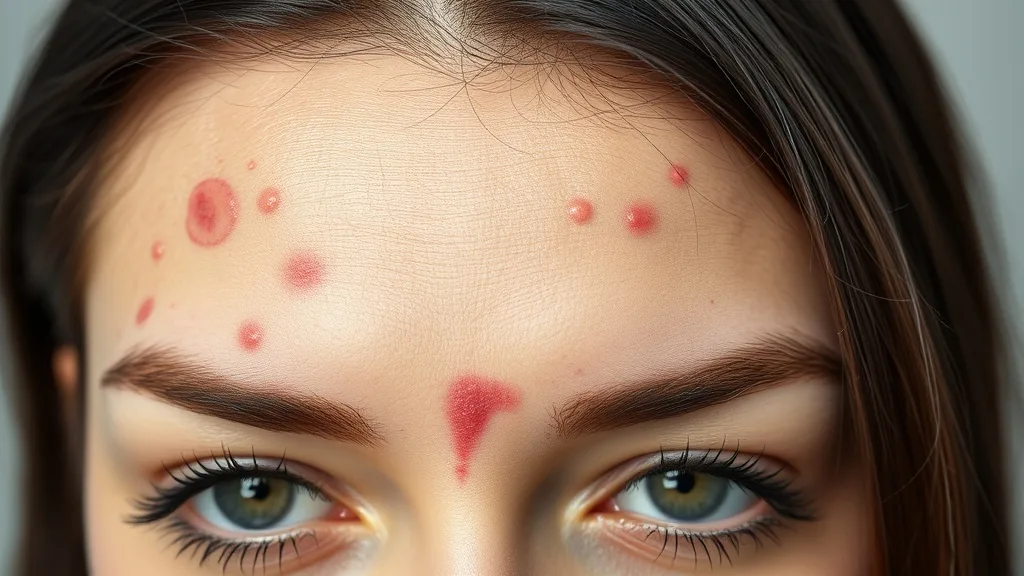
- Rosin (colophony) – Often in medical tapes, it’s a common allergen that leads to red, itchy rashes.
Why Cheap Super Glue is a Disaster
I get it—when you’re in a pinch, grabbing a tube of Krazy Glue seems like a quick fix. But trust me, it’s a nightmare. Super glue (cyanoacrylate) bonds instantly and permanently, which sounds great until you need to remove the wig. You’ll end up tearing the lace, pulling out hair fibers, or using acetone that dissolves the wig cap. I’ve seen collectors lose irreplaceable vintage pieces this way. Plus, the fumes are harsh, and skin contact can cause chemical burns. Stick to purpose-made wig adhesives.
The Problem with Medical Tapes That Aren’t Wig-Safe
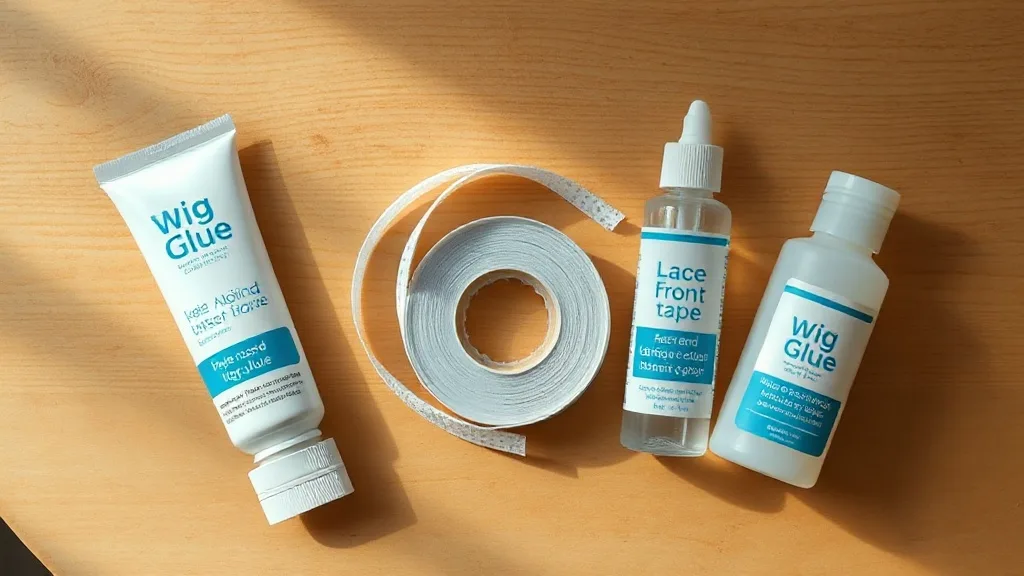
Some people think medical tape is a safe alternative because it’s gentle on skin. But not all medical tapes are created equal. Many contain zinc oxide or rubber-based adhesives that don’t hold well on lace or polyurethane. They also tend to leave sticky residue that’s hard to remove. Worse, if you have an allergy to adhesives in bandages (like I do), you’ll end up with an itchy red ring around your hairline. Always use tape specifically labeled for wigs—it’s designed for the right balance of hold and removability.
Solvent-Based Adhesives and Your Scalp
Solvent-based glues (like those containing heptane or acetone) are extremely strong, but they come with serious drawbacks. They evaporate quickly, which means you have to work fast, and they can dry out your natural hair and scalp. Over time, repeated use leads to brittle hair and flaky skin. I’ve seen cases where people develop contact dermatitis from prolonged exposure. If you have sensitive skin or wear wigs daily, avoid solvent-based products and opt for water-based or silicone adhesives instead.
Conclusion: Stick with Wig-Safe Products
Your wig collection—whether it’s a single everyday piece or a closet full of celebrity replicas—deserves the best care. Invest in high-quality adhesives from reputable wig brands. Look for hypoallergenic, latex-free, and solvent-free options. Always do a patch test before full application. And remember, if an adhesive seems too cheap or too strong, it’s probably too good to be true. Protect your investment and your health by staying away from these common culprits.