
Introduction
When it comes to wig wearing, the cap is often the unsung hero. Many newcomers think skipping the cap saves time or feels more natural. But as a tech innovator in the wig industry, I've seen firsthand how the right foundation transforms the entire experience. Let’s dive into why wig caps are not just an accessory—they’re a necessity.
The Foundation of a Secure Fit
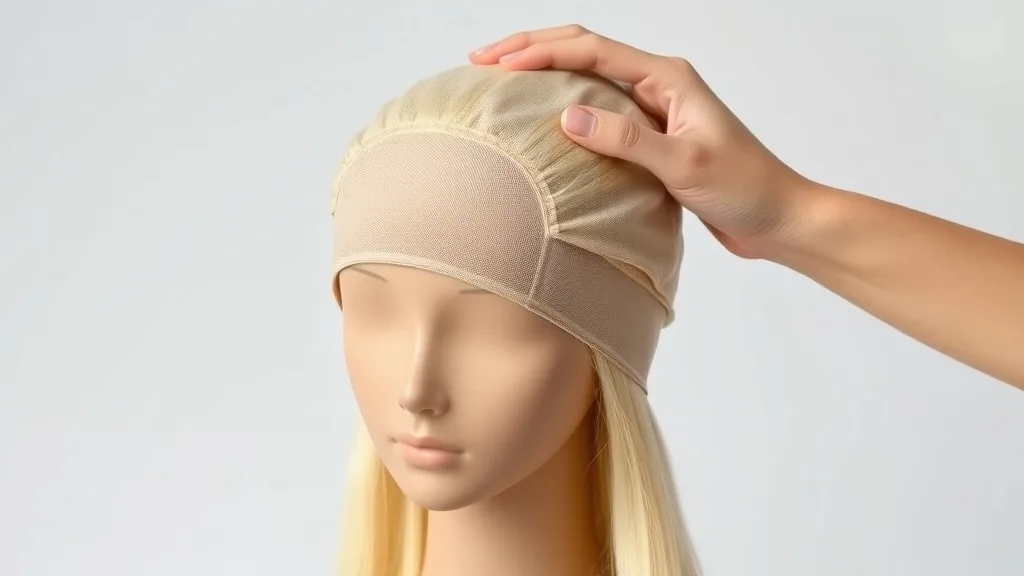
Imagine wearing a VR headset without the proper straps—it slips, wobbles, and breaks immersion. The same goes for wigs. A wig cap grips your natural hair and scalp, providing a non-slip surface that keeps your wig firmly in place. Whether you're dancing at a concert or just going about your day, you deserve peace of mind. Nylon caps, for example, create friction that prevents shifting, while bamboo caps offer a softer grip for sensitive scalps.
Protecting Your Natural Hair
Your natural hair is a valuable asset. Direct contact with wig adhesives, tapes, or even the wig’s interior can cause breakage, dryness, and tangling. A wig cap acts as a barrier, shielding your hair from harsh chemicals and friction. It also keeps your hair flat and contained, preventing unsightly bumps. If you're growing out your hair or have delicate edges, a cap is non-negotiable.
Enhancing Comfort and Breathability
Let’s bust a myth: caps are not hot. In fact, modern wig caps are engineered with breathable materials like mesh or bamboo that wick moisture away. They reduce itching by preventing the wig’s wefts from rubbing directly against your scalp. Plus, they absorb sweat and oils, keeping your wig cleaner longer. Think of it as a moisture-wicking base layer for your head.
Creating a Natural Hairline
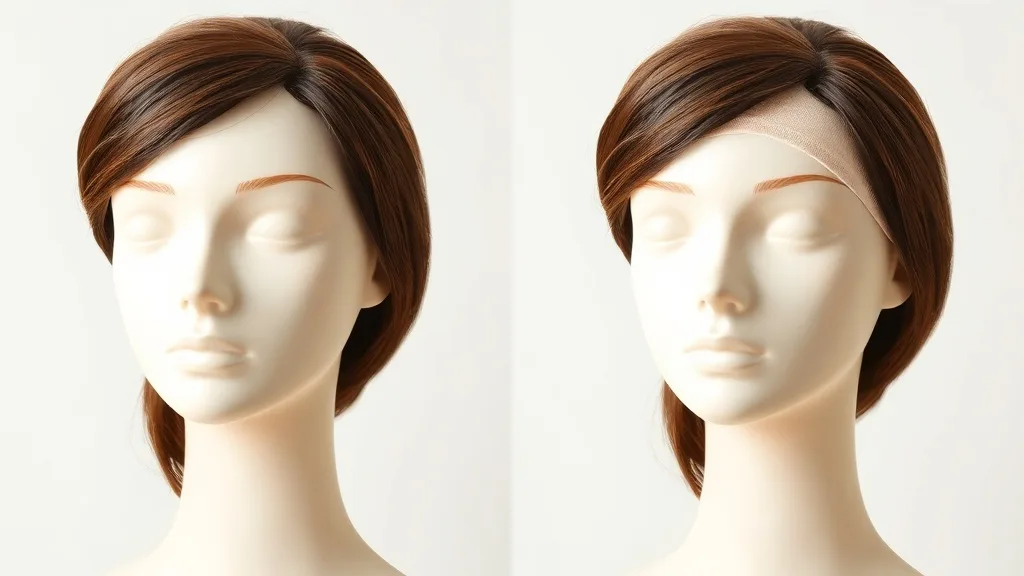
One of the biggest tells of a wig is an unnatural hairline. A wig cap helps blend your natural skin tone with the wig’s lace or front. For lace front wigs, a cap in a matching shade creates a seamless transition. You can also cut the cap to expose your hairline for a more realistic look. It’s like calibrating your VR headset for the perfect field of view—small adjustments make all the difference.
Prolonging Wig Lifespan
Wigs are an investment. Sweat and natural oils can degrade the fibers and lining over time. By wearing a cap, you extend the life of your wig significantly. Less washing means less wear and tear. For synthetic wigs, this is especially important because heat and oils can ruin the fibers. A cap is the simplest insurance policy for your wig.
Choosing the Right Wig Cap
Not all caps are created equal. Here’s a quick guide:
- Nylon caps: Durable, good grip, stretchy—best for most uses.
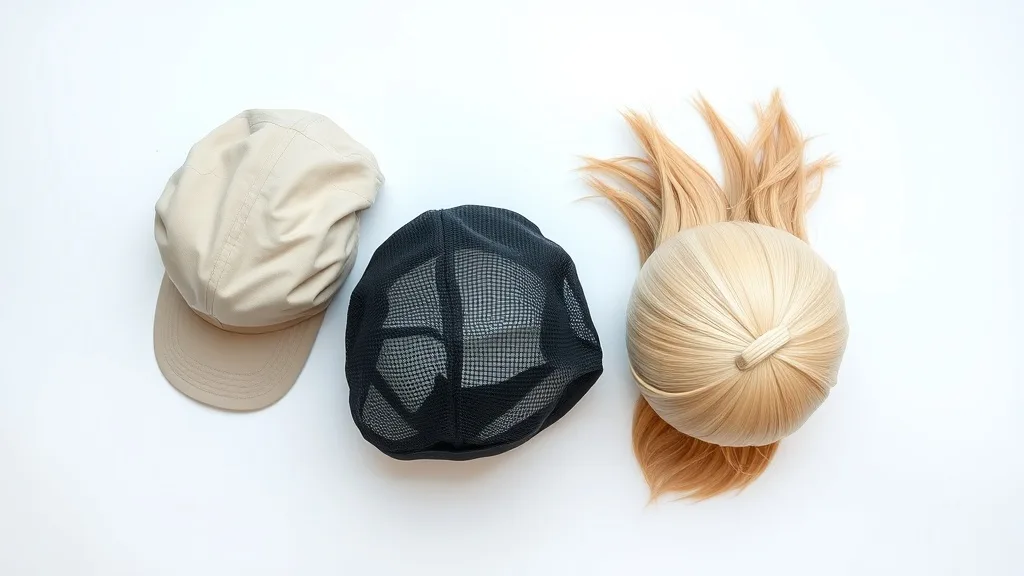
- Mesh caps: Ultra-breathable, lightweight—great for hot weather.
- Bamboo caps: Soft, hypoallergenic, moisture-wicking—ideal for sensitive skin.
- Silicone grip caps: Non-slip with built-in silicone strips—perfect for active wear.
Ensure the cap fits snugly without being too tight. Measure your head circumference and check the cap’s stretch. A good cap should stay in place without leaving marks.
Conclusion
Skipping a wig cap is like using a smartphone without a case—it works for a while, but eventually you'll wish you had protected your investment. From security and comfort to longevity and a natural look, the benefits are undeniable. Next time you put on a wig, think of the cap as your foundation. Trust me, your wig—and your hair—will thank you.