Introduction: Why Ingredients Matter
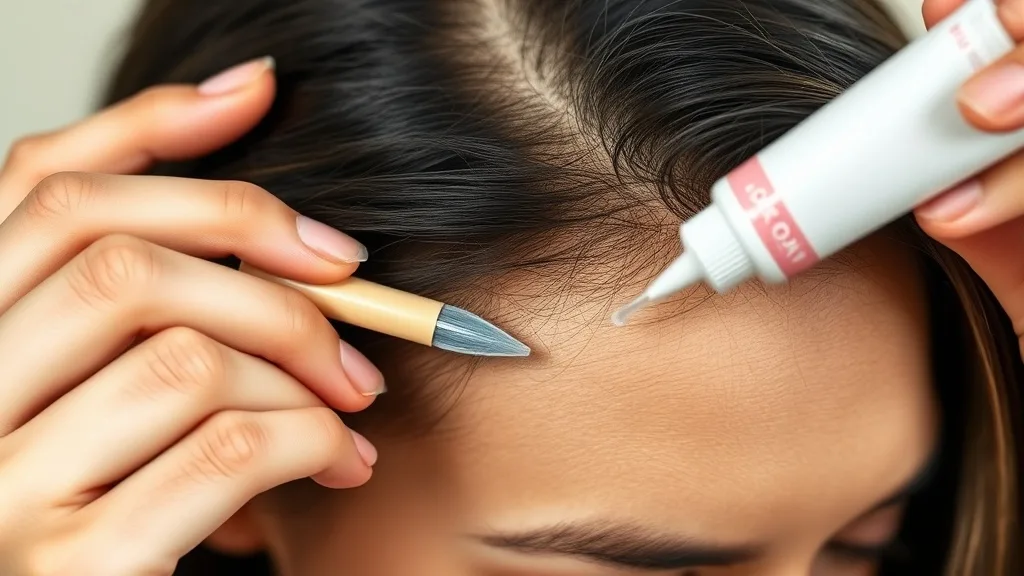
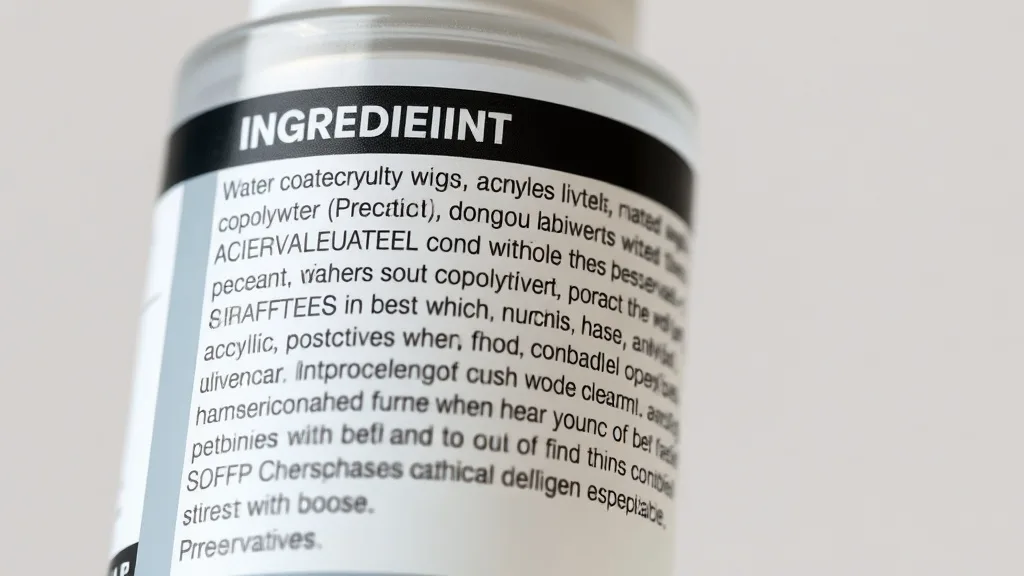
I'll be the first to admit: when I started wearing wigs, I grabbed whatever adhesive was cheapest or most popular on Amazon. Big mistake. After a few red, itchy scalps and one memorable incident where my wig flew off at a concert, I started reading labels. And let me tell you, not all wig adhesives are created equal. The ingredients determine hold strength, drying time, skin irritation, and even how easy it is to remove. Let's cut through the marketing fluff and talk about what's actually in that tube.
Latex vs. No-Latex: The Allergy Showstopper
Latex is a natural rubber derived from the sap of rubber trees. It's cheap and provides strong initial tack, which is why many budget adhesives use it. But if you have a latex allergy (and many people do without realizing), you're in for a world of redness, itching, and even blisters. Even if you aren't allergic, prolonged use can sensitize your skin. My honest opinion? Skip latex altogether unless you've patch-tested and are certain. No-latex formulas usually use synthetic polymers like polyurethane or acrylates, which are safer for sensitive skin.
The Acrylate Family: Methacrylates and Cyanoacrylates
Acrylates are the backbone of most strong-hold wig adhesives. You'll see names like "butyl acrylate" or "ethyl cyanoacrylate" on the label. These are synthetic polymers that form a flexible but strong bond. They're common in medical adhesives too, so they're generally safe for skin. But not all acrylates are equal. Cyanoacrylates (superglue type) dry very fast and hold fiercely—great for active wear, but removal can be harsh. Methacrylates are less aggressive, offering a balance of hold and gentleness. Look for "methacrylate copolymer" if you want a comfortable all-day hold.
Solvents and Drying Time
The solvent is what keeps the adhesive liquid until you apply it. Common solvents include alcohol, hexane, and acetone. Alcohol-based adhesives dry quickly and are less oily, but they can be drying to the scalp. Hexane is common in spray adhesives but has a strong odor. Acetone is a powerful solvent used in removers, not usually in the adhesive itself. For drying time, faster isn't always better: quick-dry formulas can become tacky before you've positioned the wig perfectly. I prefer a medium-dry adhesive that gives me 30–60 seconds to adjust.
Bond Strength and Ingredients
- Light hold: Polyurethane or water-based acrylics – easy removal, good for daily wear.
- Medium hold: Methacrylate copolymers – all-day hold without tugging.
- Strong hold: Cyanoacrylates or hybrid acrylics – 5+ day hold, requires solvent remover.
Don't be fooled by labels screaming "maximum hold" without checking the ingredients. Often those are just cyanoacrylate blends that can damage your lace or skin if used too often. For most wearers (including me), a medium hold methacrylate is the sweet spot.
Sensitive Skin Considerations
If you have a sensitive scalp, look for adhesives that are hypoallergenic, dermatologist-tested, and free of latex, fragrance, and parabens. Ingredients like aloe vera, vitamin E, or chamomile are added to soothe, but they don't affect hold much—more of a marketing bonus. The real key is the polymer base: choose a 'medical grade' acrylic adhesive. These are used for prosthetics and are far less likely to cause reactions. Also, always do a patch test behind your ear 24 hours before full application.
Conclusion: Read Before You Stick
After testing dozens of adhesives (and buying way too many bottles that now sit in my 'mistake closet'), I can confidently say that the ingredient list is your best friend. Avoid latex if you're unsure, embrace methacrylates for daily wear, and reserve cyanoacrylates for special events. Your scalp will thank you. Next time you reach for that tube, flip it over and read what's inside—it might save you from a bad hair day.