
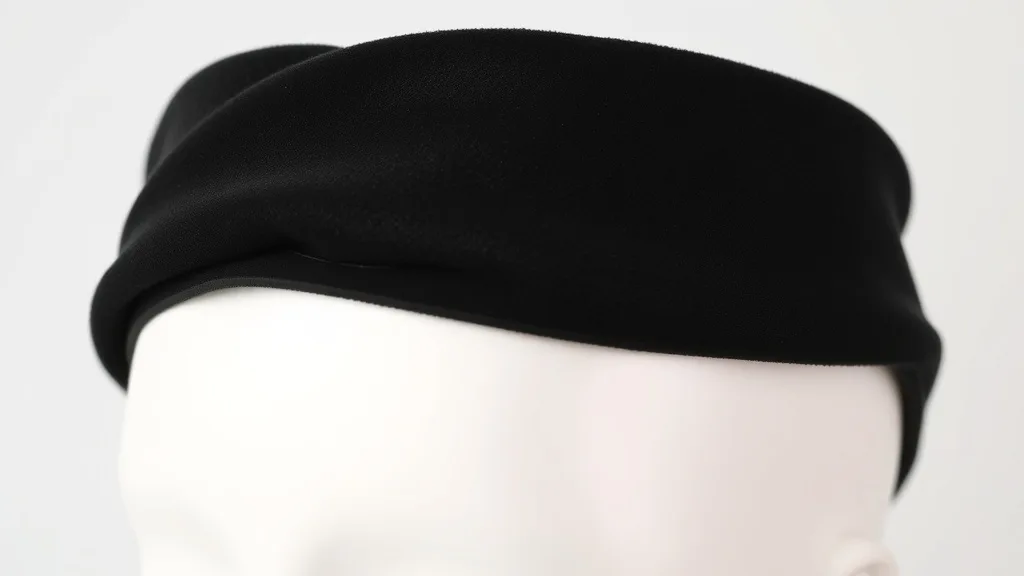
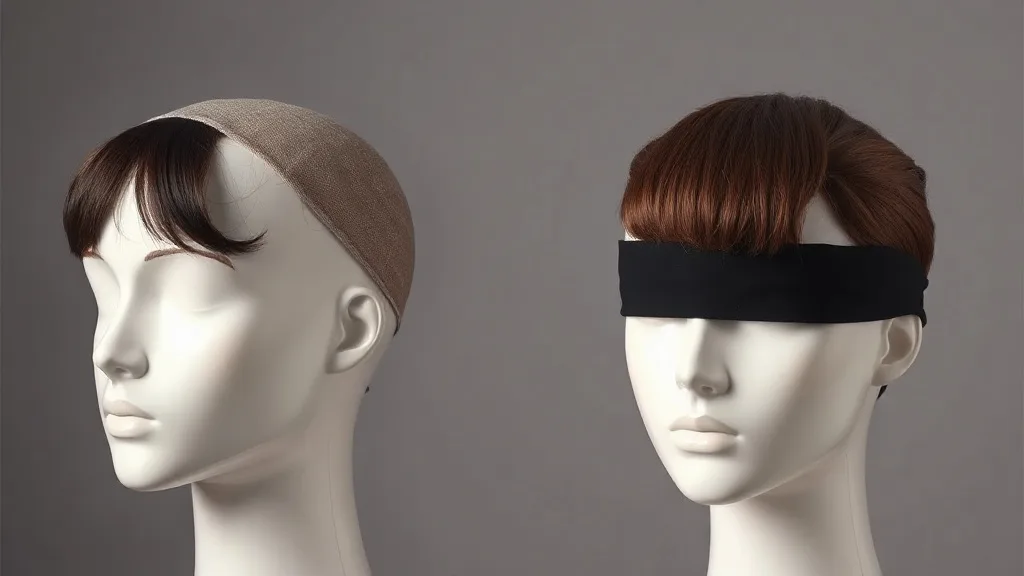

What Are Wig Grip Bands?
Wig grip bands are elastic or adjustable bands designed to hold a wig securely in place without the need for glue, tape, or other adhesives. They typically feature a velvet or silicone lining that grips both the wig cap and your scalp, providing a non-slip foundation. They come in various sizes and styles, from thin bands for light security to wide bands for full coverage. Many users turn to grip bands as a convenient, reusable alternative to adhesives, especially for sensitive skin or daily wear.
How Do They Work?
The grip band sits on your head like a headband, with the textured side against your scalp. You then place your wig over the band, and the friction from the silicone or velvet helps keep the wig from sliding. Some bands have adjustable straps or hooks to customize the fit. The band itself stays in place because of the grip on your scalp, and the wig grips the band. It's a simple but effective system for many wig wearers, especially those with little to no hair.
Pros and Cons
- Pro: No adhesives – ideal for sensitive skin or allergies
- Pro: Reusable and cost-effective over time
- Pro: Easy to apply and remove
- Pro: Provides a secure hold for many daily activities
- Con: Can be uncomfortable or hot in warm weather
- Con: May not hold as securely as adhesives for vigorous movement
- Con: Might show at the hairline if not properly matched
- Con: Not suitable for all head shapes or wig cap constructions
Who Should Use Them?
Wig grip bands are a great option for those with sensitive skin who react to adhesives, people who wear wigs for short periods (e.g., daily work or social events), and individuals with full or partial hair loss who want a non-permanent solution. They are also popular among beginners who are not yet comfortable with glue or tape. However, they may not be the best choice for active lifestyles, sports, or if you need all-day, worry-free security. In those cases, combining a grip band with a lightweight adhesive or using a vacuum wig might be better.
Expert Tips from Matthew Wright
As a custom wig craftsman, I've seen many clients try grip bands with mixed results. Here are my top tips: First, choose the right size – too tight causes headaches, too loose won't hold. Second, ensure your wig cap has a secure grip; some caps are too smooth. Third, try a velvet band for comfort or silicone for maximum hold. Fourth, always test the band in a safe environment before wearing out. Finally, remember that grip bands are a tool, not a solution for every wig. If you have a custom piece, I can adjust the cap to work better with bands. Visit Wigplace for a consultation.