

Introduction: A Tale of Two Scalps
As a time-traveling wig enthusiast, I've worn everything from Victorian curls to Roaring Twenties bobs. But one thing remains constant: the importance of scalp health beneath those glorious tresses. Today, we're unraveling the truth about wig clips—those tiny grips that keep your wig secure—and how they interact with your scalp. Whether you're a historical reenactor or a modern fashionista, understanding this relationship is key to long-term comfort and hair health.
What Exactly Are Wig Clips?
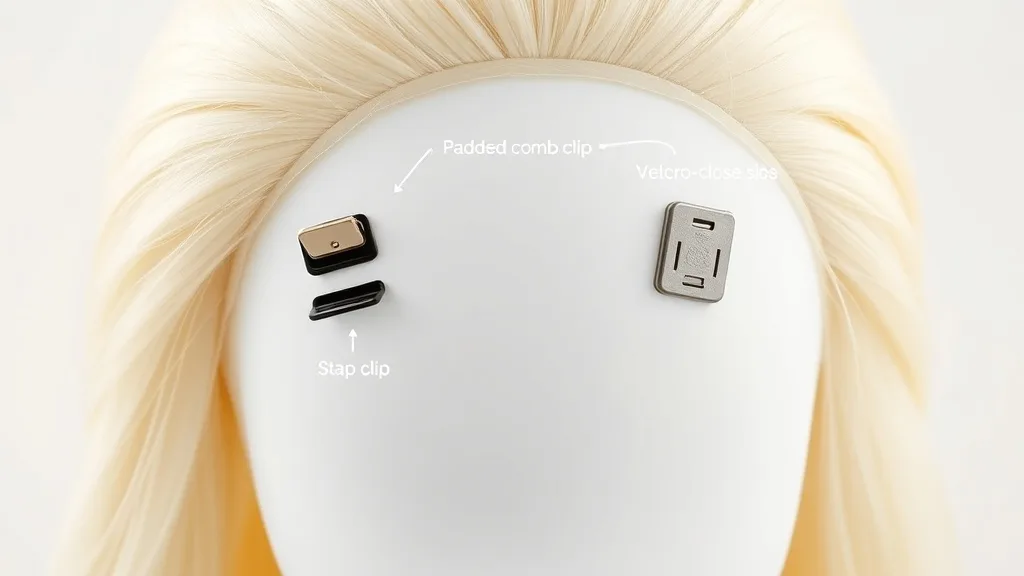
Wig clips are small metal or plastic fasteners sewn into the interior of a wig. They come in various styles—snap clips, comb clips, and adjustable clips—and are designed to attach the wig to your natural hair or a wig cap. While they provide security against wind or sudden movements, they can also exert pressure on the scalp if not used correctly. Think of them as the corsets of the wig world—wonderful for shaping, but they need careful fitting.
The Science of Scalp Pressure
Your scalp is a delicate ecosystem: rich with blood vessels, hair follicles, and nerve endings. When wig clips apply constant pressure to the same spots over hours, they can restrict blood flow and cause tension. This is similar to the way a tight headband can give you a headache. Over time, that pressure may lead to traction alopecia—a type of hair loss caused by tension on the hair shafts. It's not just a modern problem; historical figures like Queen Elizabeth I, who wore heavy wigs, likely experienced similar issues.
Signs Your Scalp Is Crying for Help
Your body will send signals. Watch for these red flags:
- Persistent itchiness or soreness in specific spots
- Redness or indentations after removing your wig
- Scalp tenderness when brushing or washing
- Thinning hair or bald patches near clip attachment points
- Headaches that seem to center where clips are placed
If you experience any of these, it's time to reassess your clip strategy. Remember, a wig should feel like a second skin—not a medieval torture device.
Best Practices for Healthy Wig Clip Use
From my years of channeling historical characters, I've learned a few tricks to keep both my wig and scalp happy:
- Use a wig cap: It creates a barrier between clips and your natural hair, reducing friction.
- Rotate clip positions: Don't always attach clips in the same spot. Give your scalp a break.
- Choose padded clips: Some modern clips have soft padding to distribute pressure evenly.
- Limit wear time: Try to remove your wig for at least 8 hours a day to let your scalp breathe.
- Clean your clips: Hair products and sweat can build up and irritate your skin. Wipe them down after each use.
Think of it like wearing a crown—you want to feel like royalty, not a prisoner!
A Historical Interlude: Wig Clips Through the Ages
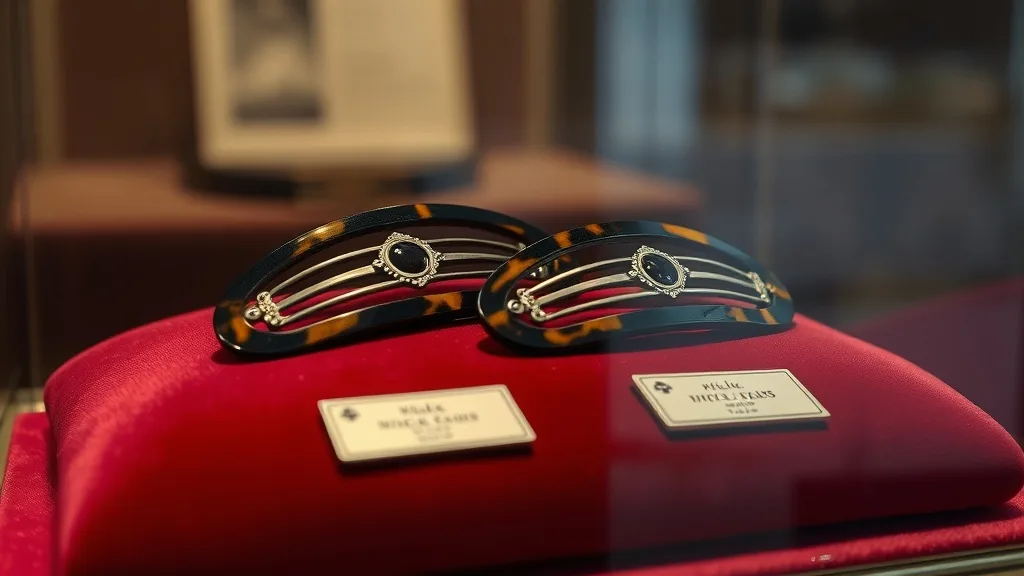
In the 18th century, wig clips were often made of tortoiseshell and silver. They were bulky and heavy, often causing sore spots—the aristocracy were true martyrs to fashion! Even Marie Antoinette probably dealt with scalp issues under her towering poufs. Today's clips are much more refined, but the challenge remains: how to balance security with comfort. As a time traveler, I appreciate modern innovations like silicone-lined clips and breathable caps that our ancestors could only dream of.
Alternative Attachment Methods
If clips aren't working for you, consider alternatives:
- Adhesive strips or tapes for a hold that's less likely to cause traction alopecia
- Vacuum seal wigs that use suction for even pressure distribution
- Custom-fit wigs that use your own head measurements to minimize the need for clips
I often switch to a soft silicone grip band for my Elizabethan gown videos—it keeps the wig secure without clipping my natural hair.
Conclusion: Listen to Your Scalp
Your scalp is the unsung hero of your wig-wearing journey. Treat it with kindness, and it will support all your transformations—whether you're stepping into the 18th century or just stepping out for a night on the town. Choose your clips wisely, vary their placement, and never ignore discomfort. After all, the best historical characters are the ones who endure, but they also know when to take off the corset—or the wig clips—and relax.
Have questions or your own clip stories? Share them in the comments below or join me on my next historical wig adventure on YouTube. Until then, keep your scalp happy and your wigs fabulous!