
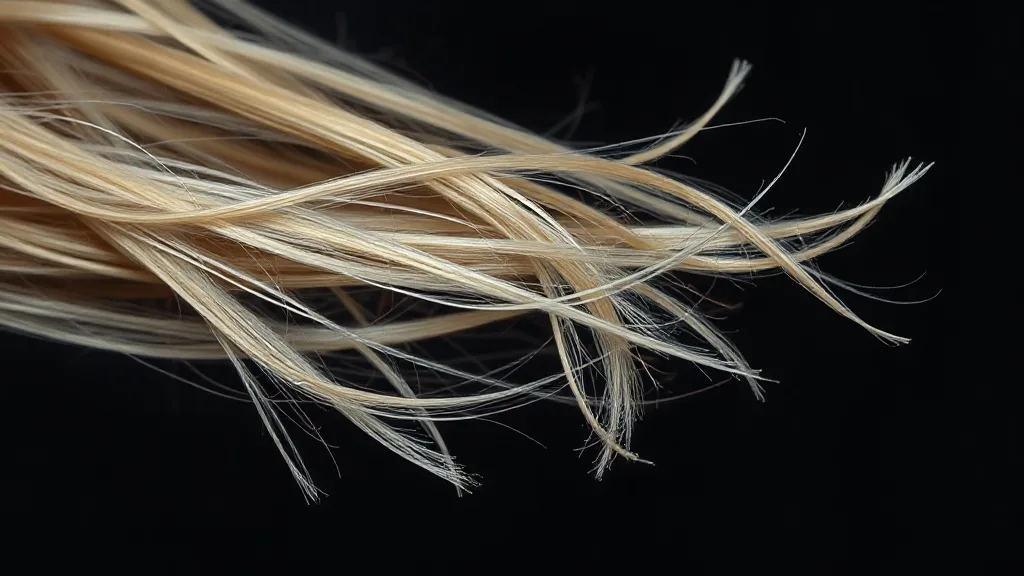
The Myth: Brushes Cause Split Ends
If you've been told that brushing your wig leads to split ends, it's time to separate fact from fiction. The truth is, the right brush can actually prevent damage and extend the life of your wig. Split ends occur when the hair fiber is weakened or frayed, often due to friction, improper handling, or low-quality materials. But a high-quality brush designed for wigs can minimize this risk.
Why Wig Brushes Are Different
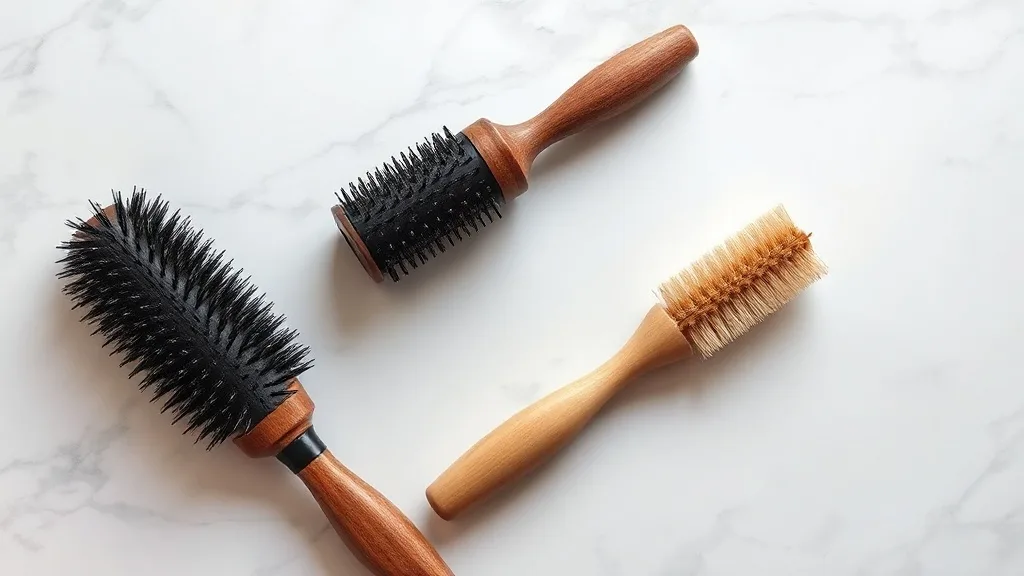
Unlike human hair, wig fibers—whether synthetic or human hair—are more delicate and require specialized tools. A standard hairbrush with stiff bristles can tug and tear at the knots where hair is attached to the wig cap, leading to shedding and split ends. That's why investing in a proper wig brush is essential. For synthetic wigs, a loop brush or a wide-tooth comb is ideal. For human hair wigs, a soft boar bristle brush can help distribute natural oils without causing damage.
The Real Culprits Behind Split Ends
Before you blame your brush, consider these common causes of split ends in wigs:
- Heat styling without proper protection
- Overwashing or using harsh shampoos
- Tugging or brushing when the wig is dry and tangled
- Sleeping in your wig without a silk bonnet
- Using a brush with metal or sharp plastic bristles
By addressing these issues, you can significantly reduce split ends regardless of the brush you use. However, the right brush will make each step easier.
How to Brush Your Wig Correctly
Start by gently detangling with your fingers from the ends upward. Then, use a wide-tooth comb or a loop brush, working in sections. Always brush with gentle, downward strokes. For synthetic wigs, avoid brushing when wet—instead, use a leave-in conditioner and comb sparingly. For human hair wigs, brushing while damp with a detangling spray can reduce breakage.
Recommended Brushes for Every Wig Type
- Synthetic wigs: Loop brush or wide-tooth comb
- Human hair wigs: Soft boar bristle brush or paddle brush with cushioned base
- Both types: Detangling comb with wide, smooth teeth
At Wigplace, we offer a curated selection of wig brushes designed to keep your investment looking flawless. Don't leave your wig's health to chance—choose the tool that professionals trust.
Conclusion: Brush with Confidence
Split ends don't have to be a part of wig ownership. By understanding the role of the right brush and adopting gentle care habits, you can enjoy a beautiful, long-lasting wig. Remember: the brush isn't the enemy—ignorance is. Equip yourself with knowledge and the right accessory, and your wig will thank you.