
As a historian of hairpieces, I've seen countless wigs—from the elaborate powdered wigs of the 18th century to today's modern masterpieces. But no matter the era, one truth remains: the cap is the unsung hero. It's the foundation that determines comfort, realism, and longevity. Yet it's often the most neglected part. Today, I'm sharing the secrets to making your wig cap last, because a durable cap means a wig that stays beautiful longer, saving you money and reducing waste. Let's dive into the art of wig cap care.
The Anatomy of a Wig Cap
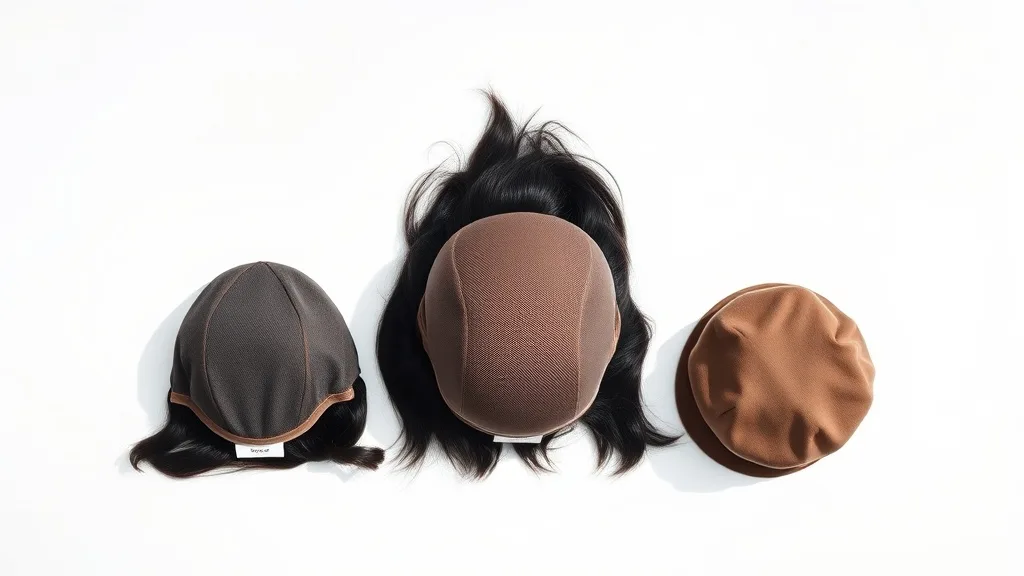
Before we can protect it, we need to understand it. A wig cap is more than just a net; it's a complex structure of materials, seams, and delicate components like lace fronts and monofilament tops. The durability of your cap depends on how well you understand its construction. Most caps consist of wefts (rows of hair), a base material (lace, silicone, or PU), and adjustable straps or ear tabs. The weakest points are often the edges, where constant friction and adhesive application take their toll. Knowing where your cap is most vulnerable helps you target your care routine.
Material Matters: Choosing the Right Cap
Not all caps are created equal. The material you choose directly impacts durability. Lace caps (Swiss or French) are lightweight and breathable but can tear if mishandled. Monofilament caps have a sheer fabric that mimics scalp—delicate but repairable. Silicone or PU (polyurethane) caps are more robust and often used in medical wigs; they withstand adhesives better but can degrade from sweat and oils. For maximum durability, consider a hybrid cap: lace front with a mono top and PU perimeter. That combination balances realism with strength. Always check the manufacturer's specifications and invest in quality—it pays off in longevity.
Daily Care Rituals
Your daily habits are the biggest factor in cap durability. Here's my tried-and-true routine:
- Gentle handling: Always support the cap from the base, never pull on the hair. Use a wide-tooth comb or wig brush starting from the ends.
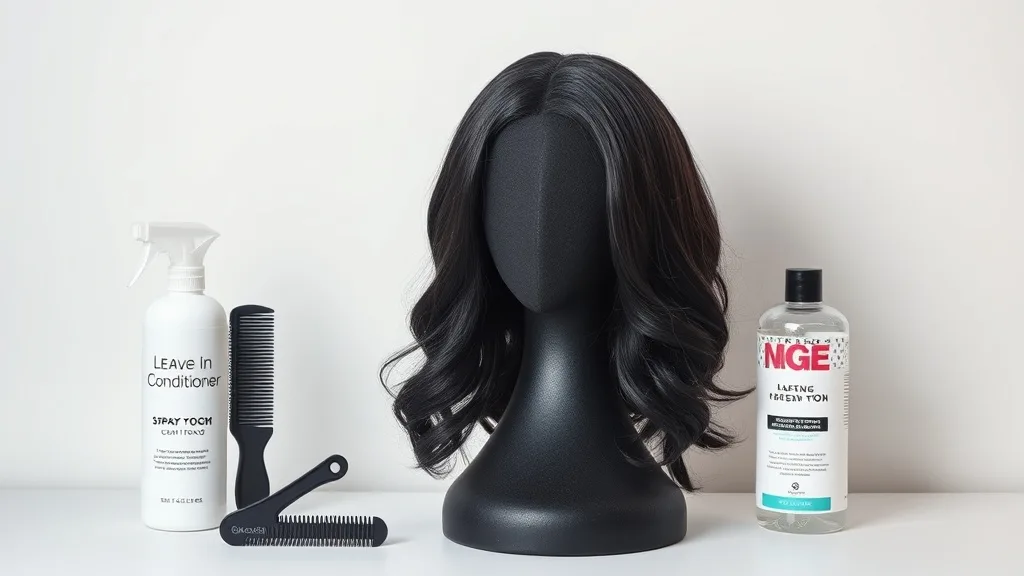
- Cleaning: Wash your wig cap every 6-8 wears with a sulfate-free shampoo. Submerge, swish gently, and rinse with cool water. Never wring or twist—blot with a towel.
- Conditioning: Apply conditioner only to the hair, not the cap base, to avoid weakening adhesives or seams.
- Drying: Let the wig air dry on a stand to maintain shape. Avoid heat from blow dryers, which can melt synthetic caps or warp lace.
The Power of Proper Storage
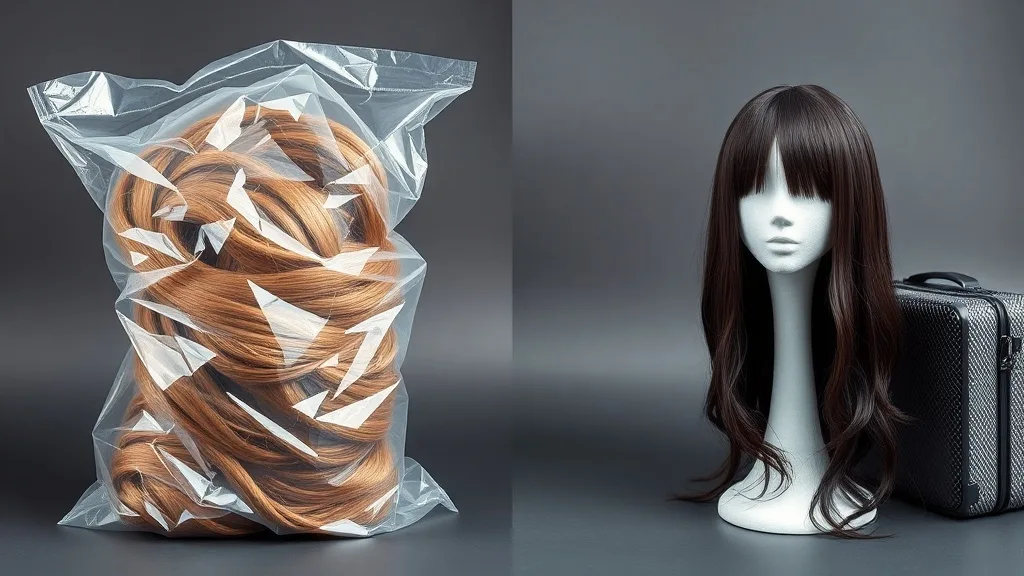
When not wearing your wig, give it a proper home. The enemy of cap durability is pressure and moisture. Always store your wig on a foam head or wig stand—not on a hook or stuffed in a drawer. Cap liners or cotton stockings can wick away residual sweat. For travel, use a wig case with ventilation. Avoid plastic bags, which trap humidity and promote mildew. If your cap has adhesive residue, clean it off before storing; old glue can harden and crack the base.
Signs It's Time to Replace
Even with perfect care, no wig cap lasts forever. As an activist, I encourage embracing replacement as a natural cycle—not a failure. Look for these signs: thinning lace that becomes transparent, stretched out elastic that won't tighten, persistent odor despite cleaning, or tears near the hairline. Typically, a well-maintained cap lasts 6-12 months with daily wear. But don't push it; a worn-out cap can damage your natural hair or cause skin irritation. Know when to let go and treat yourself to a new foundation.
Conclusion
Your wig cap is the silent partner in your hair journey. By choosing the right material, handling it with care, and storing it properly, you can significantly extend its life. These secrets aren't just about saving money—they're about respecting your investment and the artistry behind each wig. Remember, destigmatizing hairpieces starts with treating them as the valued accessories they are. Now go give your cap the love it deserves!