

Ah, adhesive. The modern wigmaker's crutch, the bane of sensitive scalps, and the cause of more than a few tragicomic mishaps at the opera. As a historian of all things follicular (yes, I made that term up, but it should be a thing), I've spent years studying how our ancestors kept their wigs firmly planted without the aid of synthetic glues. And I'm here to tell you: there are secrets, ancient and new, that can liberate you from the sticky tyranny of adhesives. Whether you're a seasoned wig wearer or a curious newcomer, these methods—grounded in history and refined by modern ingenuity—will keep your wig secure, comfortable, and utterly convincing.
The Wig's Ancient Struggle: A Brief History of Non-Adhesive Security
Before we dive into the techniques, let's take a quick jaunt through history. The ancient Egyptians, ever practical, shaved their heads for cleanliness but donned wigs for sun protection. How did they keep them on? Not with glue, but with snugly fitted caps made from linen or human hair, often secured with ribbons tied under the chin or around the crown. The Romans preferred elaborate pinning systems, using long hairpins to anchor their wigs to their natural hair. Fast-forward to the 18th century, and those towering powdered wigs were held in place by a combination of tight netting, silk ties, and—gasp—anchors made from the wearer's own hair, braided and sewn into the wig base. The point is: adhesives are a recent convenience, not a necessity. And we can do better.
The Modern Challenge: Why Ditch Glue?
Before we get to the good stuff, let's acknowledge why you might want to skip adhesive. Allergies, skin irritation, damage to the hairline, and the dreaded 'lift' at the forehead are all common complaints. Plus, adhesive removal can be a messy chore. Non-adhesive methods are gentler, more hygienic, and often quicker to apply. They're also perfect for wigs with sensitive lace fronts or for those who switch wigs frequently. So, without further ado, here are the secrets to a secure wig without a single drop of glue.
Method 1: The Wig Grip – A Silicone Marvel
The wig grip is a modern invention that mimics the ancient principle of friction and snug fit. It's a thin, silicone-covered band that sits on your head like a headband, creating a high-friction surface that holds the wig in place. No adhesive, no clips, no fuss. Simply put it on, adjust your wig over it, and go. The grip's silicone beads grip the wig's inner lining, while the fabric side rests against your hair (or bald scalp) without slipping. I've seen these work wonders for women with alopecia or sensitive scalps. They're washable, reusable, and come in various widths. For active wearers, this is a game-changer.
Method 2: Elastic Bands and Hidden Combs – The Historical Workhorse
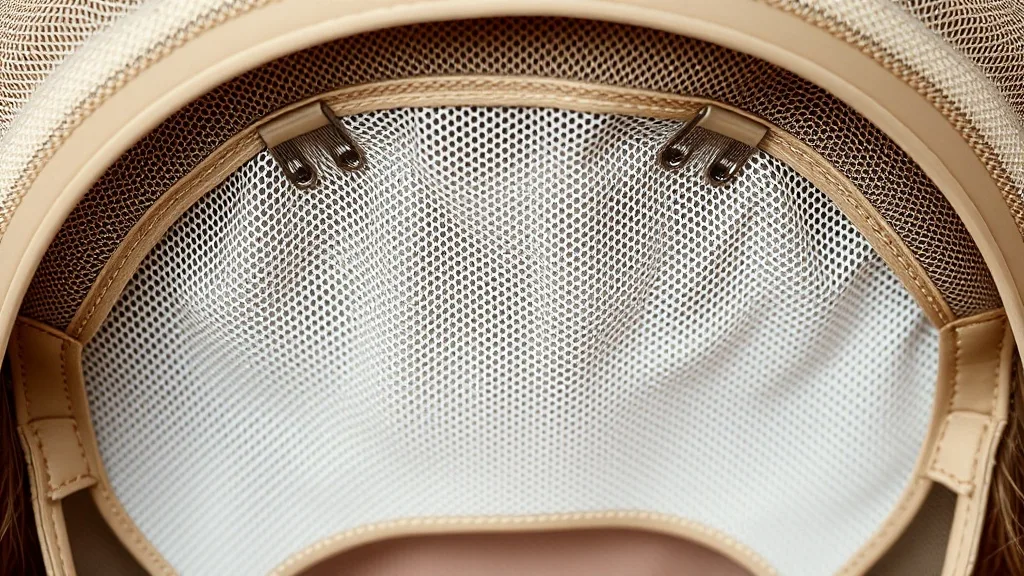
Now we're talking old-school. Most wigs come with adjustable straps and combs sewn inside. But many people neglect these simple tools. Here's how to maximize them:
- Tighten the elastic band at the nape to match your head circumference. It should be snug but not painful.
- If your wig has side combs, sew in a small elastic loop to hook over your ear for extra security—a trick from 18th-century acting troupes.
- For added grip, sew a piece of velvet ribbon along the inside edge of the wig. Velvet grips hair without slipping, much like the felt used in vintage hats.
You can also add extra combs at the temples and crown. Use small, curved wig combs and anchor them into your natural hair or a wig cap. This is especially effective for short wigs.
Method 3: Lace Front Tapes and Double-Sided Safe Tape
Wait, isn't that adhesive? Not exactly. There are medical-grade tapes designed for skin that are less invasive than liquid adhesives. They're like double-sided tape for your wig. However, I want to caution: these are still adhesives, albeit milder. Use them only if you have no skin sensitivities. I mention them because they can be used sparingly at the front hairline for added security without the mess of glue. But for the 'no adhesive' purist, skip this and rely on the other methods.
Method 4: The Wig Cap with Ribbon Ties – An Ancient Technique Revived
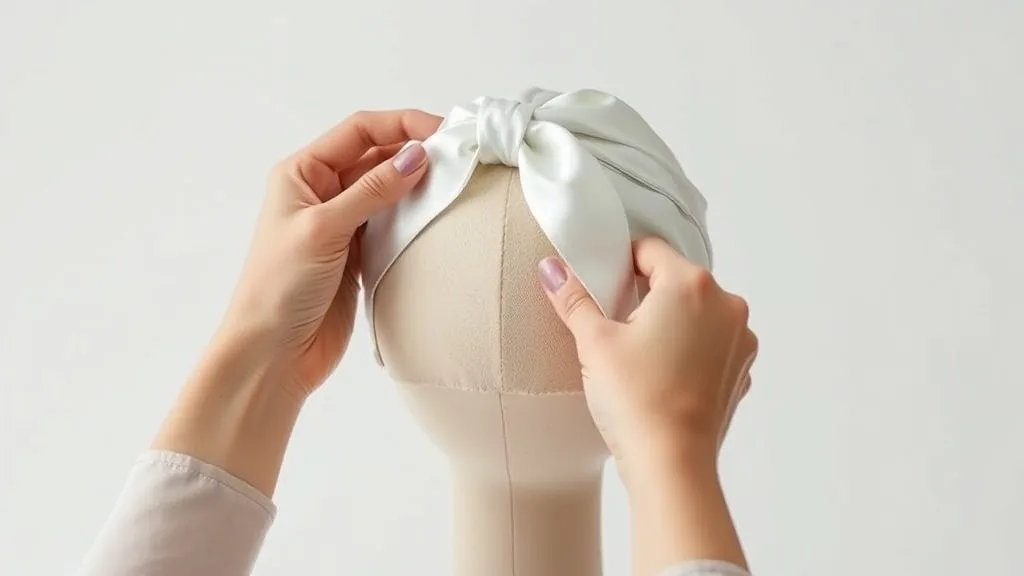
This is my personal favorite because it's steeped in history. Take a standard wig cap (the stretchy mesh type), and sew a length of soft satin ribbon onto each side—say, near the temples. Put the cap on, then tie the ribbons together at the nape of your neck. Then, place your wig over the cap. The ribbons anchor the cap (and thus the wig) to your head. You can also attach ribbons to the wig itself if you're crafty. This was the go-to method for centuries, and it works beautifully. The ribbon cuts into the wig cap slightly, creating a tension that keeps everything from shifting.
Tips for All-Day Hold Without Adhesive
- Start with clean, dry natural hair or a wig cap. Oily hair reduces friction.
- Use a wig cap that matches your scalp color to mask any gaps.
- For longer wigs, braid your natural hair flat against your head before putting on the cap.
- Spritz a bit of water or setting lotion on your natural hair before applying the wig—dampness increases grip.
- If you're bald or have very short hair, try a velvet wig grip or a silicone wig cap liner.
- Practice at home before a big event. Confidence is key to a natural look.
Conclusion: The Wig Without Glue – A Liberating Legacy
As I tell my students (and anyone who will listen in the pub), wigs have a rich, sticky-free history. From Egyptian linen caps to Victorian hairpin prowess, our ancestors thrived without a single tube of adhesive. And now, with modern innovations like silicone grips and ergonomic combs, you can too. So go forth, wear your wig with freedom, and laugh in the face of wind. Your scalp will thank you, and you'll be walking in the footsteps of history—without the sticky residue.