

A Victorian Perspective on Hair and Caps
In my years studying Victorian hair art, I've seen wigs worn by everyone from society matrons to stage performers. They understood something many modern wig-wearers forget: the foundation is everything. Just as a painter primes a canvas differently for oil versus watercolor, the cap beneath a wig must be chosen for the hair it will cover. The myth that a single wig cap suits all hair types is as absurd as saying one corset fits all waistlines.
The Anatomy of a Wig Cap
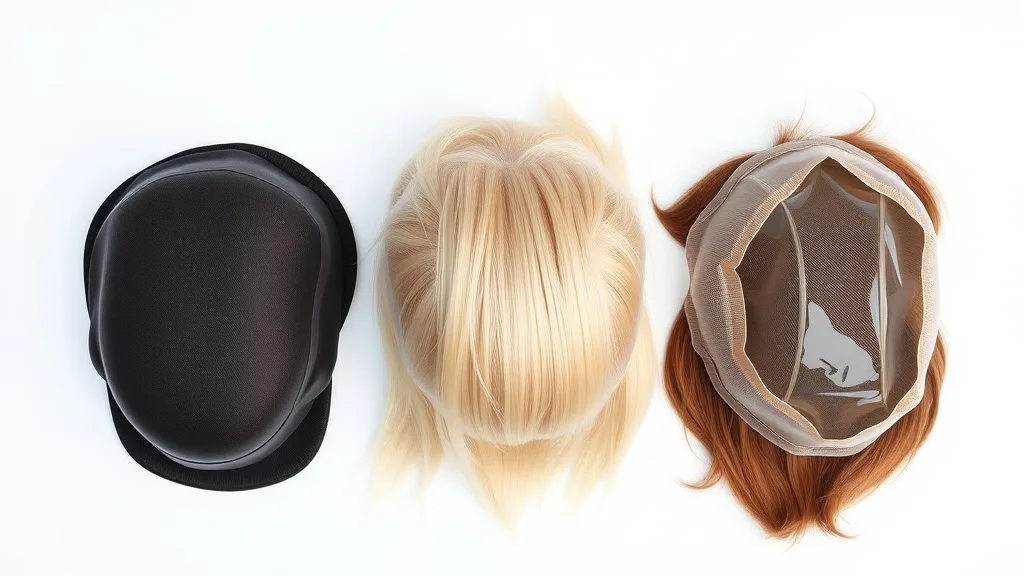
A wig cap is the base that holds the hair or fibers. Its materials—lace, monofilament, silicone, or cotton—interact with your natural hair and scalp. For example, lace caps are sheer and breathable, ideal for fine hair that needs to lie flat. Monofilament caps mimic the look of a natural scalp, perfect for those with thinning hair. Silicone caps grip tightly, best for short, coarse hair. The myth that any cap works comes from a lack of understanding of these differences.
Common Myths Debunked
- Myth 1: All wig caps are universal. Fact: Caps are designed for specific hair lengths and textures. A cap that fits a bald head will not secure thick, long hair.
- Myth 2: Lace caps work for everyone. Fact: Lace can tear on coarse curls or irritate sensitive scalps.
- Myth 3: Silicone caps are best for all active lifestyles. Fact: Silicone can cause sweating and slipping on oily hair.
Choosing the Right Cap for Your Hair Type
Let's break it down by texture:
Straight and Fine Hair
A monofilament or thin lace cap allows your natural hair to be pinned flat without bulk. Avoid thick cotton caps that add volume where you don't need it.
Curly and Coily Hair
You need a cap with a larger dome and breathable mesh to accommodate curl volume. Look for caps with an adjustable band and room at the nape. Silicone grips can help but test for slippage.
Thick or Long Hair
A sturdy cotton cap with a wide band is essential to hold the weight. Some caps have a 'tail' for long hair to be tucked into a braid, a trick Victorian women used!
Historical Wisdom for Modern Wearers
In the 19th century, wig makers crafted caps from silk and human hair netting, tailored to each client. They knew that a cap must sit like a second skin. Today, we have more options but the principle remains: respect your natural hair's needs. Don't fall for the myth that any cap will do—choose wisely, and your wig will thank you.