

The Siren Song of the Quick Fix
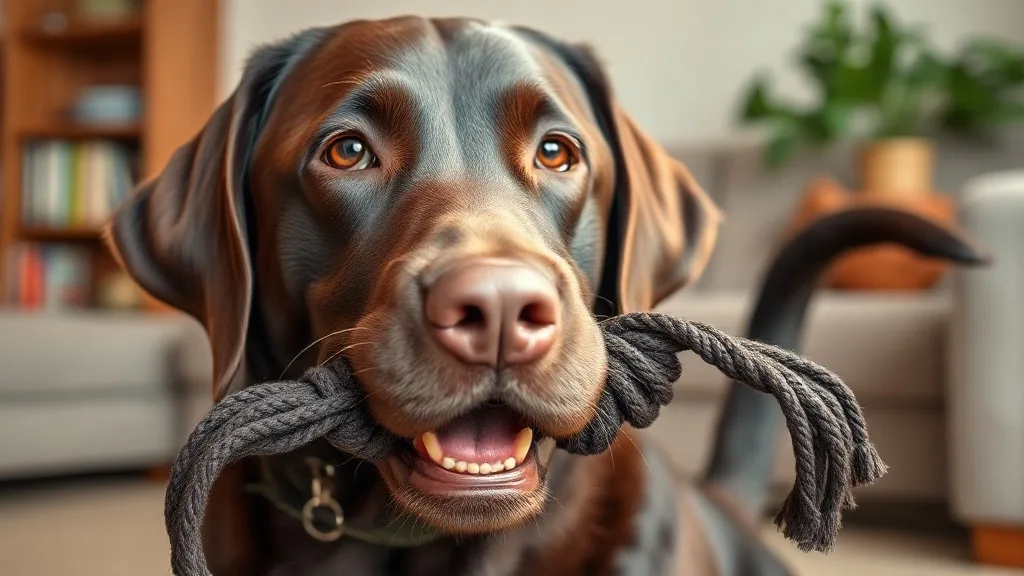
I’ll admit it—I’ve been seduced by the promise of a five-second wig hold. You know the drill: a little squirt of “mega-hold spray,” a dab of “no-slip glue,” and you’re supposed to be good for a 12-hour dance marathon. But as someone whose wig endurance is tested daily by my Labrador, Bruno, I can tell you: quick fixes are about as reliable as a chocolate teapot.
Bruno is a 70-pound bundle of joy with a particular talent for head-butting my wig just as I’m about to walk out the door. Over the years, I’ve tried every “instant hold” product on the market. And let me tell you, they all failed spectacularly. So, let’s talk about why these quick-fix products are myths, and what actually works.
The Top 3 Quick-Fix Culprits
- "Mega-Hold" Aerosol Sprays: These often contain alcohol that dries out both your wig and your scalp, leading to slippage within an hour. Plus, the fumes are nasty.
- "No-Slip" Wig Tapes: They work for about 20 minutes, then start curling at the edges. If Bruno decides to snuggle, say goodbye to your hairline.
- "Instant Adhesive" Glues: These can cause irritation, and once they fail, they leave a sticky mess that’s harder to remove than the wig itself.
My 'Bruno Test' Results
I decided to put these products through the ultimate trial: a full day of playing fetch, cuddling, and the dreaded shake — Bruno’s signature move where he whips his head and sends my wig flying. I tested each quick-fix three times. Spoiler: not one lasted longer than 45 minutes. The spray failed during a game of tug-of-war; the tape gave up when Bruno sneezed on my head; and the glue... well, let’s just say I spent an hour picking goo out of my lace front.
Why Quick Fixes Fail (Science Edition)
Quick-fix products rely on temporary adhesion. They don’t account for movement, sweat, or the natural oils that migrate from your scalp. Real hold requires a clean, dry base, proper application, and time for the adhesive to cure. Spray-and-go is like hoping a Band-Aid will stay on a sweaty arm during a marathon—it won’t.
What Actually Works: Slow and Steady Wins the Wig Game
After years of trial and error (and many lost wigs), I’ve developed a method that survives even Bruno’s most enthusiastic greetings. Here’s my routine:
- Start with a clean scalp and wig cap. No residue allowed!
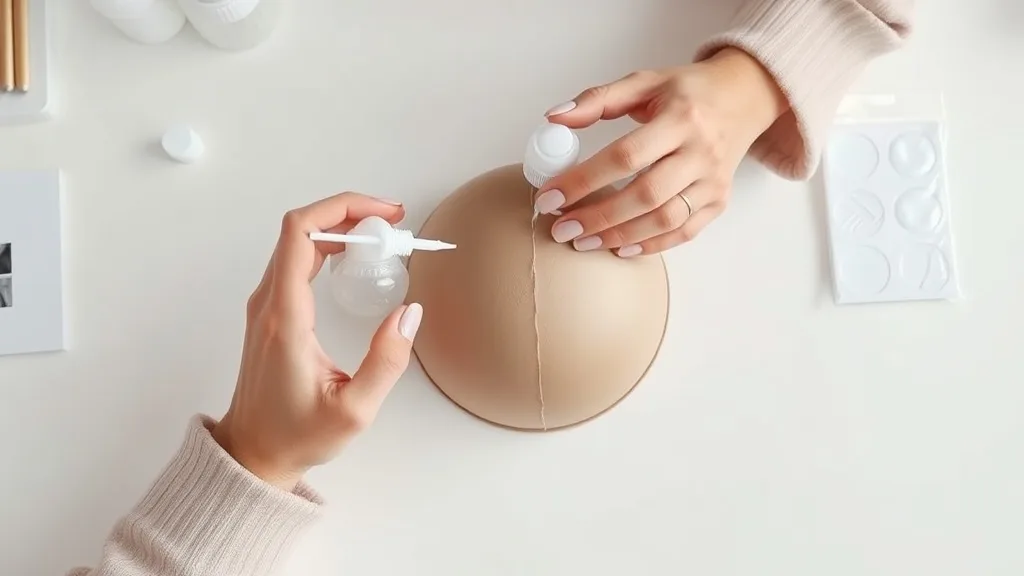
- Use a liquid adhesive with a good reputation (I like Ghost Bond). Apply a thin layer and wait for it to become tacky.
- Press the wig on slowly, starting at the front hairline. Give it 10 minutes to bond.
- Add a second thin layer of adhesive along the hairline and use a scarf to press it down for 20 minutes.
- Finish with a flexible-hold hairspray (not the alcohol-laden kind) for extra security.
Embracing the Real Fix
Quick fixes are tempting, but they’re a myth. Real security takes time and the right products. Your wig, your confidence, and your dog’s playfulness deserve better. So next time you’re tempted by a spray can promising miracle hold, remember Bruno and me: we learned the hard way so you don’t have to.