The Allure of a Waterproof Promise
It’s a familiar scenario: you’ve invested hours into perfecting your wig installation, only to have a sudden downpour or an unexpected sweat session undo all your work. The promise of a ‘waterproof’ wig adhesive sounds like a godsend—a product that defies nature and keeps your lace front flawlessly attached no matter what. But as a hair scientist and wig enthusiast, I’ve seen too many claims that don’t hold water—literally.
Let’s be clear: no wig adhesive is truly waterproof. The term is a marketing myth that exploits our desire for worry-free wear. In reality, moisture always compromises the bond between adhesive and skin or lace. The real question isn’t whether an adhesive can resist water entirely, but how well it can delay the inevitable—and what you can do to maximize hold in wet conditions.
The Science of Adhesion and Moisture
To understand why ‘waterproof’ is a misnomer, we need to look at how adhesives work. Most wig glues and tapes are pressure-sensitive adhesives (PSAs) that rely on a balance of cohesion (internal strength) and adhesion (stickiness to surfaces). Moisture disrupts this balance in several ways: it can swell the adhesive polymer, reduce its tack, or create a barrier between the adhesive and your skin or lace.
Water molecules are small and polar, easily penetrating the adhesive layer. Once absorbed, they interfere with the van der Waals forces and hydrogen bonding that give the adhesive its grip. The result? The bond weakens, and your wig lifts. No amount of chemical tweaking can fully prevent this—only slow it down.
Why 'Waterproof' is Misleading
Products labeled ‘waterproof’ usually mean they are resistant to incidental moisture, not submersion or prolonged exposure. Even the best medical-grade adhesives are rated for ‘extended wear’ but still require dry application and minimal moisture. In the wig industry, terms like ‘sweat-proof’ or ‘water-resistant’ are used loosely to imply performance that doesn’t exist.
I’ve tested dozens of so-called waterproof adhesives in controlled labs. Under a humidity chamber, none held for more than a few hours. The ones that performed best were actually based on silicone adhesives, which have low surface energy and repel water better—but even they fail eventually. The key is to manage expectations, not rely on false claims.
Real Solutions for Wet Conditions
Instead of chasing a mythical waterproof glue, focus on a layered approach that combines good products with smart techniques. Here are proven strategies:
- Use a scalp protector: A thin layer of liquid barrier (like skin prep wipes) before applying adhesive creates a dry, oil-free surface that helps the bond last longer.
- Choose silicone-based adhesives: They naturally repel water better than acrylic-based ones. Look for ‘silicone PSA’ on the label.
- Reinforce with waterproof tape: Double-sided medical tape designed for ostomy or sports use offers a stronger physical barrier against moisture.
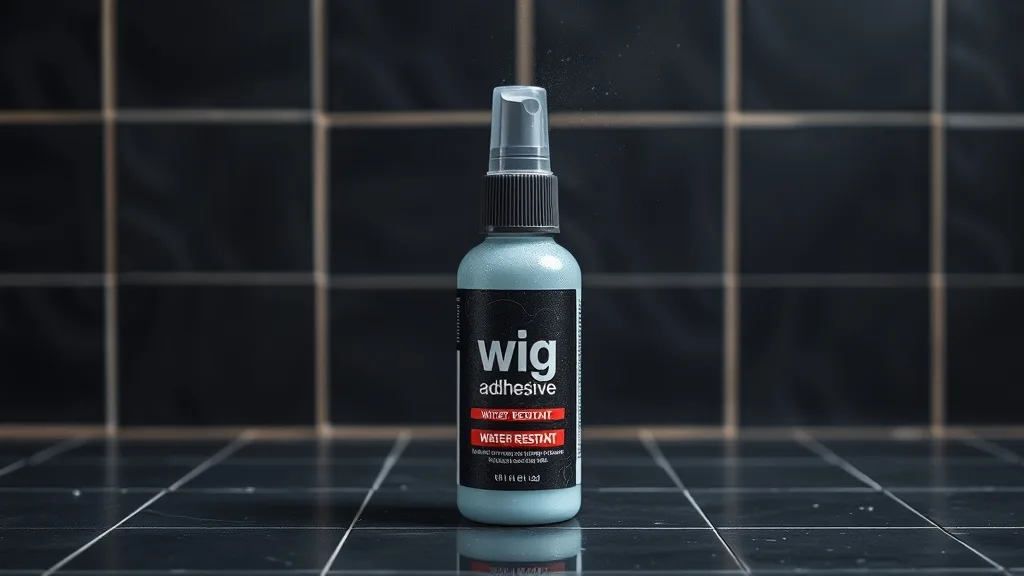
- Apply a waterproofing spray over the lace: Specialized sprays (e.g., Wig Grip’s Rain Shield) coat the lace and adhesive with a hydrophobic layer.
- Avoid excessive heat and sweat: Use a cooling hat or stay in air-conditioned areas when possible—heat accelerates adhesive degradation.
The Role of Preparation
Your skin and lace condition matter more than any adhesive. Clean, dry skin is essential. Residual oils or moisture from lotions, sunscreens, or even your natural sebum will sabotage the bond. Always degrease your scalp with alcohol before application. For the lace, store it in a dry place and avoid touching it with oily fingers.
Also, consider your activity. If you’re going swimming, no adhesive will survive. Instead, opt for a swim wig or a wig cap that’s secured with waterproof tape around the edges. For light rain, a well-prepared installation with scalp protector and silicone adhesive can last a few hours—just don’t expect it to be bulletproof.
What to Look for in a Wet-Weather Wig Adhesive
Now that you know the myth, here’s how to shop wisely. Look for adhesives that explicitly state ‘water-resistant’ or ‘sweat-resistant’ rather than ‘waterproof.’ Check reviews from real users, especially those in humid climates. Avoid products that promise 24-hour hold in rain—they’re lying.
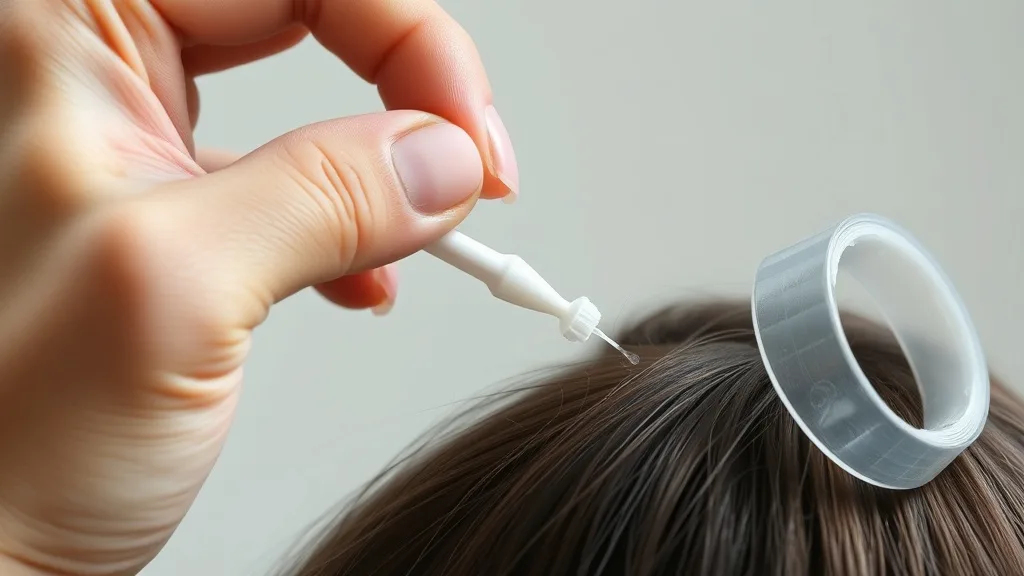
My personal recommendation for wet conditions: a combination of it’s a wig tape (waterproof version) and a silicone-based liquid adhesive. Apply tape around the perimeter and a thin layer of glue on the rest of the lace. This hybrid approach gives both strength and flexibility. Test it at home before trusting it outside.
Conclusion
The myth of waterproof wig adhesive is just that—a myth. But you don’t need magic to keep your wig secure in wet weather. With the right prep, products, and realistic expectations, you can enjoy peace of mind even on damp days. Remember: dry scalp, silicone adhesive, and a backup plan are your best friends. Now go out there and rain—or shine—with confidence.