Why Proper Storage Matters
Every wig wearer knows the panic of a failing adhesive. You're out, the wind picks up, or you're just trying to get through a long day—and your wig starts to lift. Often, the culprit isn't the adhesive itself but how you've been storing it. I've been in the wig business long enough to know that the difference between a perfect hold and a disaster often comes down to a few simple storage habits.
Temperature: The Goldilocks Rule
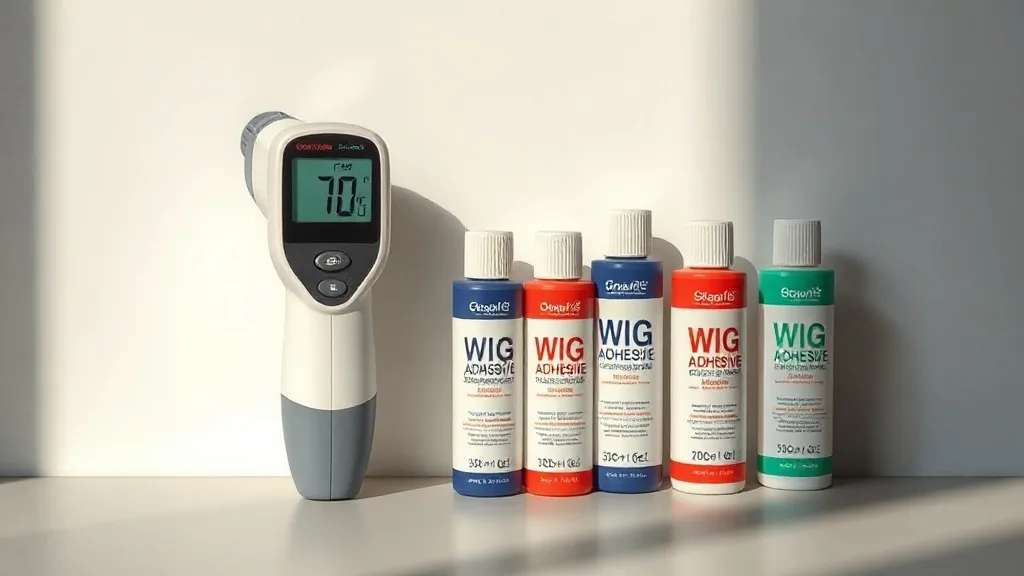
Most wig adhesives—whether tape, liquid, or glue—are chemical formulations sensitive to extreme temperatures. Store them in a cool, dry place away from direct sunlight. Ideal temperature range is between 60-80°F (15-27°C). Avoid leaving adhesives in a hot car or near radiators, as heat can break down the bonding agents. Conversely, freezing can cause separation or crystallization. If you live in a climate with temperature swings, consider a dedicated drawer or a small insulated container.
Humidity: Enemy of Adhesion
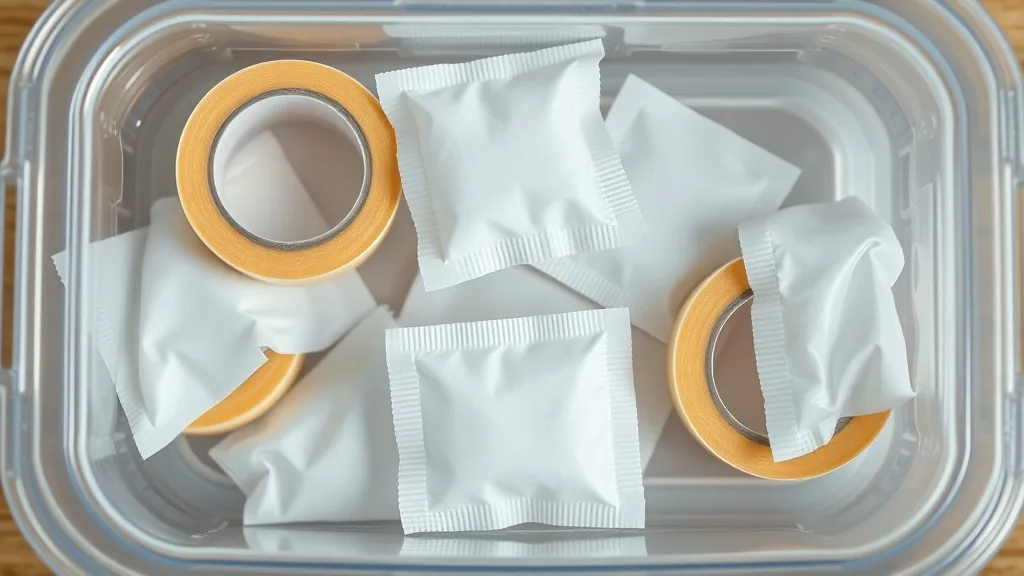
Moisture is the arch-nemesis of adhesives. High humidity can cause tapes to become tacky prematurely or cause liquid adhesives to cure in the bottle. Always store adhesives in a humidity-controlled environment. If your bathroom gets steamy, keep them elsewhere. A silica gel pack in your storage box can help absorb excess moisture. Trust me, a little silica goes a long way.
Sealing and Original Packaging
Once you open a tube of adhesive or a pack of tape, you expose it to air. Air can cause oxidation and drying. Always reseal containers tightly immediately after use. For tubes, wipe the nozzle clean before capping. For tape sheets, keep them in their original resealable bag or transfer to an airtight container. Label your containers with the date of first use—that way you know when it expires.
Shelf Life and Rotation
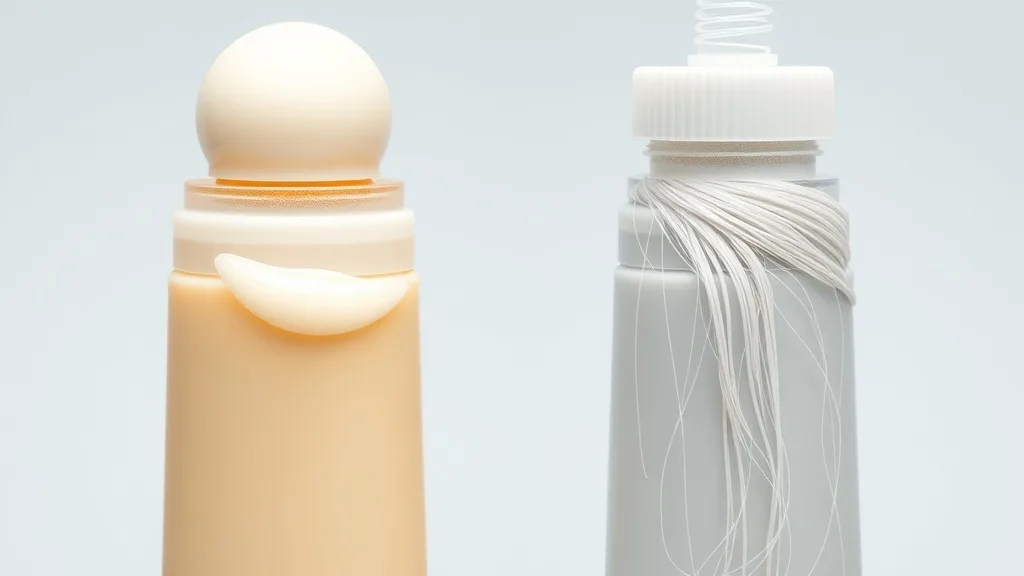
Believe it or not, adhesives do expire. Most have a shelf life of 1-2 years unopened, and 6-12 months after opening. I recommend rotating your stock: use older adhesives first. Write the purchase date on the bottle or box. If you notice the adhesive becomes thick, stringy, or has a weird smell, toss it—it won't hold properly. Saving a few dollars on expired adhesive isn't worth the embarrassment of a wig slip.
Storage Mistakes to Avoid
- Don't store adhesives upside down—liquid can cause blockages in the nozzle.
- Never store near solvents or strong chemicals (like acetone, hairspray, etc.)—they can react.
- Avoid leaving tapes in direct sunlight; UV light degrades the adhesive.
- Don't refrigerate unless the manufacturer specifically says so; condensation can ruin the product.
My Personal Storage System
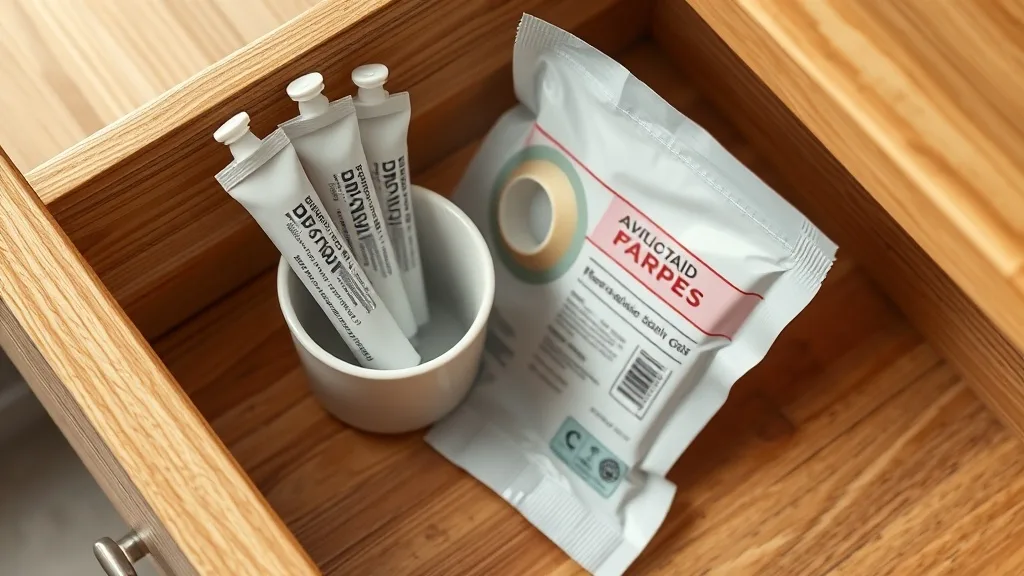
I keep my adhesives in a dedicated tool bag in my closet—cool, dark, and consistent. I have a small compartment for tubes upright in a cup, a sealed pouch for tapes, and a few silica packs. I also keep a master list with expiration dates. It sounds meticulous, but when you're doing a client's install, you can't afford a sticky situation.
Final Thoughts
Proper storage is the secret handshake of the wig world. Follow these tips, and your adhesives will perform reliably every time. And remember: the best adhesive in the world is only as good as its storage. Take care of your tools, and they'll take care of your wig.