

Why Clean Your Wig Brushes?
Every wig owner knows the importance of a clean wig, but few realize the brush is the unsung hero—or villain—of the routine. Just as a theater costume must be prepped backstage before every show, your wig brush demands regular maintenance to keep your wigs looking their best. Over time, brushes accumulate natural oils, styling products, dust, and even bacteria. This buildup not only diminishes the brush’s effectiveness but can transfer grime back onto your wig, causing premature tangling, matting, and even odor.
In my years as a costume designer, I’ve seen brushes that could double as archaeological artifacts. A clean brush is the first step to a long-lasting, beautiful wig. Let’s break down the process with the precision of a backstage tech.
Step 1: Remove Loose Hair
Before any wet cleaning, you must remove the obvious debris. Using a fine-tooth comb or your fingers, gently pull away all the hair tangled in the bristles. For stubborn strands, the tail of the comb works wonders. This step alone can make your brush look 80% cleaner.
Pro tip: Do this over a trash can or designate a cleaning area to avoid stray hairs floating around. In a theater, we call this “stage prep”—making sure nothing distracts from the performance.
Step 2: Prepare a Gentle Soak
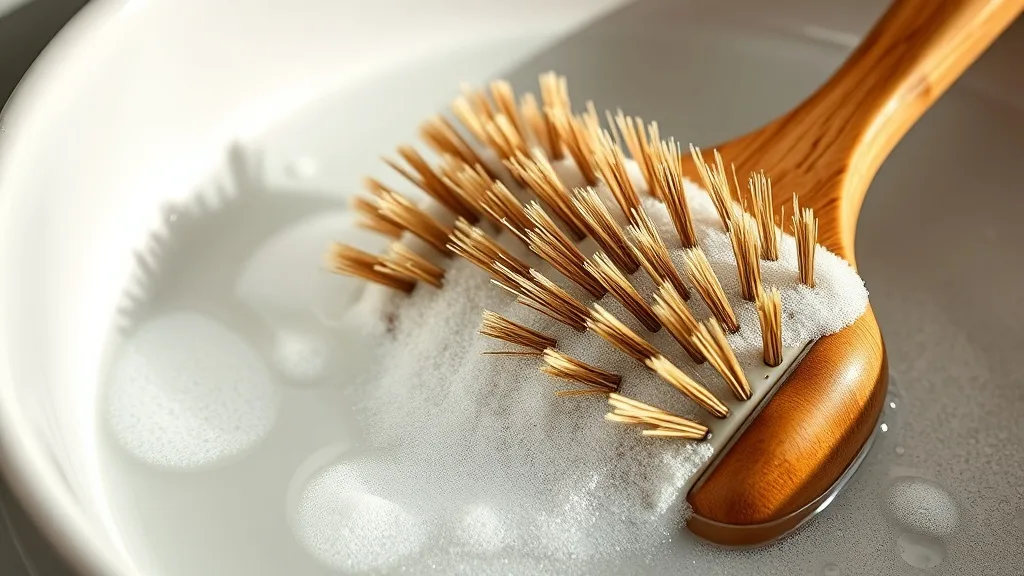
Fill a basin with lukewarm water (hot water can damage bristles) and add a few drops of mild shampoo—preferably sulfate-free. Avoid harsh detergents or alcohol-based cleaners. Swish the water to create suds. Place the brush head-down, ensuring the water covers the bristles but not the handle (especially if it’s wooden or has a cushion). Soak for 15–30 minutes.
For brushes with synthetic bristles, you can let them soak longer; for natural boar bristles, keep it short to preserve their softness.
Step 3: Gently Scrub
After soaking, use an old toothbrush or a small cleaning brush to work the suds through the bristles. Focus on the base where oils and product build up most. Use circular motions and be gentle—aggressive scrubbing can bend or break bristles. For extra stubborn buildup, a tiny bit of baking soda dissolved in water can help, but rinse thoroughly afterward.
Think of this as the theater tech’s “detail pass” where every screw and cable is checked.
Step 4: Rinse and Dry
Rinse the brush under lukewarm running water until all shampoo is gone. Shake off excess water gently. Then, place the brush bristle-side down on a clean towel to air dry. Never use a blow dryer—heat can warp the bristles or loosen the cushion. Allow it to dry completely (12–24 hours) before using it again.
For padded brushes, press the towel against the bristles to absorb water from the base.
Special Care for Different Brush Types
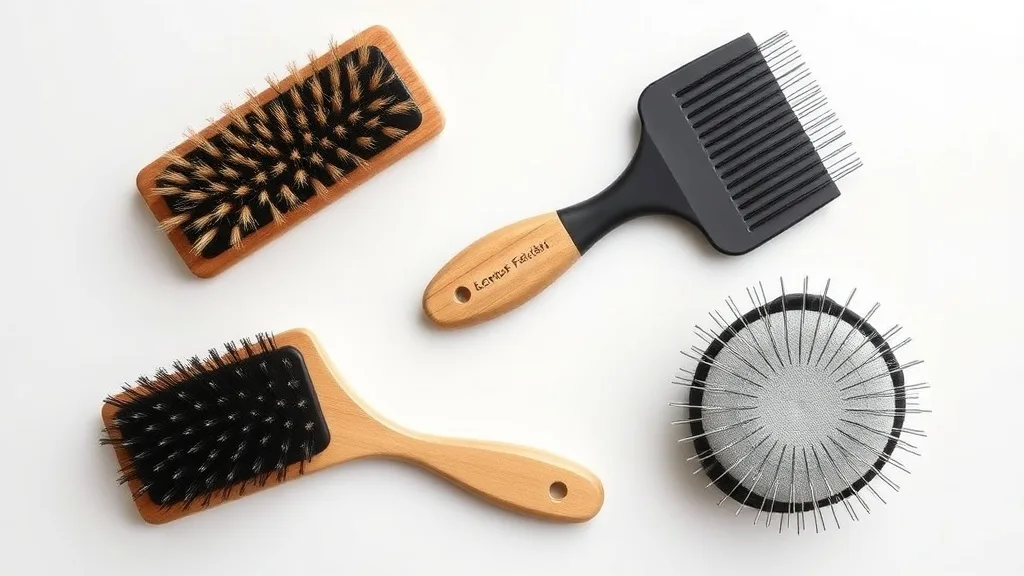
Not all brushes are created equal. Here’s how to tailor your cleaning to the materials:
- Boar bristle brushes: These natural bristles are delicate. Avoid soaking for too long. After removing hair, dip the bristles in a mix of water and conditioner (yes, conditioner!) for 5 minutes, then wipe clean with a cloth. Conditioner restores the natural oils that keep them flexible.
- Nylon or synthetic bristle brushes: These are more durable. They can handle the full soak and scrub routine. Just avoid boiling water.
- Wire pin brushes: The pins are usually coated; check for rust. If the coating is chipped, replace the brush. Clean by dipping only the pin area in alcohol briefly (to disinfect) then wipe. Do not soak the whole brush.
- Cushion brushes: The cushion can trap water. After cleaning, squeeze the cushion gently to expel moisture. Rotate drying position halfway through.
How Often Should You Clean?
If you wear a wig daily, clean your brush every week. For occasional use, bi-weekly is fine. Signs you’ve waited too long: visible product buildup, oily residue on the bristles, or a musty smell. In the theater, we clean brushes after every show—that’s daily during a run. Your wig deserves the same commitment.
Storage Tips for a Clean Brush
Keep your brush clean between uses by storing it properly. Avoid leaving it lying on a sink or countertop where dust and bacteria can settle. Use a brush guard or wrap it loosely in a microfiber cloth. Never store a wet brush in a closed drawer—mold loves that environment. I recommend keeping your brush in a dedicated pouch or standing upright in a cup with bristles up.
Remember: a brush that’s clean and well-cared for will treat your wigs with the respect they deserve.
Conclusion: The Backstage Secret to Wig Longevity
Cleaning your wig brush might seem like a small chore, but it’s one of the most impactful steps you can take to extend the life of your wigs. It prevents tangles, reduces frizz, and keeps your wig smelling fresh. Whether you’re preparing for a stage performance or just your daily look, treat your tools with the same attention you give your hair. As we say backstage: “The show goes on, but only if the gear is ready.”
Now, go ahead and give your brush a spa day. Your wigs will thank you.