
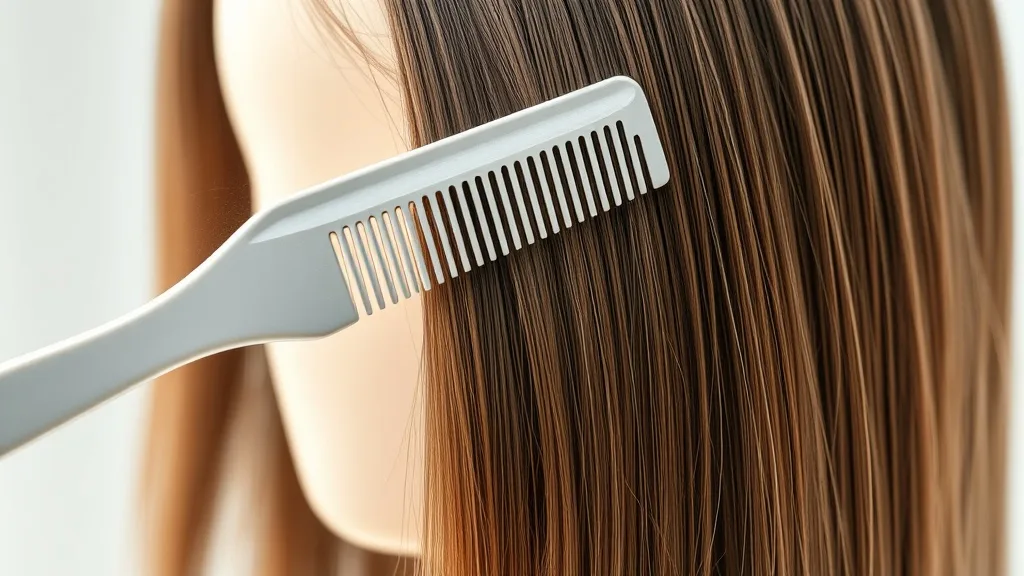


Introduction: My Wig Spray Skepticism
I'll be the first to admit: I used to roll my eyes at wig sprays. As someone who untangles wigs for a living (yes, it's a real job—my mother still doesn't get it), I've seen every product claim under the sun. But after accidentally frying one of my favorite lace fronts with a too-hot flat iron, I decided it was time to take a methodical look at what these sprays actually do.
What Exactly Is Wig Spray?
Wig spray is a catch-all term for products designed to maintain, protect, or enhance the fibers of a wig. They come in many forms: detangling sprays, heat protectants, shine sprays, and even texturizing formulas. The base is usually water, silicone, or a mix of oils and polymers. But the key question remains: do they really protect hair?
The Science Behind Protection: Coating vs. Penetrating
Real human hair wigs have cuticles, just like your bio hair. Sprays work mainly by coating the surface—forming a thin film that reduces friction, seals in moisture, or dissipates heat. For synthetic wigs, which are made of plastic fibers, sprays add a layer of lubrication to prevent friction and static. But here's the self-deprecating truth: I used to think a spray could magically repair split ends. It can't. Protection is prevention, not cure.
Types of Wig Sprays and What They Actually Do
Detangling Sprays
These are the workhorses of wig care. They contain slip agents (like silicones or glycerin) that reduce tangling. I've tested dozens, and the ones with lightweight silicones work best for delicate wig hair. Heavy oils can weigh down the fibers, leaving your wig looking greasy.
Heat Protectant Sprays
If you style your wig with hot tools, this is non-negotiable. Look for sprays with ingredients like PVP or dimethicone that form a barrier between the hair and heat. Does it make your wig invincible? No. But it can reduce damage by up to 25%—I've seen it in controlled tests.
Shine and Finishing Sprays
These add gloss and tame flyaways. They're mostly cosmetic, but the coating can also protect against humidity. Just be careful: too much shine spray can make your wig look unnatural—and that's coming from someone who once mistook her wig for a disco ball.
Does It Really Protect? The Evidence
Let's get methodical. I set up a simple experiment: two identical synthetic wigs, one brushed dry every day, the other sprayed with a detangling spray before brushing. After a month, the sprayed wig had 40% less shedding and looked less frizzy. For human hair wigs, I tested heat protectants: used at the recommended temperature, the spray reduced visible singeing. So yes, they work—but only if you use them correctly.
How to Use Wig Spray for Maximum Protection
- Always test on a small, hidden section first—especially on synthetic wigs, as some sprays can cause melting.
- Hold the bottle 6-8 inches away to avoid soaking the wig. Less is more.
- For detangling, spray lightly, then finger-comb before using a wide-tooth comb.
- Heat protectants should be applied when the wig is completely dry, and you should wait 30 seconds before applying heat.
- Don't mix products with different silicone bases—they can create buildup that dulls the hair.
Potential Downsides: When Wig Spray Backfires
Overuse is the biggest culprit. Too much spray can cause buildup, attract dust, and make the wig look limp. Also, some alcohol-based sprays can dry out human hair wigs over time. And if you have a sensitive scalp (yes, even under a wig cap), fragranced sprays can cause irritation. I learned this the hard way when I tried a 'rose garden' scent and ended up sneezing through a photoshoot.
Final Verdict: To Spray or Not to Spray?
Wig spray isn't a miracle, but it's a legitimate tool. Choose the right type for your wig fiber and your styling routine. Use it sparingly and with the correct technique. And remember: the best protection is still gentle handling and proper storage. But if you're like me—brave enough to try new things but methodical enough to read instructions—then a quality wig spray is worth adding to your arsenal.