
As a wig designer who specializes in miniature wigs for wedding dolls, I've spent countless hours perfecting the art of tiny hairpieces. You might think that at 1:12 scale, haircare wouldn't matter—but oh, it does. The principles of proper cleansing apply regardless of size. So when customers ask me, 'Does wig shampoo really make a difference?' I can answer with a firm yes, backed by years of working with both full-size and miniature wigs.
The Unique Chemistry of Wig Hair
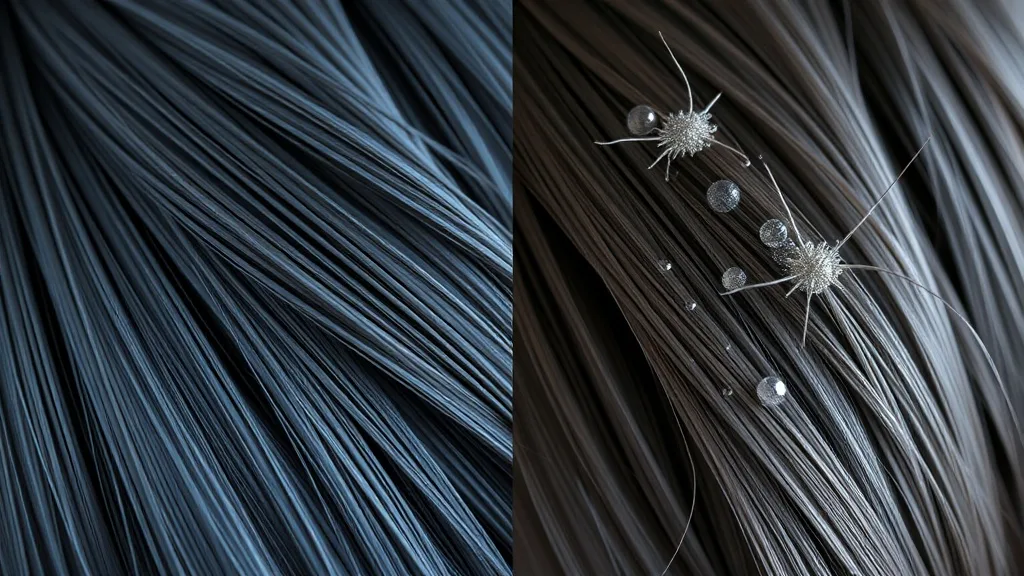
Wigs are made from either human hair or synthetic fibers, and each type reacts differently to cleansers. Human hair wigs have a cuticle layer that can be stripped by harsh sulfates found in regular shampoos. Synthetic wigs, on the other hand, are plastic-based and require gentle, non-stripping formulas to prevent frizzing and matting. Wig shampoos are pH-balanced and free from ingredients like parabens and sulfates. They're designed to clean without damaging the delicate construction of the wig's base or the fibers themselves.
- Sulfates strip natural oils and damage cuticles on human hair wigs.
- Regular conditioners can leave residue that weighs down synthetic fibers.
- Wig shampoos often include UV protectants and anti-static agents.
Lessons from Tiny Wigs: Why Shampoo Choice Is Critical
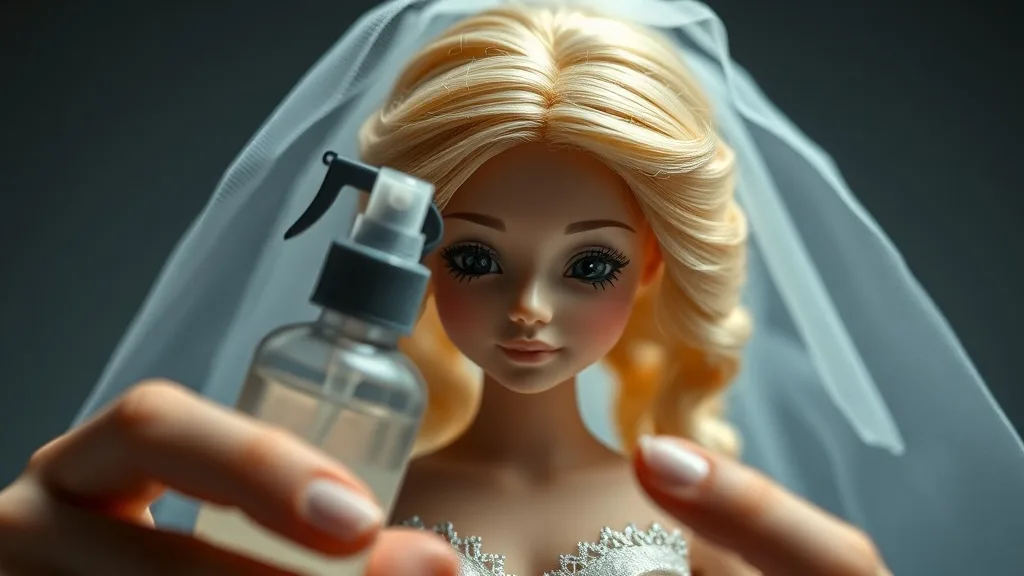
When I make a miniature wig for a bridal cake topper, I use the same materials as full-size wigs but at a fraction of the scale. A single drop of improper shampoo can ruin the entire piece. I learned this the hard way when I used a regular baby shampoo on a tiny synthetic wig—the fibers turned stiff and lost their curl. Wig shampoo, with its gentle surfactants, preserved the texture. If it matters at that scale, imagine how much it matters for a wig you wear daily.
What Happens When You Use Regular Shampoo?
Regular shampoos contain strong detergents that strip away not just dirt but also the protective coatings on wig fibers. Over time, this leads to dryness, tangling, and a shorter lifespan. Human hair wigs lose their luster and become frizzy. Synthetics become dull and unruly. The wig's cap construction can also degrade if the shampoo is too harsh. In contrast, wig shampoos are formulated to gently lift oils and product buildup while maintaining the integrity of the hair.
How to Choose the Right Wig Shampoo
Not all wig shampoos are created equal. Look for products specifically labeled for your wig type: human hair or synthetic. Some brands offer dual-use formulas, but check the label. Ingredients to look for include argan oil, aloe vera, and keratin (for human hair). For synthetics, avoid any product with alcohol or heavy oils. Also consider your lifestyle: if you swim or exercise, a clarifying wig shampoo can remove chlorine and sweat more effectively.
- Human hair wigs: Look for moisturizing, sulfate-free formulas with natural oils.
- Synthetic wigs: Use gentle, non-detergent cleansers designed for plastic fibers.
- All wigs: Avoid shampoos with brighteners or strong fragrances that can cause buildup.
Proper Washing Technique Amplifies the Difference
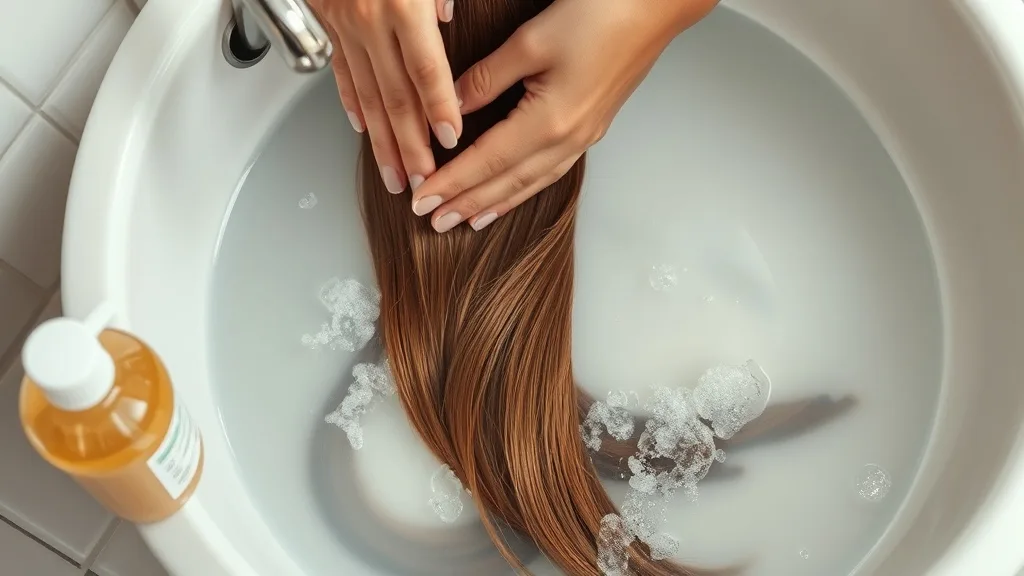
Even the best wig shampoo won't work if you don't wash correctly. Always use cool water (hot water damages fibers), and never scrub or twist the hair. Instead, submerge the wig and gently agitate, then rinse thoroughly. Pat dry with a microfiber towel and let it air dry on a wig stand. My miniature wigs get the same gentle treatment—I use a tiny spray bottle and a soft brush. The process is the same, just smaller.
The Verdict: Yes, Wig Shampoo Makes a Difference
After years of working with wigs of all sizes, I can confidently say that specialized wig shampoo is not a luxury—it's a necessity. It preserves the hair's texture, color, and longevity. For human hair wigs, it maintains the natural cuticle; for synthetics, it prevents frizz and retains the fiber's memory. Even my miniature bridal toppers last longer and look better when cleaned with proper products. So invest in a good wig shampoo. Your wig (and your doll) will thank you.