
The Short Answer (No Fluff)
If you want the longest possible hold, lace glue wins — usually. A good lace glue applied to clean, dry, oil-free skin can hold a lace front for 1 to 4 weeks. Wig tape typically gives you 1 to 7 days, with some extended-wear tapes stretching to 10–14 days in ideal conditions. But "usually" is doing a lot of work in that sentence. If you have oily skin, sweat heavily, live in a humid climate, or work out daily, glue can fail in 3 days and tape might tap out in 24 hours. The adhesive isn't the only variable. Your body is.
I've sold wigs for years, and I've watched people waste hundreds of dollars on "long-lasting" glue that lifted by Wednesday. I've also seen tape hold for two weeks on someone who barely sweats. So let's stop pretending there's one universal answer. There isn't. There's only the right answer for your scalp, your lifestyle, and your tolerance for cleanup.
How Lace Glue Actually Works
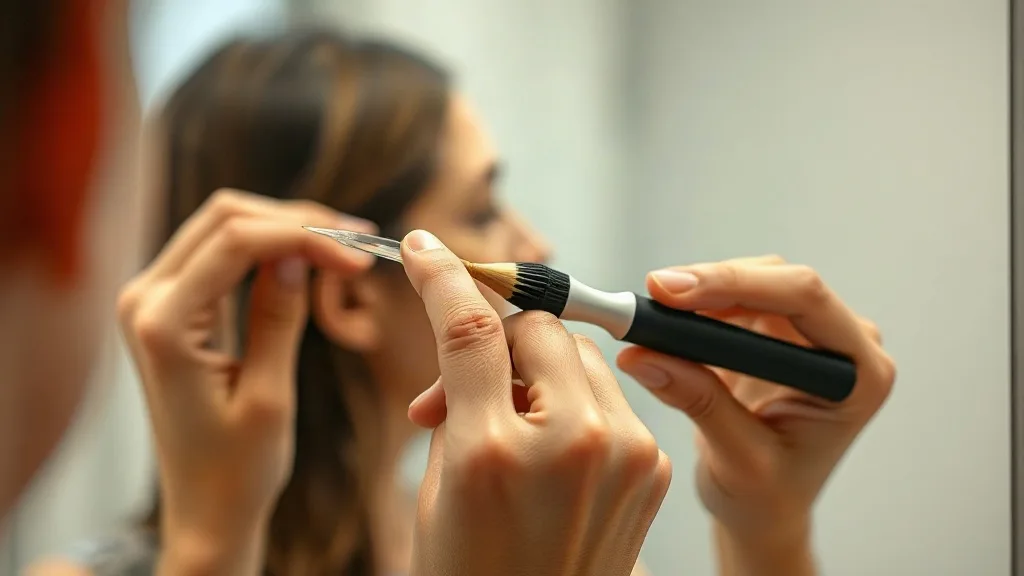
Lace glue is a liquid or gel adhesive that you apply to your scalp along the hairline. It dries to a tacky, flexible bond that grips the lace mesh. Most lace glues are acrylic-based, though there are silicone and hybrid options. The bond is strong, water-resistant to varying degrees, and — when applied correctly — nearly invisible under lace.
The catch: glue bonds to your skin. That means it's affected by everything your skin does. Oil production, sweat, dead skin cells, and natural movement all work against it. A glue that holds for three weeks on dry skin might hold for three days on an oily T-zone. And the stronger the glue, the more damage it can do if you remove it like a caveman.
How Wig Tape Actually Works
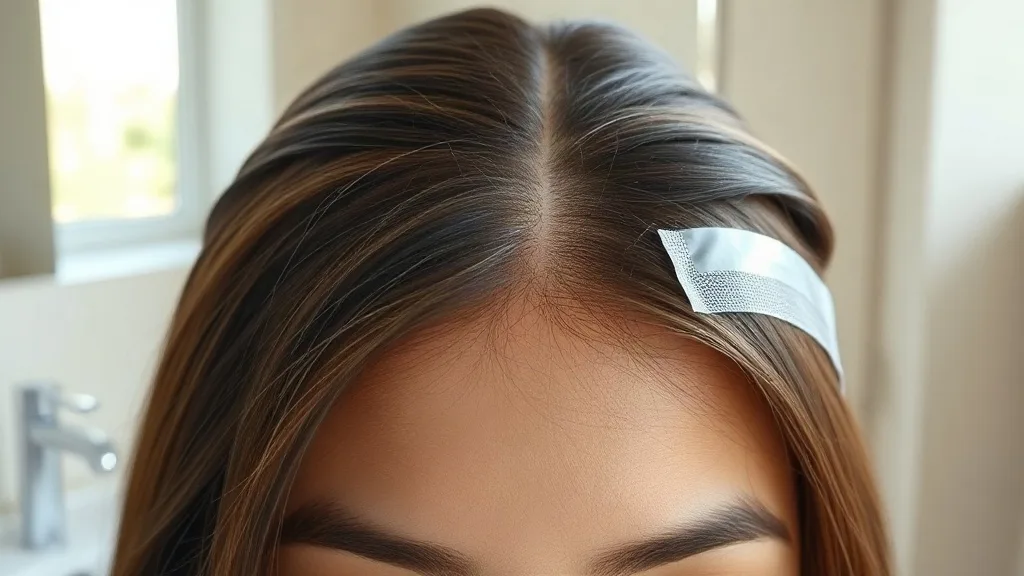
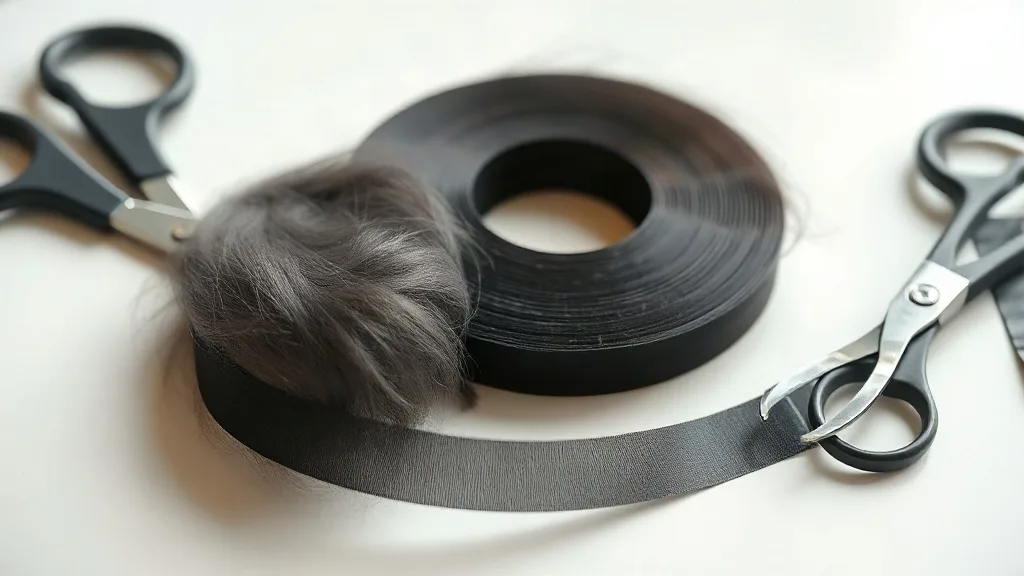
Wig tape is a double-sided adhesive strip. You stick one side to the lace or the wig cap, peel the backing, and press it onto your skin. Most tapes are made of acrylic or silicone adhesives on a polyethylene or cloth carrier. They're thinner than glue, easier to apply, and require zero drying time.
Tape's hold is more mechanical. It sticks to your skin, but it doesn't soak in or cure the same way. That makes it more forgiving for beginners and much faster to remove. The trade-off is that tape tends to lift at the edges sooner, especially if you sweat or produce oil. It also doesn't handle moisture as well as a good glue — though waterproof tapes exist and they're worth the extra few bucks.
The Real-World Hold Times
Let's get specific. These are honest ranges based on normal use, not marketing claims.
- Lace glue, dry skin, indoor lifestyle: 2–4 weeks.
- Lace glue, oily skin or daily workouts: 3–10 days.
- Lace glue, humid climate without scalp protector: 2–7 days.
- Wig tape, dry skin, light activity: 5–10 days.
- Wig tape, oily skin or heavy sweating: 1–3 days.
- Wig tape, extended-wear formula, ideal conditions: up to 14 days.
- Wig tape, daily removal: one use per application.
Notice how wide those ranges are? That's the point. Anyone who tells you "this glue lasts a month" is either lying or has never met an oily scalp. The only way to know your real number is to test it — and to be honest with yourself about how much you sweat.
What Actually Determines How Long It Lasts
The adhesive is only half the equation. Here's what really decides whether you get three days or three weeks.
- Scalp oil: Oil breaks down adhesive. If your skin is oily, no glue on earth will hold as long as the label promises.
- Sweat and humidity: Moisture is the enemy. Sweat lifts edges, and humid air keeps the adhesive from curing properly.
- Skin prep: Clean skin with alcohol, then a scalp protector. Skip this and you're wasting your money.
- Application technique: Too thin, too thick, or applied to dirty lace — all cause premature lifting.
- Hair growth: Your hair grows. Even 2 millimeters of new growth can push the lace up and break the bond.
- Adhesive quality: Cheap glue behaves like cheap glue. Same with tape.
- Climate and activity: A desk job in Arizona is not the same as lifeguarding in Florida.
Lace Glue: Pros and Cons
Glue is the heavyweight champion for hold time, but it comes with baggage.
- Pros: Longest potential hold (up to 4 weeks). Invisible under lace. Strong bond for active wear. Can be touched up with more glue.
- Cons: Messy application. Needs 24 hours to cure before sweating. Harder to remove. Higher risk of skin irritation. Requires more skill and patience. Removal can damage hairline if done wrong.
If you're a beginner, glue will humble you. I've seen people glue their fingers together, glue the lace to their forehead, and glue the wig to their eyebrows. It's not rocket science, but it's not a sticker either.
Wig Tape: Pros and Cons
Tape is the practical choice for most people most of the time. It's not as strong, but it's predictable.
- Pros: Fast application. No drying time. Easier removal. Less mess. Great for daily wear or weekends. Beginner-friendly. Can be cut to shape.
- Cons: Shorter hold. Edges lift sooner. Not as invisible on very fine lace. Can leave residue. Less reliable in extreme sweat or humidity.
Tape is also safer for your scalp if you're prone to reactions. You can remove it with an adhesive remover in minutes, and you don't have to scrub your hairline raw. That matters more than a few extra days of hold.
Head-to-Head: Which Lasts Longer?
If we're strictly talking duration, lace glue lasts longer in most cases. A properly applied glue bond can outlast tape by a factor of two or three. But that's only true when your skin cooperates. If you have oily skin, tape and glue might both fail quickly — but tape will fail faster. If you have dry skin and you're not sweating, glue is the clear winner.
Here's a simple rule: glue is for extended wear, tape is for short-term wear. If you want to install a wig and forget about it for two weeks, use glue. If you want to install it for a night out or a weekend, use tape. If you want to switch between wigs every few days, tape is your friend.
When Glue Wins
Glue wins when you need a secure, long-lasting hold and you're willing to do the prep and removal work. It's the best choice for:
- Vacations where you won't have time to reapply.
- Swimming or heavy workouts (with a waterproof glue and scalp protector).
- Special events where you need a flawless hairline for 12+ hours.
- People with dry skin who don't produce much oil.
- Anyone willing to learn proper application and removal.
When Tape Wins
Tape wins when you value speed, comfort, and scalp health over maximum hold time. It's the best choice for:
- Daily wear or frequent wig changes.
- Beginners who are still learning.
- Oily or sensitive skin.
- Hot, humid climates where glue breaks down fast anyway.
- Anyone who wants to remove their wig without a chemistry set.
The Brutal Truth About "Longest Lasting"
The longest-lasting adhesive is not automatically the best one. I've seen too many people leave glue on for three weeks because they were proud of the hold, only to end up with an irritated, broken-out hairline that took months to heal. That's not a win. That's a bill you pay later.
Your hairline is skin. It needs to breathe. It needs to be cleaned. It needs a break between installs. If you're wearing a lace front 24/7 for weeks on end, you're asking for traction alopecia, folliculitis, and a whole lot of regret. The goal isn't to leave adhesive on forever. The goal is to look good and keep your hair.
How to Make Either Last Longer (Without Screwing Your Scalp)
You can stretch your hold time with better habits. No magic products required.
- Cleanse your scalp with 91% isopropyl alcohol before application. Let it dry completely.
- Use a scalp protector. It creates a barrier between adhesive and skin, and it helps the bond last longer.
- Apply adhesive in thin, even layers. Thick globs don't hold better — they just take longer to dry.
- Wait 24 hours before sweating or washing. Let the bond cure.
- Press and hold for 30–60 seconds after applying the wig. Heat and pressure activate the adhesive.
- Avoid touching the hairline. Your fingers have oils.
- Use a silk pillowcase. It reduces friction and keeps edges from lifting.
- Touch up edges with a little extra glue or a tape strip instead of reinstalling the whole wig.
- Remove with a proper adhesive remover, not acetone or brute force.
Removal and Aftercare
This is where most people ruin their hairline. Glue removal should be slow and patient. Soak the area with adhesive remover, let it sit, and gently work the lace up. Don't yank. Don't pick. Don't use alcohol to scrub the glue off your skin — it dries you out and causes micro-tears.
Tape removal is easier, but you still need to be careful. Peel slowly, use remover for stubborn residue, and wash your scalp with a gentle cleanser afterward. Follow with a moisturizer or scalp oil to replenish your skin. Give your hairline at least 24 hours of rest between installs. If you see redness, bumps, or scabs, stop wearing adhesive until it heals. No wig is worth an infection.
Final Verdict
If you want the longest hold, lace glue is the answer — but only if your skin is dry, you prep properly, and you're willing to maintain it. For most people, wig tape is the smarter everyday choice. It lasts long enough, it's easier on your scalp, and it lets you change your look without a two-hour removal process.
My honest advice: start with tape. Learn how your skin reacts. If you need more hold, graduate to glue. But don't chase the longest-lasting adhesive like it's a trophy. Chase a comfortable, secure fit that doesn't wreck your hairline. That's the only metric that actually matters.
And if someone tells you their glue lasts a month with no touch-ups, ask them if they sweat. The answer will tell you everything.