
Let's be real: I've glued wigs onto actors who sweat through three layers of costume under 110-degree stage lights. I've also watched a performer's skin rebel against an adhesive that worked perfectly for everyone else. Sensitive skin isn't a weakness—it's a signal. And when you're wearing a lace front or a full lace wig, the last thing you want is a red, itchy, angry hairline. The good news? You can get a secure, long-lasting hold without sacrificing comfort. You just have to choose the right adhesive and treat your skin like the star of the show.
Why Sensitive Skin Reacts to Wig Adhesives
Wig adhesives are basically temporary skin glues. They're designed to create a bond between your skin and a lace or polyurethane base, and they need to hold up against sweat, oil, and movement. That's a tall order. For sensitive skin, the reaction usually comes from one of three things: irritation (direct damage to the skin barrier), allergic contact dermatitis (an immune response to a specific ingredient), or mechanical irritation (from repeated peeling, rubbing, or trapped moisture).
The scalp and hairline are especially vulnerable. The skin there is thin, has lots of hair follicles, and is often exposed to makeup, remover, and friction. When you add an occlusive adhesive, you create a warm, moist environment where irritants can penetrate more easily. If you have eczema, rosacea, psoriasis, or just naturally reactive skin, that combination can quickly turn into itching, redness, flaking, or small bumps.
- Acrylates and cyanoacrylates: Strong, fast-curing, and common in lace front adhesives. They can cause allergic contact dermatitis in some people.
- Solvents and alcohols: Used in some liquid adhesives and removers. They can sting, dry out the skin, and weaken the barrier.
- Fragrances and dyes: Not necessary for hold, but they can trigger reactions.
- Latex and rosin: Natural rubber latex and rosin (colophony) are common allergens.
- Formaldehyde releasers: Preservatives in some water-based adhesives that can cause irritation.
Know Your Adhesive Families
Not all wig glues are created equal. Here's a breakdown of the main types you'll find, and how they tend to behave on sensitive skin.
- Acrylic-based adhesives: These are the heavy hitters—think firm hold, long wear, and waterproof. They're often used for lace front wigs and can last several days. But they contain acrylates, which are a common allergen. If your skin is sensitive, patch test carefully, and consider a shorter wear time.
- Silicone-based adhesives: Silicone adhesives are gentler and more flexible. They create a strong bond but are easier to remove, and they're less likely to cause irritation for many people. They're a good middle ground for sensitive skin, though some formulas still contain solvents.
- Water-based adhesives: These are typically latex-free, gentle, and easy to clean up. They don't hold as long as acrylics and can break down with sweat, but they're a smart choice for daily wear or for testing how your skin responds.
- Solvent-based adhesives: These can be very strong, but the solvents can be harsh on sensitive skin and may cause stinging or dryness. If you go this route, look for low-solvent or solvent-free alternatives.
- Latex-based adhesives: Latex is a well-known allergen. If you have sensitive skin, it's safest to avoid latex altogether.
- Medical-grade adhesives: These are designed for skin and are often used in prosthetics. They tend to be hypoallergenic and breathable, but 'medical-grade' doesn't automatically mean you won't react—always patch test.
Ingredients to Avoid (and What to Look For)
Reading labels is your best defense. You don't need a chemistry degree—just a list of common troublemakers and a few green flags.
- Acrylates (ethyl acrylate, methyl methacrylate, etc.)—if you know you're allergic.
- Latex or natural rubber.
- Rosin (colophony).
- Fragrance and essential oils.
- Alcohol denat. and other drying alcohols (in high concentrations).
- Formaldehyde and formaldehyde releasers (e.g., DMDM hydantoin).
Look for:
- Silicone-based formulas with minimal ingredients.
- Water-based, latex-free adhesives labeled for sensitive skin.
- Hypoallergenic and non-comedogenic claims (though these aren't regulated, they can be a starting point).
- Adhesives that are easy to remove with a gentle remover—less tugging means less irritation.
The Patch Test: Your Non-Negotiable Step
I don't care how many five-star reviews an adhesive has. If you have sensitive skin, you patch test. Every new product. Every time you buy a new batch. Here's how I do it for actors before a long run:
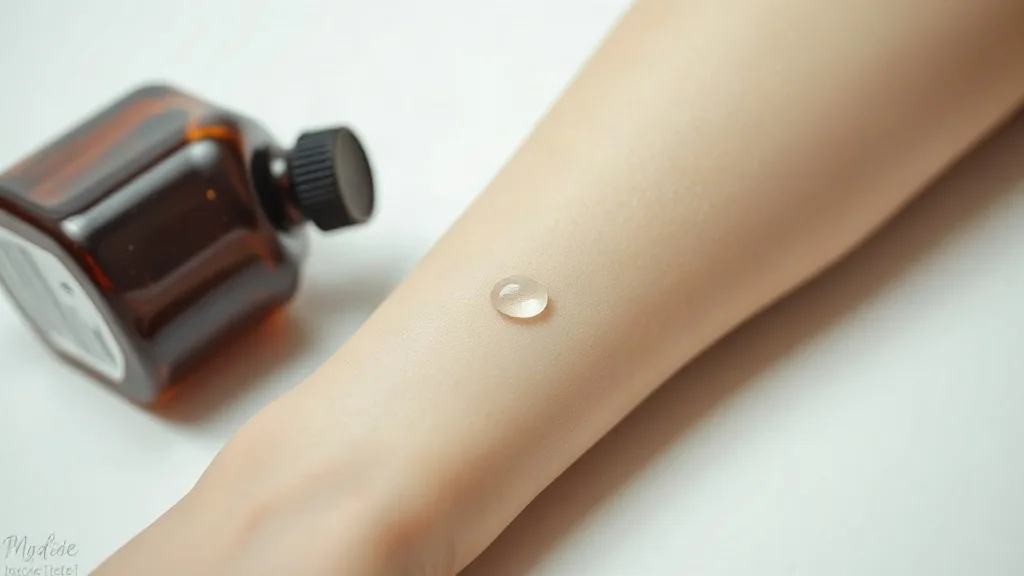
- Clean a small area on your inner forearm or behind your ear with a gentle, fragrance-free cleanser. Pat dry.
- Apply a small drop of adhesive—about the size of a grain of rice—to the skin. Let it dry completely according to the instructions.
- Leave it on for 24 to 48 hours. Don't wash it off early. Keep the area dry.
- Check for redness, itching, swelling, bumps, or blistering. If you see any reaction, remove it immediately with a gentle remover and don't use that product on your scalp.
- If there's no reaction, repeat the test on a small area of your hairline, since scalp skin can behave differently.
A patch test isn't foolproof—sensitization can happen after repeated exposure—but it's the best way to catch a problem before it's on your face.
Skin Prep for Sensitive Scalps
A clean, calm canvas makes a huge difference. For sensitive skin, skip the harsh stuff and keep your routine minimal.
- Cleanse with a gentle, fragrance-free cleanser. Avoid scrubbing or exfoliating the hairline right before application.
- Use a skin protectant or barrier film if your skin is reactive. Some are alcohol-based, so look for alcohol-free versions or patch test first. A thin layer can reduce direct contact with the adhesive.
- Avoid heavy moisturizers or oils right before application—they can weaken the bond and trap irritants.
- If you have active breakouts, eczema flare-ups, or open skin, don't glue. Give your skin a break and use a glueless option.
Application and Removal Without Irritation
Technique matters. A sloppy application can mean more adhesive, more tugging, and more irritation. Here's how I apply adhesive for sensitive-skin clients:
- Apply thin layers. Thin, even coats dry faster and hold better than thick globs. Thick layers trap moisture and take longer to cure.
- Let it get tacky. Wait until the adhesive is clear and slightly tacky before pressing the lace down. If it's still wet, you'll get a mess; if it's too dry, it won't stick.
- Press, don't rub. Use a clean, dry finger or a small roller to press the lace into the adhesive. Rubbing can cause friction and irritation.
- Avoid stretching the lace too tight. A tight lace front can pull on the hairline and cause mechanical irritation. You want a secure hold, not a face-lift.
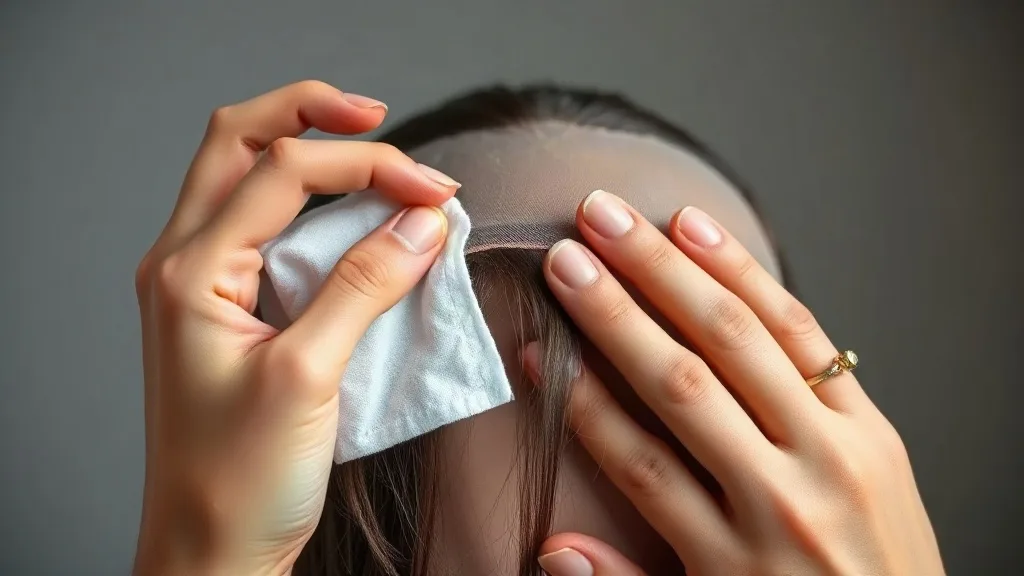
Removal is where a lot of people damage their skin. Never rip. Never pull. Here's the gentle way:
- Saturate a cotton pad or swab with an adhesive remover designed for sensitive skin. Oil-based removers are often gentler, but patch test them too.
- Hold the pad against the edge of the lace for 30 to 60 seconds. Let the remover do the work.
- Gently peel the lace back, adding more remover as needed. Don't force it.
- Once the wig is off, clean the skin with a gentle cleanser and apply a fragrance-free moisturizer or barrier cream.
- Give your skin at least 24 hours of rest between wears if you can. Your skin needs time to recover.
Sweat, Heat, and Sensitive Skin
Sweat is the enemy of long wear, but it's also a common trigger for irritation. When sweat mixes with adhesive, it can break down the bond, create a breeding ground for bacteria, and increase friction. Under stage lights, actors sweat more than most people realize. For sensitive skin, you need an adhesive that can handle moisture without turning your hairline into a rash.
- Choose a waterproof or sweat-resistant adhesive if you need long wear. But remember: the more waterproof it is, the more important a gentle remover becomes.
- Blot sweat before it pools. Use a clean tissue or a small fan to keep the hairline dry during application.
- Consider a medical-grade adhesive that's designed for moist environments.
- If you're performing, build in a touch-up kit: blotting papers, a small amount of adhesive, and a remover wipe.
- After a sweaty wear, cleanse the skin thoroughly and let it breathe.
When to Choose Glueless or Tape Alternatives
If your skin is very reactive, you might not need adhesive at all. Modern wigs offer plenty of secure alternatives:
- Glueless lace wigs with adjustable straps, combs, and elastic bands.
- Silicone-lined caps or grip bands that hold without glue.
- Wig tape tabs (often gentler than liquid adhesive, but still patch test).
- A well-fitted wig with a sturdy cap construction can stay put for daily wear without any adhesive.
For theater, I sometimes use a combination: tape for the sides and a tiny amount of adhesive only where I absolutely need it. That reduces the total skin contact and keeps the actor comfortable through a two-show day.
Building a Sensitive-Skin Wig Kit
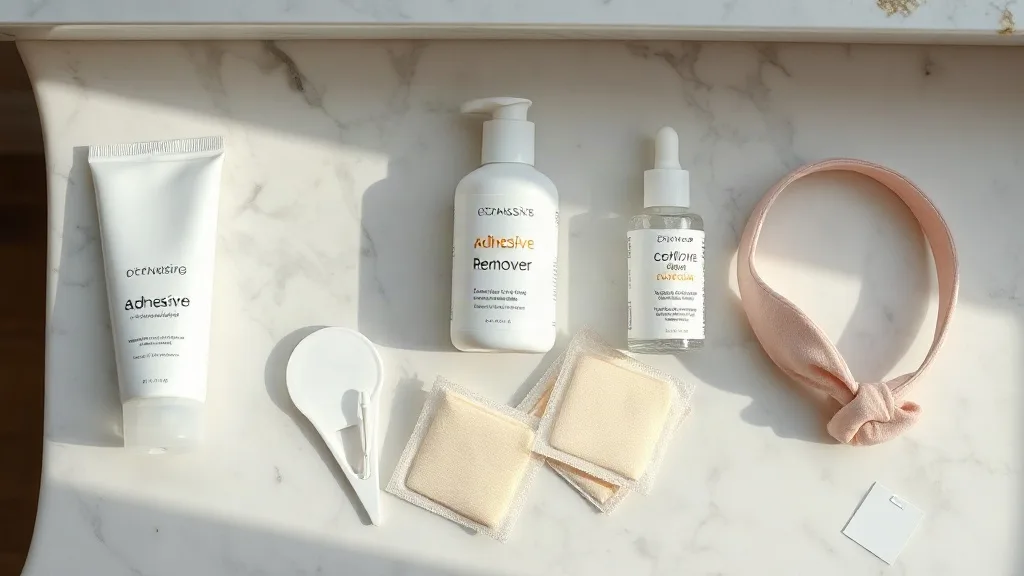
Here's what I keep in my kit for performers with sensitive skin:
- A gentle, fragrance-free cleanser.
- Alcohol-free skin protectant or barrier film.
- A silicone-based or water-based adhesive (patch-tested).
- A gentle adhesive remover (oil-based or sensitive-skin formula).
- Cotton pads, swabs, and a small spray bottle for remover.
- Fragrance-free moisturizer or barrier cream for aftercare.
- Wig tape tabs for low-adhesive days.
- A small notebook to track which products work and which don't.
Final Thoughts
Sensitive skin doesn't have to mean giving up a secure wig. It means being a detective: read labels, patch test, apply thin layers, remove gently, and give your skin rest. As a theater wig stylist, I've learned that the best adhesive isn't the one with the strongest hold—it's the one your skin forgets about. When you find that match, you can wear your wig with confidence, whether you're under stage lights or just living your daily life.
And if you've tried everything and your skin still reacts, see a dermatologist. They can help you identify specific allergens and find a solution that works for you. Your skin is the real star—treat it that way.